




 Click it and Unblock the Notifications


Latest Updates
-
 Lal Hit Janta Party Explained: Who Is Behind The Rival to the Cockroach Janta Party
 -
 Barbara Palvin In Victoria’s Secret Fashion Show Six Weeks After Birth
 -
 Maha Navami Significance: Why The Ninth Day Of Navratri Matters Most
 -
 Festive FOMO Is Changing Dating Habits, Survey Finds Nearly Half Of Singles Are Delaying Matches
 -
 Tiger Shroff Firing Incident: What Happened In Mumbai's Juhu? Latest Updates
 -
 Eat, Celebrate, Repeat: 6 Ayurvedic Tips To Keep Your Digestion Happy This Navratri 2026
 -
 Breast Cancer Awareness Month 2026: Expert Explains The Emotional Toll Of Breast Cancer
 -
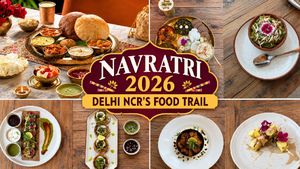 Navratri 2026 Food Hopping In Delhi NCR: 7 Places To Explore For A Taste Of Festive Flavours
 -
 Why Casual Games Are Perfect for Quick Online Play
 -
 World Menopause Day 2026: Theme, Significance And What Research Reveals About Menopause In India


Online Games Can Promote Nutritious Food


According to a new study, researchers say that, Computer games can influence kids' food choices whether toward healthy snacks or unhealthy products. The revelation comes after few researchers from the Georgetown University, Washington, D.C., conducted a study involving 30 low-income, African American children age 9 to 10 years.
The study went simple. The students were divided into two categories. Then one of the groups were made to play a game based on Pac-man. The game rewarded them for having their computer character choose bananas, orange juice and other healthy foods and beverages. Similarly, the second group played a different version of the same game that instead rewarded consumption of soda, candy bars, cookies and bags of potato chips.
These two groups were later instructed to select a snack from among options featured in the game after playing, whereas a third, control group selected a snack and beverage before playing the healthy version of the game. The children reported liking both versions of the game and played for an average of 9 minutes and 32 seconds.
As expected, Children who played the healthy version before selecting a snack were significantly more likely than those playing the unhealthy version to choose a banana and orange juice instead of soda and potato chips. "With only 10 minutes of exposure, our results revealed that children selected and ate whatever snacks were being marketed by the advergame, healthy or not," the authors said.
Hence, the findings suggest that online games could be used to promote nutritious foods.
AGENCIES
Disclaimer: The information provided in this article is for general informational and educational purposes only and is not intended as a substitute for professional medical advice, diagnosis, or treatment. Always seek the advice of your physician or a qualified healthcare provider with any questions you may have regarding a medical condition.

 Continue with Google

