




 Click it and Unblock the Notifications


Latest Updates
-
 Govt Warns Against Overusing Antibiotics And Painkillers: No Prescription, No Pills
 -
 72nd National Film Awards: Yami Gautam's Message For Outsiders, Mammootty And Dhanush Honoured
 -
 Ayurveda Day 2026: An Expert Explains 7 Food Habits Ayurveda Would Ask You To Rethink
 -
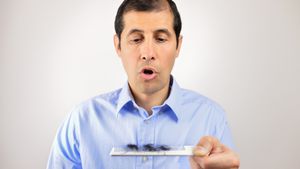 Stop Blaming the Monsoon Entirely for Your Hair Fall, Says This Dermatologist
 -
 Shakira Debuts a New Gaurav Gupta Breastplate, and This Time It's Gold and Banarasi
 -
 Can Hair Oils Prevent Premature Graying or Improve New Hair Growth?
 -
 Can Any Blood Group Donate Organs to Any Patient? A Transplant Expert Explains
 -
 Everyone's Talking About Rahane's Igatpuri Home. Here's Why The Town Itself Is Worth The Trip
 -
 You Don't Need Surgery for Every Sinus Problem: When Is FESS Actually Necessary?
 -
 Who Was Mithu Mukherjee? Veteran Bengali Actress Passes Away At 71


Apara Ekadashi 2026: Significance, Muhurat, Vrat Katha, Rituals And Traditions Linked To Lord Vishnu Worship

Dedicated to Lord Vishnu, Apara Ekadashi 2026 is observed during the Krishna Paksha of the Jyeshtha month. It is also known as Achala Ekadashi. The word "Apara" translates to "limitless," referring to the immense spiritual merit associated with observing this fast with sincerity and discipline. For many devotees across India, the day is about reflection as much as ritual.
Apara Ekadashi 2026 Date And Muhurat
In 2026, Apara Ekadashi will be observed on Wednesday, May 13.

According to Panchang calculations:
- Ekadashi Tithi Begins: 2:53 PM on May 12, 2026
- Ekadashi Tithi Ends: 1:30 PM on May 13, 2026
- Parana Time: Morning of May 14, 2026 after Hari Vasara ends
- Brahma Muhurta: Approximately 4:20 AM to 5:56 AM
Note: Timings may vary slightly depending on the city and local Panchang followed by devotees.
Why Apara Ekadashi 2026 Holds Spiritual Importance
Apara Ekadashi is associated with repentance, self-control, spiritual cleansing, and devotion to Lord Vishnu, especially in his Trivikrama form. Hindu scriptures describe the vrat as an opportunity to seek relief from the burden of past karmas and move towards inner peace.
For many devotees, fasting on Ekadashi is not simply about avoiding food. It becomes a day of mindfulness. People slow down, spend time in prayer, chant Vishnu Sahasranama, read religious texts, and avoid distractions that pull attention away from spiritual practice.
Traditional beliefs linked to Apara Ekadashi include:
- Seeking forgiveness for past mistakes
- Spiritual growth and self-discipline
- Performing charity and donations for punya
- Listening to or reading the vrat katha
- Spending the day in devotion and prayer
Many devotees also stay awake for part of the night chanting Vishnu mantras or participating in bhajans.
The History Behind Apara Ekadashi
The significance of Apara Ekadashi is mentioned in scriptures such as the Brahma Purana and Padma Purana. According to Hindu belief, Lord Krishna explained the importance of this Ekadashi to Yudhishthira during the Mahabharata period.
The vrat is often linked to the idea that sincere devotion, fasting, and prayer can help a person overcome emotional and spiritual burdens connected to past actions.
This belief continues to resonate with devotees even today. Many people observe the vrat not because they expect instant miracles, but because it gives them space to reconnect with faith, discipline, and gratitude.
Apara Ekadashi Vrat Katha
One of the most well-known stories connected to Apara Ekadashi revolves around King Mahidhwaja.
Mahidhwaja was known to be a kind and spiritual ruler. However, his younger brother Vajradhwaja grew jealous of him. Driven by hatred, Vajradhwaja secretly murdered the king and buried his body beneath a peepal tree.
Because of the violent death, Mahidhwaja's soul could not attain peace and wandered restlessly as a spirit.
Years later, Sage Dhaumya came to know about the king's suffering through meditation. The sage observed the Apara Ekadashi vrat with full devotion and offered the spiritual merit of the fast to Mahidhwaja. According to the legend, this helped liberate the king's soul.
The story is often seen as a reminder of redemption, forgiveness, and the belief that sincere spiritual practices can help free a person from karmic suffering.
How Devotees Observe Apara Ekadashi
The vrat usually begins from Dashami itself, a day before Ekadashi.
Many devotees eat a simple satvik meal before sunset and avoid tamasic foods to prepare mentally and physically for the fast.
Morning Rituals
Devotees generally wake up during Brahma Muhurta, take a bath, wear clean clothes, and clean the puja space before beginning prayers.
An idol or image of Lord Vishnu is placed in the puja area, and devotees take a sankalp, or vow, to observe the vrat sincerely.
Puja Vidhi And Offerings
Common offerings made during Apara Ekadashi puja include:
- Tulsi leaves
- Yellow flowers
- Fruits
- Panchamrit
- Incense sticks and ghee lamps
Many devotees recite Vishnu Sahasranama, read the Bhagavad Gita, or chant Vishnu mantras throughout the day.
One of the most commonly recited mantras is: "Om Namo Bhagavate Vasudevaya."
Fasting Rules, Charity And Parana
Devotees observe Apara Ekadashi fasting in different ways based on health, family traditions, and personal faith. While some follow a strict Nirjala vrat without water, others consume fruits, milk, and light satvik foods, avoiding grains, rice, onion, garlic, and non-vegetarian food.
Charity is also considered an important part of the observance, with many devotees donating food, clothes, and essentials to those in need. The fast is broken on Dwadashi after prayers and charity rituals during the prescribed Parana muhurat after Hari Vasara ends.
Apara Ekadashi 2026 continues to hold deep meaning for devotees who see fasting as more than a ritual. It becomes a pause from everyday routines, a day focused on reflection, prayer, discipline, and gratitude.

 Continue with Google

