




 Click it and Unblock the Notifications


Latest Updates
-
 Breast Cancer Awareness Month 2026: Expert Explains The Emotional Toll Of Breast Cancer
 -
 Navratri 2026 Food Hopping In Delhi NCR: 7 Places To Explore For A Taste Of Festive Flavours
 -
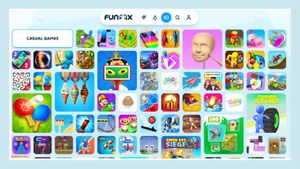 Why Casual Games Are Perfect for Quick Online Play
 -
 World Menopause Day 2026: Theme, Significance And What Research Reveals About Menopause In India
 -
 Navratri Day 8: Maa Mahagauri Puja, Colour, Rituals And Significance
 -
 Dussehra 2026: The Difference Between Vijayadashami And Ravana Dahan
 -
 Veteran Musician Deva Dies At 75: Life And Legacy Of Thenisai Thendral
 -
 Navratri Fasting Diet: How To Stay Energised And Full Through The Day
 -
 Kavya Maran Wedding In Greece? Date, Venue, and What Is Confirmed
 -
 Navratri Fasting 101: What To Eat, What To Skip, And How To Avoid Acidity And Headaches


It’s Playtime For Kids!


The trouble with the adults of tomorrow is that the children of today are not playing enough. It's as serious for our culture and society as is global warming. In 30 years we're going to find out that we haven't created explorers any more as children. We haven't created children who know how to flexibly think because we've taken away their playtime and supplemented it with more rigid instructional time.
There were two types of valuable play—the first is free play in which children let their imagination define the rules. The second is play-based learning which is a very content-rich exploration based environment for young children that to them looks for all the world like it's playful, and to adults can have the purpose of exposing them to different kinds of arts, social studies, psychology.
Dr Kathy Hirsh-Pasek, of Temple University in Philadelphia conducted this study.

 Continue with Google

