




 Click it and Unblock the Notifications


Latest Updates
-
 Beyond Traditional Venues: How Leisure Destinations Are Changing Festival Celebrations
 -
 Rashmika Mandanna’s Engagement Ring Stack Features Victorian Diamond And Tiffany Sixteen Stone Band
 -
 450 Get Anti-Rabies Shots After Cow Dies: Can Rabies Spread Through Milk?
 -
 Devi, Vayu, Vamika And More: Why Modern Parents Are Rediscovering Ancient Indian Baby Names, Expert Explains
 -
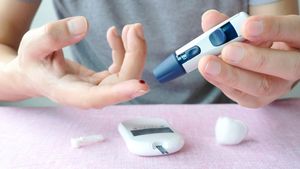 Why Blood Sugar Can Remain High Even When You're Taking Medication
 -
 Kareena Kapoor’s Sindoori Red Suit And Saif Ali Khan’s Black Ensemble Are Worth A Style Decode
 -
 Does A Shorter Ingredient List Make Skincare Safer? An Expert Explains
 -
 Airbnb Just Banned Checkout Chores: No More Stripping Beds Or Washing Dishes
 -
 Tom Cruise Lands AFI’s 52nd Life Achievement Award After Honorary Oscar
 -
 Bigger & Better Than Ever: Laxmi & Chef Kunal Kapur Return With ‘Diwali Delights’ Season 2


Inside the NICU: How Modern Medicine Is Rewriting Survival for Premature Babies

A generation ago, a baby born at 24 weeks had a slim chance of survival, and those who did survive often faced severe, lifelong complications. Today, that same baby has a meaningfully better shot, not because of one breakthrough, but because of decades of incremental advances stacking on top of each other inside the neonatal intensive care unit (NICU).

We spoke to Dr Jino Joseph K, Senior Consultant, Neonatology, Apollo Adlux Hospital, Angamaly, who explained the role of the NICU in premature babies.
Redefining "Too Early"
Prematurity is generally classified by gestational age:
- Late preterm: 34 to 36 weeks
- Moderately preterm: 32 to 34 weeks
- Very preterm: 28 to 32 weeks
- Extremely preterm: Before 28 weeks
"The limit of viability, the earliest point at which survival becomes possible, has crept downward over the decades. In many advanced NICUs, infants born at 22 to 23 weeks now have a realistic, if still limited, chance of survival, something that was nearly unthinkable in the 1990s," said Dr Joseph.
Innovations Driving the Shift

- Surfactant Therapy: One of the single biggest advances in neonatal care. Premature lungs often lack surfactant, a substance that keeps tiny air sacs from collapsing. Since the late 1980s, synthetic and animal-derived surfactant can be administered directly into a newborn's lungs, dramatically reducing deaths from respiratory distress syndrome.
- Antenatal Steroids: When premature delivery is anticipated, steroids given to the mother before birth can accelerate fetal lung maturity within 24 to 48 hours, significantly improving a baby's odds before they even take their first breath.
- Gentler Ventilation Strategies: Older ventilators often caused lung injury in fragile preemie lungs. More recent technologies, such as non-invasive products like CPAP (continuous positive airway pressure), are intended to help with respiration yet capable of doing little damage to the developing tissues.
- Thermoregulation and Incubator Technologies: Preterm babies generally lose heat quickly, which is considered to be one of the reasons for infant mortality. Modern incubators regulate humidity and temperature precisely, imitating the environment in the womb.
- Nutritional Science: Modern formulas and fortified breast milk are now prepared to meet the particular caloric and nutrition needs of preterm babies, helping their brain and body development during the period when development is taking place in utero.
- Infection Control: Premature babies experience an underdeveloped immune system, making infections a major risk in the neonatal intensive care unit. Strict hygiene regulations, development of antibiotic stewardship, and enhanced care of catheters provided an obvious reduction of infections in hospitals.
Beyond Survival: The Push for Better Outcomes
Contemporary neonatology is concerned not only with survival but minimising the risk of complications, including chronic lung disease, developmental issues and visual or hearing impairment. Methods currently in favour are as follows:
- Kangaroo care - holding the baby skin-to-skin with the parents, which results in stabilization of heart rate, respiration, and body temperature, along with development of neurodevelopment
- Developmental care strategies - use of dim lighting, noise reduction, and clustering of care activities for maintaining sleep cycles and avoiding sensory overload
- Programs involving the family members - understanding that presence and interaction of parents improves outcomes beyond their psychological well-being
Importance of Specialised Teams
Today's NICU can be viewed as an ecosystem rather than an individual ward with neonatologists, respiratory therapists, neonatal nurses, lactation consultants, and specialists (cardiologists, ophthalmologists, and neurologists) potentially working together on one case. "The model in question, which has developed during the last several decades, is one of the major contributions to increased survival rates, aside from any particular equipment or medications," added Dr Joseph.
Limitations that Persist
Notwithstanding significant advances, there is no doubt that extreme prematurity is associated with certain risks. "Babies who are born at the present boundaries of viability are more prone to suffer from intraventricular haemorrhage (haemorrhaging of the brain), necrotising enterocolitis (intestinal problem) and retinopathy of prematurity. It is currently being studied how the boundaries could be extended with acceptable outcomes in terms of quality of life," explained Dr Joseph.
Why This Progress Matters
Dr Joseph concluded, "Preterm birth remains one of the leading causes of death in children under five worldwide, which is part of why the incremental gains inside NICUs carry outsized significance. Every week of gestational age matters, and every technological or protocol-based improvement compounds across millions of births each year."

 Continue with Google

