




 Click it and Unblock the Notifications


Latest Updates
-
 From Corsetry To Crystals: Breaking Down Rashmika Mandanna's Vogue World Gown
 -
 Govt Warns Against Overusing Antibiotics And Painkillers: No Prescription, No Pills
 -
 72nd National Film Awards: Yami Gautam's Message For Outsiders, Mammootty And Dhanush Honoured
 -
 Ayurveda Day 2026: An Expert Explains 7 Food Habits Ayurveda Would Ask You To Rethink
 -
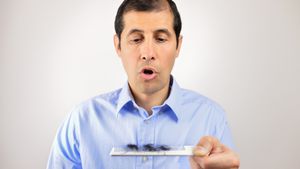 Stop Blaming the Monsoon Entirely for Your Hair Fall, Says This Dermatologist
 -
 Shakira Debuts a New Gaurav Gupta Breastplate, and This Time It's Gold and Banarasi
 -
 Can Hair Oils Prevent Premature Graying or Improve New Hair Growth?
 -
 Can Any Blood Group Donate Organs to Any Patient? A Transplant Expert Explains
 -
 Everyone's Talking About Rahane's Igatpuri Home. Here's Why The Town Itself Is Worth The Trip
 -
 You Don't Need Surgery for Every Sinus Problem: When Is FESS Actually Necessary?


The Missing Medal: How Mirabai Chanu Finally Completed Her Collection At The Asian Games

There is a particular kind of pressure that comes with being brilliant almost everywhere except one place. For years, that one place was the Asian Games.
On 23rd September, at the Nagoya City Trade and Industry Center, Saikhom Mirabai Chanu lifted a total of 198kg in the women's 49kg category to win silver at the Aichi-Nagoya 2026 Asian Games. North Korea's Ri Song Gum took gold. But the medal that mattered most in the room wasn't the one at the top of the podium. It was Chanu's, because it was the first Asian Games medal of her career, arriving after every other major stage in the sport had already given her one.

A Career With Almost No Gaps Left
Look at Chanu's medal record and the Asian Games stands out as the obvious exception. She won silver at the Tokyo Olympics in 2020. She has a World Championship gold from Anaheim in 2017. She has three Commonwealth Games golds, the most recent coming this year in Glasgow, where she lifted 190kg to win her third consecutive title in the category. She has been India's most consistent weightlifter across every format that exists, except the one held once every four years on Asian soil.
That gap wasn't for lack of trying. Chanu has competed at Asian Games before, up against a region that produces some of the deepest weightlifting talent in the world, particularly in her weight class. China and North Korea have dominated the women's 49kg category for years, and Wednesday's result was no different: Ri Song Gum's gold-medal lift reportedly broke a world record in the process. Chanu wasn't competing against a weak field. She was competing against the same wall that had kept her off this particular podium for her entire career.
STORY | Mirabai Chanu ends Asian Games medal wait with silver
— Press Trust of India (@PTI_News) September 23, 2026
Star Indian weightlifter Mirabai Chanu finally completed her medal collection, winning the elusive Asian Games silver in the womens 49kg event here on Wednesday.
The Tokyo Olympic silver medallist totalled 198kg,… pic.twitter.com/TsBii6ujtd
Why This One Medal Closes The Loop
What makes Wednesday's silver different from any other medal Chanu has won is what it represents rather than what it weighs. An Olympic medal, a World Championship title, Commonwealth gold: these prove a lifter can win on the biggest stages. An Asian Games medal proves something narrower and, in some ways, harder: that a lifter can beat the specific region that dominates their own sport, on a continent where the competition in weightlifting is arguably tougher than at the Olympics itself.
The last Indian weightlifter to manage that was Karnam Malleswari, who won silver in the 63kg category at Bangkok in 1998. That's a 28-year wait between Indian weightlifting medals at the Asian Games, one Chanu has now personally ended.
What's Left, If Anything
It's worth asking what's actually left on Chanu's list after this. An Olympic gold, certainly, after the Tokyo silver. But in terms of major multi-sport and world events, silver, gold, medals across every level she's competed at, this Asian Games result was arguably the last structural gap in an otherwise complete career. At 32, with a Commonwealth Games gold already banked this year and now an Asiad medal finally in hand, Chanu isn't chasing new territory anymore so much as defending ground she's already claimed.

 Continue with Google

