




 Click it and Unblock the Notifications


Latest Updates
-
 Why Casual Games Are Perfect for Quick Online Play
 -
 World Menopause Day 2026: Theme, Significance And What Research Reveals About Menopause In India
 -
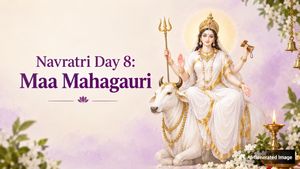 Navratri Day 8: Maa Mahagauri Puja, Colour, Rituals And Significance
 -
 Dussehra 2026: The Difference Between Vijayadashami And Ravana Dahan
 -
 Veteran Musician Deva Dies At 75: Life And Legacy Of Thenisai Thendral
 -
 Navratri Fasting Diet: How To Stay Energised And Full Through The Day
 -
 Kavya Maran Wedding In Greece? Date, Venue, and What Is Confirmed
 -
 Navratri Fasting 101: What To Eat, What To Skip, And How To Avoid Acidity And Headaches
 -
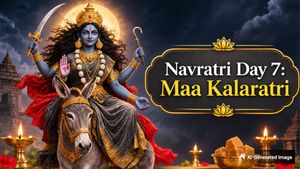 Navratri Day 7: Maa Kalaratri Puja, Colour, Rituals And Significance
 -
 Office To Dandiya Nights: One Quick-Change Outfit Formula For Navratri 2026


Republic Day 2024: Who Handwrote Constitution of India And Other Interesting Facts

The Constitution of India, adopted on January 26, 1950, is the supreme law of the country and lays down the framework that defines the political principles, establishes the structure, procedures, powers, and duties of the government institutions.
Do you know that The Constitution of Monaco is the world's shortest constitution with 3,814 words whereas The Constitution of India is the world's longest constitution with 1,46,385 words. Surprising? Isn't it? There are many other facts about our constitution which will surprise you. So, let's delve into it and find more this Republic Day 2024.

1. How Was Constituent Assembly Formed?
When India was fighting for its freedom from the Britishers some prominent leaders like Jawaharlal Nehru, Subhash Chandra Bose, Mahatma Gandhi bought the idea of bringing constitution. After which the Constituent Assembly of 389 members was formed for drafting the constitution. The idea of a constituent assembly was first proposed in 1934 by M.N. Roy. However, the actual constituent assembly was formed in 1946 on the basis of the cabinet mission plan.
2. Who Is The Chief Architect Of Indian Constitution?
A polymath, a jurist, and a social reformer Dr. B.R. Ambedkar was the head of the constituent asssembly formed. Dr. Ambedkar was the one who was heading this assembly. He worked tirelessly and brought the constitution in work in 1950.
3. How Long Is The Indian Constution?
The Indian Constitution comprises of 470 articles and 12 schedules. It stands as the lengthiest written constitution globally, a testament to the intricacies of governing a diverse and populous nation. The document reflects a delicate balance between individual liberties and the collective welfare of society.
4. What Does The Preamble Stand For?
The Preamble, a poetic prelude to the constitution, encapsulates its spirit and ideals. "We, the people of India," it begins, weaving a narrative of justice, liberty, equality, and fraternity. The Preamble is a testament to the collective dreams of a nation that aspires to secure social, economic, and political justice for all.
5. Why Do We Celebrate Republic Day?
After all the timeless and rigorous efforts of all the members of constituent assembly, on 26th January 1950 it was came into action and was accepted officially nationally. This day marks as "The Republic day" and is celebrated each year with proud and enthusiasm.
6. Who Handwrote The Indian Constitution?
Prem Behari Narain Raizada was the talented calligrapher responsible for transcribing the original copies of the Constitution of India in both Hindi and English. He was born on 17th December 1901 in India. This took him 6 months to complete this document. Nowadays the copy of this original document is kept conserved in the special helium filled cases inside the Parliament's library of India.
Raizada was a renowned calligrapher known for his exceptional skills in the art of beautiful handwriting. His mastERY of the craft earned him recognition and respect in artistic circles. Raizada's commitment to precision and attention to detail played a crucial role in ensuring the flawless transcription of the document.
His name might not be as widely recognized as some of the political figures of that era, his contribution has not gone unnoticed. The precision and beauty of his calligraphy are commemorated each time the Constitution of India is referred to or displayed.
This legal masterpiece, penned by architects with visionary flair, isn't just ink on paper but a living mural painted with the hues of diversity. From the poetic Preamble to the calligraphy, it's a rhythmic journey.

 Continue with Google

