




 Click it and Unblock the Notifications


Latest Updates
-
 Why Casual Games Are Perfect for Quick Online Play
 -
 World Menopause Day 2026: Theme, Significance And What Research Reveals About Menopause In India
 -
 Navratri Day 8: Maa Mahagauri Puja, Colour, Rituals And Significance
 -
 Dussehra 2026: The Difference Between Vijayadashami And Ravana Dahan
 -
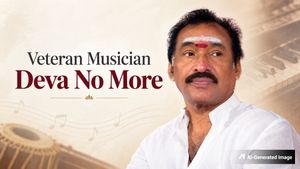 Veteran Musician Deva Dies At 75: Life And Legacy Of Thenisai Thendral
 -
 Navratri Fasting Diet: How To Stay Energised And Full Through The Day
 -
 Kavya Maran Wedding In Greece? Date, Venue, and What Is Confirmed
 -
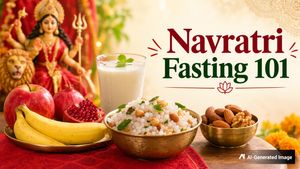 Navratri Fasting 101: What To Eat, What To Skip, And How To Avoid Acidity And Headaches
 -
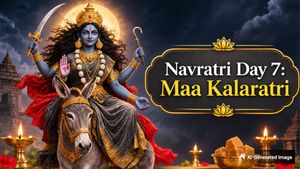 Navratri Day 7: Maa Kalaratri Puja, Colour, Rituals And Significance
 -
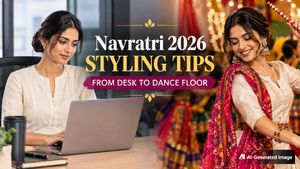 Office To Dandiya Nights: One Quick-Change Outfit Formula For Navratri 2026


Indian Classical Dance- Bharatanatyam

Bharatanatyam is the classical Indian dance that adhere to Natya Shastra of 400 B.C. Bharatanatyam derived its name from the perfect combination of its expressions as well as from sage Bharata Muni and his Natya Shastra. This exceptional art form can be aptly described as a poetry in motion and combines Bhava (acting), Raga (melody) and Tala(rhythm). A brief look into the wide aspects of this unique art form will give insightful moments to aesthetics.
Bharatanatyam is thought to have created by Bharata Muni, who wrote the Natya Shastra. It is said to be originated in Thanjavoor of Tamil Nadu. It was essentially known as 'Dasiattam', since performed by Devadasis in the temples. This distinct art form with the unique elements of Nritta (rhythmic dance movements), Natya (mime, or dance with a dramatic aspect), and Nritya (combination of Nritta and Natya) expressed the artist's devotion.
Bharatanatyam explored a new realm of art form with the rich contributions from the famous quartet of Chinnayya, Ponniah, Sivanandam and Vadivelu of the Tanjore Court, during the rule of Maratha King Saraboji II (1798- 1832).They made a rich contribution to music of Bharatanatyam. They also completed the process of re-editing the bharatanatyam programme into its present shape with its various forms like the Alarippu, Jathiswaram, Sabdham, Varnam, Tillana etc.
The interest in Bharatanatyam developed in the medieval period when the local kings invited the artists to perform in their courts. Bharatanatyam thus grew up to an entertainment art form and incorporated two aspects like lasya (the graceful feminine lines and movements) and tandava (the masculine aspects of lord Shiva). In the modern era Bharatanatyam follows its Panadanallur style and has attained appreciation all over the world.
The basic techniques of bharatanatyam are Karanas and Hasta mudras. Karanas refer to the conscious and systematic movements in Indian classical dance. There are 108-125 karanams in Bharatanatyam on the present day.
Bharatanatyam combines two types of Hasta mudras as Asamyuta (single) and Samyuta(Combined). There are 28 Asamyuta hasta mudras and 24 hasta mudras in Bharatanatyam. Each of these hasta mudras has its own origin, usage and patron deity. Each of these mudras can be used in more than one way depending on the song accompanying the dance.
A typical bharatanatyam performance includes Ganapati Vandana, Alarippu, Jatiswaram, Shabdam, Varnam, Padam and Thillana. Apart from these there are items like Kautuvam, Koothu,and Shlokam etc. A colourful costume makes the artist's performance more graceful. Bharatanatyam is always accompanied by Carnatic vocal music and instrumental music like mridangam, nagaswaram, flute, violin and veena. The lyrics of the music are often in Tamil, Sanskrit and Kannada language.
After citing the proud performance of Bharatanatyam, we will discuss about the Indian classical dance Odissi in the next article.

 Continue with Google

