




 Click it and Unblock the Notifications


Latest Updates
-
 Alia Bhatt And Vicky Kaushal Set The Ramp Ablaze In Manish Malhotra’s Stunning Chikankari Couture Looks
 -
 Bank Strike From September 28 To 30: Why Are Bank Employees Striking And Which Services Will Be Affected?
 -
 Kerala Faces Power Cut Crisis: What Happened And How People Are Coping With Night-Time Outages
 -
 Google Turns 28: 10 Surprising Things You Probably Never Knew About The Search Giant
 -
 World Tourism Day 2026: Significance, Theme And How India Is Redesigning Tourism With Artificial Intelligence
 -
 October 2026 Important Days And Events: Complete List Of National And International Observances
 -
 "I Look For Green Flags Now": Inside Dating's Biggest Shift In 2026
 -
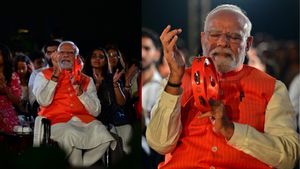 What Is Bhajan Clubbing? The Trend PM Modi Called Spectacular
 -
 Love & War First Looks: Alia Bhatt, Ranbir Kapoor and the Making of Bhansali's Next Epic
 -
 Bhadrapada Purnima 2026: What Makes This Full Moon Important Before Pitru Paksha


Anupama Parameswaran Talks About Love, Control, and Finally Walking Away

A few weeks ago, Anupama Parameswaran posted a series of emotional notes on Instagram that left fans guessing. There was no name, no context, no explanation. Just a woman clearly working through something heavy.

This week, the actor filled in the blanks. In a candid conversation with content creator Dhanya Varma, Parameswaran said those posts weren't written on impulse; they came after two years of what she called narcissistic abuse. "There is two years of pain, physical, emotional destruction, behind that one post," she said, adding that she had waited until she felt ready to heal before speaking publicly.
A Relationship That Started With Love Bombing
Parameswaran did not name her former partner, though speculation has linked her comments to actor Dhruv Vikram, whom she was rumoured to be dating while making their Tamil film Bison Kaalamaadan. Neither actor has ever confirmed the relationship, and Parameswaran has not identified him as the person she was describing.
What she did describe was a pattern many psychologists associate with narcissistic abuse: intense affection early on, followed by a gradual shift into control. Parameswaran explained that the relationship began with love bombing before her partner's behaviour started swinging unpredictably, warm and adoring one day, harsh and dismissive the next, followed by apologies and promises that it wouldn't happen again. She illustrated the pattern using characters from Tamil cinema, comparing the shifts to a person moving between the roles of Remo, Anniyan and Ambi.
"Instead Of Blooming, I Was Shrinking"
According to Parameswaran, the relationship took a visible toll. She said she lost a significant amount of weight, struggled with anxiety, and gradually felt herself losing pieces of her own identity rather than growing within the relationship. She has also linked the dynamic to career decisions made during that period, including her choice not to promote one of her successful films.
Parameswaran was careful to frame her disclosure as something bigger than her own story. She said she wanted to speak directly to people who might be living through something similar without recognising it, a group she called the hardest to reach, because the abuse rarely looks dramatic from the outside. Narcissistic partners, she noted, can appear charming and reasonable to everyone else, which often makes victims doubt their own experience.
She also pushed back at people who had speculated about her motives during the relationship, saying she chose to end an engagement rather than go through with a marriage she no longer believed in.
What makes Parameswaran's account resonate isn't the mystery around who she was dating; it's the description of a pattern that rarely announces itself as abuse. Cycles of affection, control and apology can look like love from the inside for a long time before anyone names them otherwise. Her decision to speak, without naming names, reframes the story away from gossip and towards something more useful: recognising the pattern before two years become a habit.
If this piece brings up difficult memories or feelings, it may help to talk to a mental health professional or a trusted support service in your area.

 Continue with Google

