



 Click it and Unblock the Notifications



Latest Updates
-
 Diwali 2026: Chakli To Nimki, 7 Regional Savoury Snacks That Bring Traditional Indian Flavours To Your Table
-
 Filmmaker Sanjay Gupta Passes Away At 57: ‘Aatish’ To ‘Kaabil’, Look At His Three-Decade Bollywood Journey
-
 Halloween 2026: From Chudail To Yakshi, 5 Mysterious Supernatural Beings That Haunt Indian Folklore
-
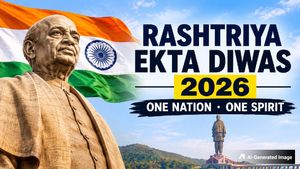 Rashtriya Ekta Diwas 2026: Significance, History And Sardar Vallabhbhai Patel's Role In Uniting India
-
 Survey Finds 68% Of Previously Married Singles Hesitate To Match With Never-Married Partners
-
 Diwali 2026: Complete Five-Day Festival Calendar, Dates, Significance And Celebrations
-
 Weight, Alcohol, Hormones: Pathologist Shares Insights On What Really Shapes A Woman’s Breast Cancer Risk
-
 Diwali 2026: 5 Healthy Homemade Indian Sweets That Go Beyond Traditional Mithai
-
 Stroke In Young Women: Neurologist Explains Warning Signs And Hormonal Risk Factors
-
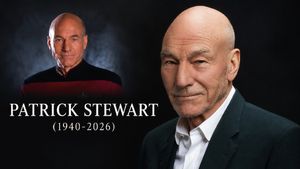 ‘Star Trek’ And ‘X-Men’ Actor Patrick Stewart Passes Away At 86 After Dementia Battle


Ambassador gets a rebirth at Oxford

The Morris Oxford, which last rolled off the production line at Cowley 35 years ago, is being produced in India by Hindustan Motors under the brand name Ambassador while thousands are buying it.
The story goes back to the late 1940s when Birlas forged a relationship with Morris, which went on to supply it with Oxfords in kit form. In 1957 the Indian-produced car became known as the Ambassador and since then has been built continuously in the Uttarpara plant of Hindustan Motors in the West Bengal state of India.
The present Ambassadors are replicas of the Series III Morris Oxford, which was launched in the UK in 1956. When it was introduced, this became the perfect vehicle for large Indian families. And the body was sturdy while the B Series engine was also a real workhorse.The Morris Oxford had a semi-monocoque chassis, a nuance which provided it with ample space to accommodate six passengers comfortably.That meant the car could cope with the extreme weathers, difficult terrain and miserable condition of the Indian roads.
Only seven Indian firms gained permission to manufacture vehicles in the country in the 1950s.This, coupled with the sturdiness of the frame, made Ambassador a favourite of government officials, taxi operators and car enthusiasts alike.Although the number of cars produced in the financial year 1959-1960 was only 500, in the later years its popularity grew steadily and annual sales reached the zenith of 30,000 units in 1970s and 1980s.
Now compare the sales figures of the original and that of its copy. Official figures show the total number of Morris Oxford Series II's produced at Cowley was 87,341 and the combined figure for the Series III and IV was 58,117.But these robust sales figures could not last forever. The advent of new cars, mainly the Suzuki-based Maruti, caused the decline in sales of Ambassadors to about 15,000 vehicles a year. Soni Shrivastav, general manager (corporate affairs) of Hindustan Motors, says 65 per cent of the cars being sold every year are being used by the tourism industry.
The central or state governments buy another 20 per cent for their official fleets.
Amby', as Ambassador is fondly called, is now imported here by Merlin Garages, based in the Welsh village of Llanwrda, with a handful of sales every year.
Director David Darell is marketing the Amby' after changing 30 features including the addition of a heater. The models cost between 9,500 and 12,000 and, interestingly, he has sold one Ambassador to a client in Oxford.
This year marks the golden jubilee year for Amby' and Hindustan Motors management is planning to celebrate by coming out with a special edition.And there are still no plans to stop making the oldest car still in continuous production.

 Continue with Google


