




 Click it and Unblock the Notifications


Latest Updates
-
 Why Casual Games Are Perfect for Quick Online Play
 -
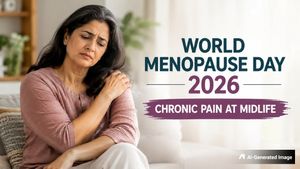 World Menopause Day 2026: Theme, Significance And What Research Reveals About Menopause In India
 -
 Navratri Day 8: Maa Mahagauri Puja, Colour, Rituals And Significance
 -
 Dussehra 2026: The Difference Between Vijayadashami And Ravana Dahan
 -
 Veteran Musician Deva Dies At 75: Life And Legacy Of Thenisai Thendral
 -
 Navratri Fasting Diet: How To Stay Energised And Full Through The Day
 -
 Kavya Maran Wedding In Greece? Date, Venue, and What Is Confirmed
 -
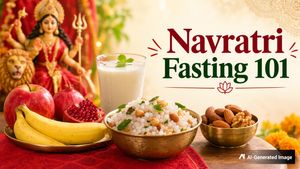 Navratri Fasting 101: What To Eat, What To Skip, And How To Avoid Acidity And Headaches
 -
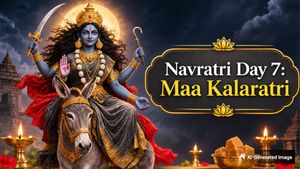 Navratri Day 7: Maa Kalaratri Puja, Colour, Rituals And Significance
 -
 Office To Dandiya Nights: One Quick-Change Outfit Formula For Navratri 2026


WHO Approves First Malaria Vaccine Mosquirix After Trials In Africa: Know More About It

The World Health Organization approved the first malaria vaccine on Wednesday, October 6, 2021 after years of testing in three African countries, aiming to save the lives of thousands of children on the continent each year. WHO Director-General Tedros Adhamon Ghebreyesus called the endorsement by two expert advisory groups of the UN health agency "an historic moment."
What Do We Know About The Malaria Vaccine?
Mosquirix, as the malaria vaccine is known, was first created by British pharmaceutical company GlaxoSmithKline (GSK) in 1987. "This is a vaccine developed in Africa by African scientists and we're very proud," said the WHO Director-General. "Using this vaccine in addition to existing tools to prevent malaria could save tens of thousands of young lives each year," he added.
WHO researched its effectiveness on over 800,000 children in Ghana, Kenya and Malawi since 2019.

The parasitic disease is passed on by mosquitoes with nets and sprays being the only protections from infection so far.
Despite its approval for use, it is only 30% effective at preventing severe cases, requires four doses and the protection it gives fades after a few months. Although side effects are rare, they could include fever and convulsions.
But with malaria killing 400,000 people each year in Africa, many of them children under five, out of a total of 200 million cases, scientists are enthused by its approval. This death toll is marginally higher than that caused by COVID-19 in Africa throughout 2019.
GSK is now looking for additional funding for the vaccination drive, with the company aiming to produce 15 million doses a year at a 5% mark-up over manufacturing costs.
What Have Scientists Said About It?
"Today's recommendation offers a glimmer of hope for the continent, which shoulders the heaviest burden of the disease. We expect many more African children to be protected from malaria and grow into healthy adults," WHO's Africa Director Dr Matshidiso Moeti said.
"This is a huge step forward,'' said Julian Rayner, director of the Cambridge Institute for Medical Research, who was not part of the WHO decision. "It's an imperfect vaccine, but it will still stop hundreds of thousands of children from dying," he said.
Dr Alejandro Cravioto, who headed the WHO group that vetted the jab, said it was difficult to design the shots. "We are not yet in reach of a highly efficacious vaccine but what we have now is a vaccine that can be deployed and that is safe," said Cravioto.
Azra Ghani, chair of infectious diseases at Imperial College London, said: "A 30% reduction will save a lot of lives and will save mothers (from) bringing in their children to health centers and swamping the health system."
Another malaria vaccine being developed by Oxford University showed up to 77% efficacy during a year-long early trial with 450 children.
Source: DW News
Disclaimer: The information provided in this article is for general informational and educational purposes only and is not intended as a substitute for professional medical advice, diagnosis, or treatment. Always seek the advice of your physician or a qualified healthcare provider with any questions you may have regarding a medical condition.

 Continue with Google

