




 Click it and Unblock the Notifications


Latest Updates
-
 Can Breast Cancer Be Detected Before Symptoms Appear? A Doctor Explains The Role Of Screening
 -
 Papankusha Ekadashi 2026: October 21 Or 22? Know The Correct Date, Tithi And Significance
 -
 OTT Releases This Week (October 19–25): New Movies And Series On Netflix, Prime Video, JioHotstar And Zee5
 -
 Police Commemoration Day 2026: Know The History, Significance And Programmes Planned Across India This Year
 -
 Deepika Padukone And Ranveer Singh Announce Second Daughter’s Name On Dussehra, Share Family Photo
 -
 Who Was Karthik Sabesh? Tamil Actor Passes Away At 37, Days After Uncle And Composer Deva’s Death
 -
 Who Is Ravleen Varghese? Meet The First Malayali Model To Walk The Victoria’s Secret Runway
 -
 World Osteoporosis Day 2026: A Minor Fall, A Major Fracture — Doctor On Why Older Adults Should Be Careful
 -
 Durga Visarjan 2026: October 20 or 21? Know Shubh Muhurat, Rituals And Significance
 -
 Happy Dussehra 2026: 50+ Wishes, Messages And Greetings To Share With Family And Friends


Thyroid Dysfunction Can Cause Heart Failure - Finds Study
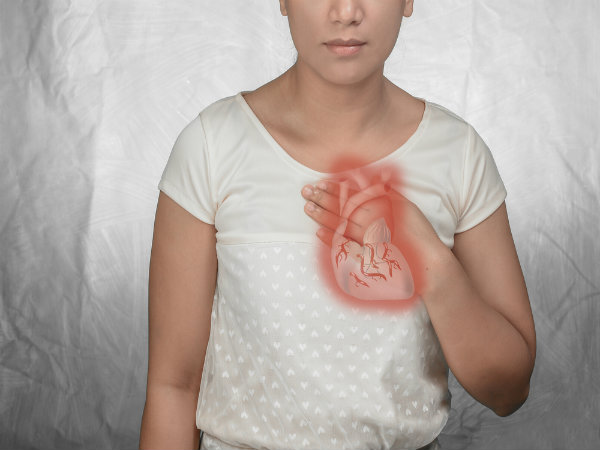
If you are ailing with thyroid dysfunction, you need to be careful it can lead to heart failure. A study reveals.

People with higher levels of underactive thyroid gland (hypothyroidism) may be at risk of severe heart failure, an Indian-origin researcher has found.
According to the study, those with an overactive thyroid (hyperthyroidism) may be more likely to have irregular, often rapid heart rate.A thyroid-stimulating hormone (TSH) blood test is used to check thyroid gland problems.
TSH causes the thyroid gland to make two hormones: triiodothyronine (T3) and thyroxine (T4). T3 and T4 help to control body's metabolism and are needed for normal growth of the brain, especially during the initial years of life.

The findings showed that in patients with pre-existing heart failure, higher TSH, higher free T4 and lower T3 concentrations were each associated with more severe heart failure, while only higher free T4 was associated with atrial fibrillation.
"Our results indicate that having subclinical hypothyroidism, a mild decrease in thyroid function, is associated with increased likelihood of needing mechanical assistance to the heart with devices, transplantation or death," said led author Lakshmi Kannan from the University of Pennsylvania in Philadelphia, US.

"We also found that blood tests commonly performed to assess thyroid function, including thyroid stimulating hormone (TSH) levels and two distinct thyroid hormones called thyroxine (T4) and triiodothyronine (T3), are associated with the severity of heart failure," Kannan said.

The results were presented at the annual meeting of the Endocrine Society, ENDO 2017 in Orlando. To examine the association between thyroid disorders and the risk of adverse outcomes, including ventricular assist device placement, heart transplantation or death, Kannan and her team investigated 1,382 patients with pre-existing moderate to advanced heart failure.
In the participants, subclinical hypothyroidism with TSH 7.0 milli-international units per liter (mIU/L) or higher was linked with worse survival.
With Inputs From IANS
Disclaimer: The information provided in this article is for general informational and educational purposes only and is not intended as a substitute for professional medical advice, diagnosis, or treatment. Always seek the advice of your physician or a qualified healthcare provider with any questions you may have regarding a medical condition.


 Continue with Google

