




 Click it and Unblock the Notifications


Latest Updates
-
 Who Is Anant Nag? Meet The Veteran Kannada Actor Set To Receive Dadasaheb Phalke Award
 -
 Throwback Thursday: Kareena Kapoor’s ‘Poo’ To Priyanka Chopra’s ‘Desi Girl’, Bollywood Looks That Ruled 2000s
 -
 PM Narendra Modi Birthday Special: Make His Favourite Khichdi At Home And Know Its Health Benefits
 -
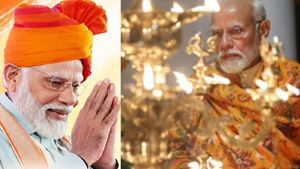 PM Modi Turns 76: ‘Ashirwad Ka Diya’ To Be Lit At 500+ Locations Across India
 -
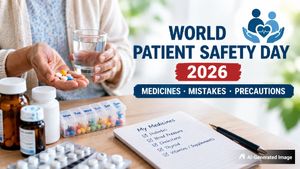 World Patient Safety Day 2026: Taking Multiple Medicines? Expert Explains How To Prevent Medication Errors
 -
 Kanya Sankranti 2026: Surya’s Virgo Transition, Rituals And Why The Day Is Spiritually Significant
 -
 Vishwakarma Puja 2026: Why Do We Worship Tools, Machines And Vehicles On This Day?
 -
 Grammy-Nominated Singer-Songwriter Alex Warren To Perform At Abu Dhabi Grand Prix 2026
 -
 How Does Insulin Work? Understanding The Hormone That Controls Blood Sugar
 -
 Newborn Care Myths Vs Facts: What A Neonatologist Wants Parents To Know


The Ailments And Solutions For The Elderly People!

Malnutrition
In geriatric rehabilitation, malnutrition affects a patient's functional status and global medical condition. Malnutrition occurs when a deficiency of caloric, vitamin, mineral, protein, water, and/or nutrient uptake is present. However, no exact definition of malnutrition has been established in the elderly.
Risk factors for malnutrition
Physiologic factors of aging may lead to malnutrition. These factors are reduced metabolic requirements, decreased total body protein level, decreased total body water, decreased BMD, decreased taste and smell sensation, diminished levels of neurotransmitters that increase appetite, and early satiety. Physical conditions include reduced physical activity; poor dentition; digestive disorders etc.
Depression
Depression is the most common mood disorder in the geriatric population. Some symptoms of depression, such as weight loss, sleep disturbance, and fatigue, may be associated with other concurrent medical conditions. These medical issues must be ruled out prior to establishing a diagnosis of depression. Cognitive disorders may also interfere with the diagnosis of geriatric depression.
What can we do to take care of elderly people?
Essential to geriatric rehabilitation is communication, specifically improving any sensory impairment, including those related to vision and hearing. The prevention of falls and osteoporosis can improve the Patient's health and longevity. Addressing malnutrition can promote healing and vitalize the patient to participate in a formal rehabilitation program. Depression is common in the older population if a functional loss of mobility and an inability to perform activities of daily living (ADLs) predominates.
Who takes care of the elderly in the hospital?
Geriatric medicine which a specialty by it self, needs lots insight in to the biology of ageing and knowledge of altered physiology, and requires extensive clinical assessment skills which can prevent unwanted ,expensive and inappropriate investigations.
Geriatric medicine requires the following skilled personnel who can listen to the patients understand the medical, social, and psychological needs and appropriate specialty referrals the team consists of the following
- Physician /geriatrician
- Psycogeriatrician
- Orthogeriatrician
- Good nursing staff
- Physiotherapist
- Speech therapist
- Occupational therapist
- Social workers
Disclaimer: The information provided in this article is for general informational and educational purposes only and is not intended as a substitute for professional medical advice, diagnosis, or treatment. Always seek the advice of your physician or a qualified healthcare provider with any questions you may have regarding a medical condition.

 Continue with Google

