




 Click it and Unblock the Notifications


Latest Updates
-
 Women, Menopause And Bone Health: Doctor Explains Why Osteoporosis Risk Rises After 40
 -
 Can Breast Cancer Be Detected Before Symptoms Appear? A Doctor Explains The Role Of Screening
 -
 Papankusha Ekadashi 2026: October 21 Or 22? Know The Correct Date, Tithi And Significance
 -
 OTT Releases This Week (October 19–25): New Movies And Series On Netflix, Prime Video, JioHotstar And Zee5
 -
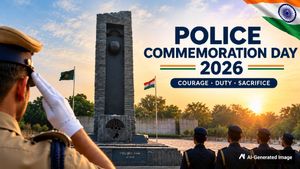 Police Commemoration Day 2026: Know The History, Significance And Programmes Planned Across India This Year
 -
 Deepika Padukone And Ranveer Singh Announce Second Daughter’s Name On Dussehra, Share Family Photo
 -
 Who Was Karthik Sabesh? Tamil Actor Passes Away At 37, Days After Uncle And Composer Deva’s Death
 -
 Who Is Ravleen Varghese? Meet The First Malayali Model To Walk The Victoria’s Secret Runway
 -
 World Osteoporosis Day 2026: A Minor Fall, A Major Fracture — Doctor On Why Older Adults Should Be Careful
 -
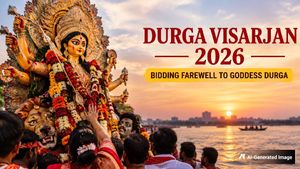 Durga Visarjan 2026: October 20 or 21? Know Shubh Muhurat, Rituals And Significance


Monsoon Wellness: Key Preparations to Safeguard Against Illnesses in India

Preparation for monsoon illnesses in India is of utmost importance, given the numerous health challenges that accompany the rainy season. By taking necessary measures and staying informed, individuals can enhance their preparedness and minimize the impact of monsoon-related illnesses.
Dr Honey Savla, an Internal Medicine Specialist at Wockhardt Hospitals, Mumbai Central shared a comprehensive guide encompassing essential measures for safeguarding personal well-being and promoting optimal health amidst the monsoon season.

Stay Informed:
To effectively prepare for the monsoon season, it is crucial to stay updated with weather forecasts and monsoon-related alerts issued by local authorities and meteorological departments. This information will enable individuals to plan ahead and take necessary precautions to safeguard their health and well-being.
Prevent Waterborne Diseases:
Waterborne illnesses such as cholera, typhoid, and hepatitis A are prevalent during the monsoon. To mitigate the risk of contracting these diseases, it is essential to consume clean and safe water. Boiled or purified water should be used for drinking and cooking purposes. Additionally, it is advisable to avoid consuming raw or street food and instead opt for freshly cooked meals.
Maintain Hygiene:
Practicing good hygiene habits is crucial to prevent the spread of infections during the monsoon. Regularly washing hands with soap and clean water, especially before eating or preparing food, is highly recommended. In instances where soap is not readily available, using hand sanitisers can be an effective alternative. It is also important to keep surroundings clean and dispose of waste properly to maintain a hygienic environment.
Avoid Mosquito-borne Diseases:
Mosquito-borne diseases such as dengue, malaria, and chikungunya are prevalent during the monsoon. Preventive measures should be taken to minimize mosquito breeding grounds, such as avoiding stagnant water in and around living areas. Additionally, using mosquito repellents, wearing protective clothing, and sleeping under mosquito nets can significantly reduce the risk of mosquito-borne illnesses.
Boost Immunity:
A strong immune system plays a vital role in combating infections. Consuming a balanced diet rich in fruits, vegetables, and whole grains is essential for bolstering immunity. Staying hydrated, getting adequate sleep, engaging in regular exercise, and managing stress levels are also beneficial in maintaining a healthy immune system.
Vaccinations:
Ensuring that vaccinations are up to date is crucial for protecting against specific diseases during the monsoon season. Tetanus, hepatitis, and influenza are among the diseases that can be prevented through immunization. It is advisable to consult with a healthcare professional to determine if additional vaccinations are recommended based on one's location and health conditions.
Be Cautious with Food:
Food contamination is common during the monsoon, making it important to exercise caution. Consuming freshly cooked, hot meals is recommended, while raw or uncooked foods, salads, and cut fruits from street vendors should be avoided. Thoroughly washing fruits and vegetables before consumption is also advised.
Prepare a First Aid Kit:
Keeping a well-stocked first aid kit at home is essential for handling emergencies during the monsoon. The kit should include basic medications for fever, cough, cold, pain, as well as any specific prescriptions. Additionally, items such as bandages, antiseptics, a thermometer, and oral rehydration salts (ORS) can be invaluable in addressing health-related issues.
Seek Medical Help:
In the event of experiencing any symptoms of illness, seeking medical attention promptly is crucial. Timely intervention can prevent complications and ensure a swift recovery. It is important not to delay treatment and to follow medical advice diligently.
Travel Precautions:
For those travelling during the monsoon, researching the weather conditions of the destination is essential for adequate planning. Carrying necessary medications, insect repellent is absolutely necessary.
Disclaimer: The information provided in this article is for general informational and educational purposes only and is not intended as a substitute for professional medical advice, diagnosis, or treatment. Always seek the advice of your physician or a qualified healthcare provider with any questions you may have regarding a medical condition.

 Continue with Google

