




 Click it and Unblock the Notifications


Latest Updates
-
 Veteran Musician Deva Dies At 75: Life And Legacy Of Thenisai Thendral
 -
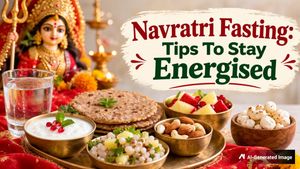 Navratri Fasting Diet: How To Stay Energised And Full Through The Day
 -
 Kavya Maran Wedding In Greece? Date, Venue, and What Is Confirmed
 -
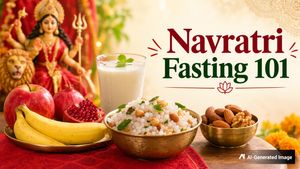 Navratri Fasting 101: What To Eat, What To Skip, And How To Avoid Acidity And Headaches
 -
 Navratri Day 7: Maa Kalaratri Puja, Colour, Rituals And Significance
 -
 Office To Dandiya Nights: One Quick-Change Outfit Formula For Navratri 2026
 -
 As ‘Ranabaali’ Hits Theatres, A Look At Rashmika Mandanna’s ₹1.31 Lakh Ivory Saree For Pre-Release Promotions
 -
 Durga Puja Pandals Mumbai 2026: 7 Stunning Celebrations To Explore From Matunga To Juhu
 -
 World Spine Day 2026: Is Your Phone Habit Causing Neck Pain? What To Know About Tech Neck
 -
 Breast Cancer Awareness Month 2026: Expert Explains Why Family History Isn't the Only Risk


Mangoes In Monsoon? These 3 'M's Can Wreck Your Gut This Rainy Season!

As raindrops tap gently against your windows, you're tempted to cozy up with comforting foods-warm milk, juicy mangoes, and those earthy mushrooms. But here's a monsoon secret not many know: these very favorites could be doing more harm than good.
Humidity, fluctuating temperatures, and a surge in bacterial growth make the rainy season a risky time for your gut. Some foods become more prone to spoilage, contamination, or digestive discomfort, and surprisingly, milk, mangoes, and mushrooms top the list.

Let's know why these '3 M's' should be avoided-or at least eaten cautiously-during the monsoon months.
Milk: When Comfort Turns Complication
A glass of hot milk might sound like the perfect antidote to a rainy day chill, but during monsoon, milk can curdle easily due to fluctuating temperatures and increased bacterial activity in the environment.
Even pasteurized milk can turn sour if left out for a short while. Spoiled milk not only tastes off but can cause food poisoning, stomach cramps, or diarrhea. Those with lactose sensitivity may feel even more bloated in this season due to slowed digestion.
If you must consume milk, boil it properly and drink it fresh. Avoid storing it for long periods and skip milk-based sweets or drinks from street vendors during this season.
Mangoes: Summer's Darling, Monsoon's Danger
Everyone loves mangoes. But the sad truth? They're not monsoon-friendly. By the time rains start pouring, most mangoes left in the market are overripe or artificially ripened using calcium carbide-both of which spell trouble.
Overripe mangoes ferment quickly in humid weather, leading to a spike in natural sugars that fuel bacterial growth. Eating them can cause digestive issues like bloating, acidity, and even infections. Artificially ripened mangoes may contain harmful chemicals that irritate the gut or trigger allergic reactions.
Plus, mangoes increase body heat, which in a moist, infection-prone climate, can make you more susceptible to skin rashes and acne. If you can't resist, opt for early-season, naturally ripened ones and eat them in moderation-preferably before the monsoon begins in full swing.
Watch The Video: Click Here
Mushrooms: Moisture Magnets That Can Turn Toxic
Monsoon may feel like mushroom season, but here's a fact that often goes unnoticed-mushrooms absorb and retain water easily, which makes them a breeding ground for bacteria and mold during rains.
They spoil faster in humid weather, and even slight contamination can cause stomach upset or, worse, food poisoning. Wild mushrooms can become particularly dangerous if they are misidentified or improperly stored.
Cooked improperly, they can also trigger nausea and allergic reactions. If you're still craving mushrooms, make sure they are fresh, dry, and cooked thoroughly. Better still-wait until drier months return.

So What Should You Eat Instead?
Monsoon calls for warming, easy-to-digest foods. Think seasonal fruits like pomegranates, apples, and pears. Include turmeric, ginger, and garlic in your meals for natural immunity. Sip on warm soups and kadhas rather than cold drinks or heavy dairy-based items.
Sticking to fresh, home-cooked meals instead of outside or street food can protect you from stomach infections and monsoon illnesses.
The monsoon season is beautiful, but it brings its own set of dietary do's and don'ts. Avoiding milk, mangoes, and mushrooms may seem tough at first, but your gut will thank you later. Choose wisely, eat clean, and let your body stay light and illness-free while you enjoy the rain.
Disclaimer: The information provided in this article is for general informational and educational purposes only and is not intended as a substitute for professional medical advice, diagnosis, or treatment. Always seek the advice of your physician or a qualified healthcare provider with any questions you may have regarding a medical condition.

 Continue with Google

