




 Click it and Unblock the Notifications


Latest Updates
-
 Why Casual Games Are Perfect for Quick Online Play
 -
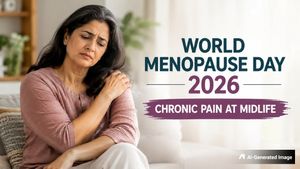 World Menopause Day 2026: Theme, Significance And What Research Reveals About Menopause In India
 -
 Navratri Day 8: Maa Mahagauri Puja, Colour, Rituals And Significance
 -
 Dussehra 2026: The Difference Between Vijayadashami And Ravana Dahan
 -
 Veteran Musician Deva Dies At 75: Life And Legacy Of Thenisai Thendral
 -
 Navratri Fasting Diet: How To Stay Energised And Full Through The Day
 -
 Kavya Maran Wedding In Greece? Date, Venue, and What Is Confirmed
 -
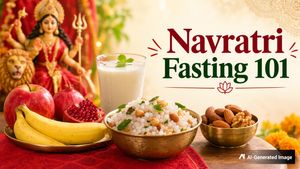 Navratri Fasting 101: What To Eat, What To Skip, And How To Avoid Acidity And Headaches
 -
 Navratri Day 7: Maa Kalaratri Puja, Colour, Rituals And Significance
 -
 Office To Dandiya Nights: One Quick-Change Outfit Formula For Navratri 2026


Deciphering the Harmful Impact of Incense Sticks on Indoor Air Quality
Incense sticks, widely favoured in Indian households, play a significant role in decreasing indoor air quality. Emission of harmful particulates and gases from these sticks can cause serious health conditions such as allergies, respiratory issues, and even lung cancer. It is essential to recognize the dangers posed by incense sticks and opt for safer alternatives such as natural air purifiers and beeswax candles for maintaining healthier indoor air quality.

The use of incense sticks is widely popular in Indian households, often associated with religious rituals and meditative practices. Lighting an incense stick, and reading a book while sipping on a warm cup of lemon tea can be equal to heaven!
However, the role of these fragrant sticks in decreasing indoor air quality is often overlooked.

The Impact of Incense Sticks on Indoor Air Quality
Incense sticks, while imparting aromatic fragrances, emit smoke and particulate matter that deteriorate indoor air quality. Prolonged exposure can lead to significant health issues including respiratory problems and allergic reactions.
The Health Implications of Decreased Air Quality
Indoor air pollutants from incense sticks are the root cause of various health ailments. Particulate matter can penetrate the respiratory tract, causing irritation, allergies, heart diseases, or even lung cancer in extreme cases.

Understanding the Composition of Incense Sticks
The composition of incense sticks includes a variety of materials like resins, herbs, oils and wood powders. As these materials burn, they release potentially toxic particulates, gases, and volatile organic compounds (VOCs) into the air.
Selecting Safe Alternatives to Incense Sticks
The danger posed by incense sticks necessitates the need for safer alternatives. Opt for natural air purifiers, aroma oils, diffusers, or beeswax candles, which are less harmful and maintain good indoor air quality.

Conclusion
In conclusion, as an integral part of our customs and traditions, the use of incense sticks is deep-rooted. However, understanding their adverse effects on indoor air quality and health is equally important. It's high time to weigh the risks and adapt to safer alternatives for a healthier lifestyle.
Disclaimer: The information provided in this article is for general informational and educational purposes only and is not intended as a substitute for professional medical advice, diagnosis, or treatment. Always seek the advice of your physician or a qualified healthcare provider with any questions you may have regarding a medical condition.

 Continue with Google

