




 Click it and Unblock the Notifications


Latest Updates
-
 Navratri Fasting Diet: How To Stay Energised And Full Through The Day
 -
 Kavya Maran Wedding In Greece? Date, Venue, and What Is Confirmed
 -
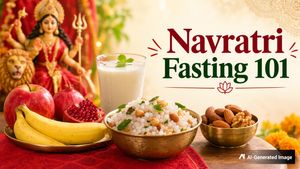 Navratri Fasting 101: What To Eat, What To Skip, And How To Avoid Acidity And Headaches
 -
 Navratri Day 7: Maa Kalaratri Puja, Colour, Rituals And Significance
 -
 Office To Dandiya Nights: One Quick-Change Outfit Formula For Navratri 2026
 -
 As ‘Ranabaali’ Hits Theatres, A Look At Rashmika Mandanna’s ₹1.31 Lakh Ivory Saree For Pre-Release Promotions
 -
 Durga Puja Pandals Mumbai 2026: 7 Stunning Celebrations To Explore From Matunga To Juhu
 -
 World Spine Day 2026: Is Your Phone Habit Causing Neck Pain? What To Know About Tech Neck
 -
 Breast Cancer Awareness Month 2026: Expert Explains Why Family History Isn't the Only Risk
 -
 Skanda Sashti 2026: Significance, Vrat Rituals And How Devotees Observe The Day


Eat If You Dare! Exploring Food Laws Gone Wild Worldwide

Ah! Food-the universal language of love, comfort, and occasional chaos! While we might think of our favourite dishes as mere indulgences, they come wrapped in a complex web of food laws and regulations. Yes, you heard it right. We all know about food etiquette, and it's our responsibility to follow it, especially in public places like hotels and restaurants. But did you know there are some quirky food laws and etiquettes around the world? Some which are funny and some that are too good to be true. Let's find out more, grab your fork and let's dive into the deliciously intricate world of food laws -

Thailand - Are you taking up a fork to put food into your mouth? Stop right there! Thailand brings to you the hardest food etiquette to follow. Here one should transfer food from the fork onto a spoon and then into the mouth. You can also eat with chopsticks if you know how to. If you still decide to eat with a fork, be ready for the frowns on people's faces around you.
France - Do you love ketchup with your pizza? Forget about it! The tasty red tomato ketchup was banned in 2021 at schools. They felt ketchup was more inclined to American culture and was a major threat to all things French.

Russia - Don't drink alcohol? Perhaps you should try it when you travel to Russia because when someone offers you vodka you are not supposed to turn it down. Not just that you are supposed to have it neat, without mixing it with any drinks, that too without ice. When someone offers vodka it symbolises friendship and trust. So take it, even if you don't want to drink it.
Georgia - In Thailand if you are not supposed to put a fork into your mouth while eating, in Gainesville, Georgia you are supposed to use only your fingers to eat fried chicken. More than an etiquette this is a law and having a fried chicken with anything else other than your fingers is considered illegal. Doesn't sound like a hard law for us Indians to follow, right?

Middle East - Talking about having food with your fingers, beware if you are in the Middle East. In Islamic culture, it's considered unhygienic and unclean to eat with your left hand. It's not limited to eating, you are not supposed to even hold your plate with your left hand. So if you are a lefty, take special consideration when you are having your meal with the locals.
Italy - If you like cheese with everything that you eat well cough, cough think about it again. You can't have cheese with seafood in Italy. It is believed that blending the two destroys the flavour of each other. Another law you must follow is that you are not supposed to order chicken with pasta and you should never drink cappuccino after a meal.
These were just few places around the globe with strange food laws or etiquettes, talking about a few more, in Alabama after sundown it's illegal to sell peanuts, in Virginia believe it or not chickens are not supposed to lay eggs before 8am and after 4pm and in Oklahoma take your hand out of another person's hamburger, it won't be tolerated.
So, if you are travelling at any one of these places and eating at a restaurant, do keep these food laws or eat at your own risk!
Disclaimer: The information provided in this article is for general informational and educational purposes only and is not intended as a substitute for professional medical advice, diagnosis, or treatment. Always seek the advice of your physician or a qualified healthcare provider with any questions you may have regarding a medical condition.

 Continue with Google

