




 Click it and Unblock the Notifications


Latest Updates
-
 Hurun India Rich List 2026: Who Are India's 10 Richest And How Much Are They Worth?
 -
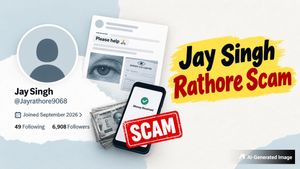 Who Is Jay Singh Rathore? The X User Accused Over A Rs 1.5 Lakh Appeal
 -
 Eye Injury at Home: The Common Things Parents Should Never Put in a Child's Eye
 -
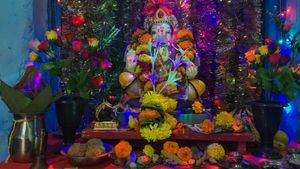 Ganesh Visarjan 2026: What To Do With Puja Flowers And Nirmalya
 -
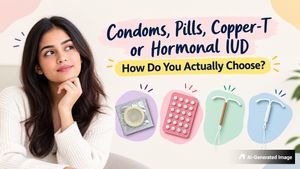 Condoms, Pills, Copper-T or Hormonal IUD: Expert Answers How Do You Actually Choose?
 -
 The Missing Medal: How Mirabai Chanu Finally Completed Her Collection At The Asian Games
 -
 From Corsetry To Crystals: Breaking Down Rashmika Mandanna's Vogue World Gown
 -
 Govt Warns Against Overusing Antibiotics And Painkillers: No Prescription, No Pills
 -
 72nd National Film Awards: Yami Gautam's Message For Outsiders, Mammootty And Dhanush Honoured
 -
 Ayurveda Day 2026: An Expert Explains 7 Food Habits Ayurveda Would Ask You To Rethink


The Right Management Plan For Anxiety During Menopause

Menopause is a point in time when you have gone 12 consecutive months without a menstrual cycle. Perimenopause is the term used to describe the period before menopause.

Symptoms:
- Hot flashes / Heat intolerance
- Sweating
- Palpitation
- Lack of sleep
- Vaginal dryness
- Anxiety or Depression
- Mood swings
- Irritability
But menopause is a natural event. Some women are incapacitated by bothersome symptoms. Not all women require treatment. Around 1/3rd of the lifespan of a woman is spent in the postmenopausal age.
Hence, managing the symptoms and preventing complications should always be considered. Handling anxiety in menopause is the biggest challenge for women in this age group.
Counselling, acceptance and lifestyle modification may suffice for most women. In addition, regular health checkups and follow-ups with your doctor will also help.

Joining support groups
It can be incredibly calming to talk to others who are experiencing menopause. Joining a support group can help you to discuss the various emotions running through your head and also clarifies your doubts and queries.
In addition, keeping yourself engaged in some form of social group activities helps you to develop the self-confidence to take your life ahead independently. Dietary changes will also help such as avoiding hot drinks, especially caffeinated ones and alcohol. You need to reduce the intake of spices and add foods with plant estrogen (ISO flavours) into your diet.
Foods to be included in your diet:
- Soybeans
- Chickpeas
- Lentils
- Flaxseeds
- Grains
- Beans
- Fruits
- Vegetables
Other than that, stop smoking, wear loose-fitting cotton clothes, stay under the fan and open ventilated areas also help. Exercises, especially tranquil types like yoga can also help with your mood and relieve any fear or anxiety you may be feeling.

If none of the above is helping, then consulting with your doctor for prescription medication is advisable.
Speak with your healthcare provider to see if hormonal or non-hormonal medications would work for managing your symptoms. Sometimes, CBT (Cognitive Behavioural Therapy) will also help.
Written by: Dr. Sameena H, Consultant Obstetrics & Gynaecologist, KMC Hospital
Disclaimer: The information provided in this article is for general informational and educational purposes only and is not intended as a substitute for professional medical advice, diagnosis, or treatment. Always seek the advice of your physician or a qualified healthcare provider with any questions you may have regarding a medical condition.

 Continue with Google

