




 Click it and Unblock the Notifications


Latest Updates
-
 Beyond Traditional Venues: How Leisure Destinations Are Changing Festival Celebrations
 -
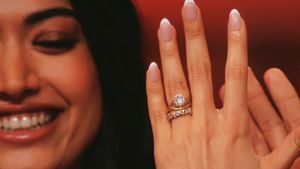 Rashmika Mandanna’s Engagement Ring Stack Features Victorian Diamond And Tiffany Sixteen Stone Band
 -
 450 Get Anti-Rabies Shots After Cow Dies: Can Rabies Spread Through Milk?
 -
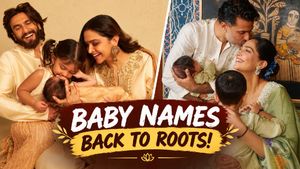 Devi, Vayu, Vamika And More: Why Modern Parents Are Rediscovering Ancient Indian Baby Names, Expert Explains
 -
 Why Blood Sugar Can Remain High Even When You're Taking Medication
 -
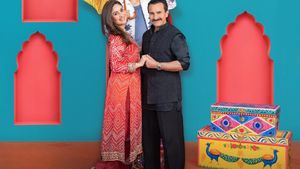 Kareena Kapoor’s Sindoori Red Suit And Saif Ali Khan’s Black Ensemble Are Worth A Style Decode
 -
 Does A Shorter Ingredient List Make Skincare Safer? An Expert Explains
 -
 Airbnb Just Banned Checkout Chores: No More Stripping Beds Or Washing Dishes
 -
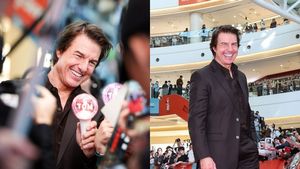 Tom Cruise Lands AFI’s 52nd Life Achievement Award After Honorary Oscar
 -
 Bigger & Better Than Ever: Laxmi & Chef Kunal Kapur Return With ‘Diwali Delights’ Season 2


What Is Leheriya? The Rajasthani Textile Behind Kareena Kapoor's Saree Inspired By Sister Karisma's ‘Zubeidaa’

Kareena Kapoor Khan brought a familiar Indian textile into the spotlight during the promotions of 'Daayra'. The actor stepped out in a pastel-hued Leheriya saree featuring shades of yellow, turquoise, seafoam green and blush pink. The lightweight creation by The Palace Atelier was styled with a delicate diamond choker, matching earrings, soft waves and glowing makeup, allowing the colourful drape to remain the focus.

The saree also carried a nostalgic connection. Its flowing, colourful pattern reminded fans of sister Karisma Kapoor's memorable Leheriya look from the 2001 film 'Zubeidaa'. Kareena herself acknowledged the resemblance by sharing a comparison of the two looks on Instagram, accompanied by 'Zubeidaa's' "Main Albeli" song.
A Nod To Karisma's Zubeidaa Look
While Kareena's saree is not the original costume worn by Karisma Kapoor, the visual similarities are hard to miss. Both looks feature the distinctive movement and diagonal patterns associated with Leheriya, although Kareena's version feels softer and more contemporary.
The connection adds a lovely sisterly layer to what might otherwise have been another celebrity saree moment. It also puts the spotlight on the textile itself, rather than making the story solely about a Bollywood fashion recreation.
What Makes Leheriya So Distinctive?
Unlike a conventional printed saree, Leheriya gets its signature look through tie-dyeing. The fabric is rolled diagonally and tied at intervals before it is dyed. Once the ties are removed, flowing diagonal stripes emerge, creating the wave-like effect that gives the textile its name.
The technique is traditionally associated with Rajasthan and has been used on fabrics including cotton and silk. Today, its colourful patterns can be found on everything from sarees and dupattas to turbans and other garments.
A Textile With Centuries Of History
Leheriya's story goes far beyond its recent Bollywood appearances. Some of the earliest documented Leheriya textile fragments date back to the 17th century, with historical examples featuring colours derived from plants and minerals.
The textile also had strong links with Rajasthan's royal and aristocratic traditions. Rajput rulers used Leheriya for turbans, and historical royal saafas featured distinctive colour combinations and patterns associated with individual royal houses.
Over time, Leheriya moved beyond royal patronage and became part of wider Rajasthani fashion. Its presence today across sarees, dupattas and festive clothing reflects how the craft has evolved while retaining its unmistakable identity.
Leheriya Isn't Bandhani
The two are often mentioned together because both are traditional Rajasthani tie-dye techniques, but their patterns make them easy to distinguish.
Bandhani is known for its tiny tied dots and intricate motifs, while Leheriya is recognised by its elongated, diagonal stripes. Leheriya can also be combined with other tie-dye techniques to create more elaborate patterns.
Why It Still Feels Fashionable Today
Kareena's saree shows exactly why Leheriya continues to work in contemporary wardrobes. The traditional pattern looks fresh in a pastel palette, while the lightweight fabric and minimal styling give it a modern feel.
And that is perhaps the enduring appeal of Leheriya. Karisma's 'Zubeidaa' look gave the textile a memorable Bollywood moment decades ago; Kareena's latest appearance shows that its colourful waves can still feel completely at home in modern fashion.

 Continue with Google

