




 Click it and Unblock the Notifications


Latest Updates
-
 Why Casual Games Are Perfect for Quick Online Play
 -
 World Menopause Day 2026: Theme, Significance And What Research Reveals About Menopause In India
 -
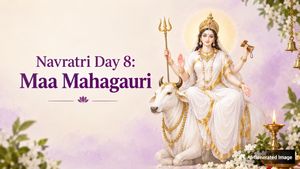 Navratri Day 8: Maa Mahagauri Puja, Colour, Rituals And Significance
 -
 Dussehra 2026: The Difference Between Vijayadashami And Ravana Dahan
 -
 Veteran Musician Deva Dies At 75: Life And Legacy Of Thenisai Thendral
 -
 Navratri Fasting Diet: How To Stay Energised And Full Through The Day
 -
 Kavya Maran Wedding In Greece? Date, Venue, and What Is Confirmed
 -
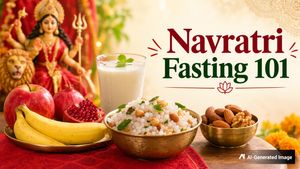 Navratri Fasting 101: What To Eat, What To Skip, And How To Avoid Acidity And Headaches
 -
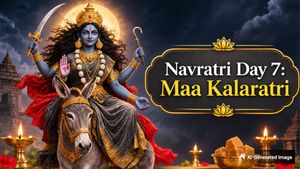 Navratri Day 7: Maa Kalaratri Puja, Colour, Rituals And Significance
 -
 Office To Dandiya Nights: One Quick-Change Outfit Formula For Navratri 2026


Indian attire

Clothes are the portrayal of personality, versatility and style of a person, a mirror that reflects oneself that aids in gaining an insight by delving into one's personality. Clothes to the modern times perform a wider role by enhancing the look, accentuating the style and emphasizing on the persona of the wearer and just not restricting itself to just cloaking and conforming to the age old way of just providing a covering to one's body. India with its multiform culture naturally gives way to a disparate array of attires. So, an Indian woman is exposed to a lot of varieties mixing and merging different styles that lie embedded in the diverse culture of clothing in different parts of the country.
The traditional Indian outfit being the sari represents itself in many a different ways .It is a rectangular piece of material which stretches itself to about six yards long wound around the body with pleats or folds in the front and the rest covering the chest with the final bit flowing behind and worn with a blouse. Saris owe their names to the places where there are weaved ranging from Kancheevaram, Dharmapuram, Arani in the down south to Benaras, Bengal Cotton, Orissa Cotton etc in the north .Orissa cotton saris, Saris are made in silk, cotton, synthetic and other combination of yarns. A Kancheepuram silk sari inevitably serves as the bridal attire in the south presenting itself ethnically as a thick silk with gold zari work bordering the edges and also spreading all over the body. Tradition exposes itself in the making of simple apparels as well as those that exhibit grand, intricate workmanship..
Though sari being the traditional outfit, Salwar kameez satiates the expectations of the young Indians owing to its ease and comfort resulting in the mushrooming of it into many a remote place where fashion is denied an easy entry. Lehnga cholis and Ghagra cholis are other Indian outfits that are flowing skirts with short blouses.Dhupattas are a rectangular piece of cloth that cover the chest and goes along with a Salwar kameez, Ghagra or Lehnga matching the sequence and design of the dress. Eye catching Indian embroidery like the Aari, Zardosi, Kutch and mirror work etc; printing like vegetable printing, hand block printing and screen printing; and dyeing like vegetable dyeing plays the key role in the beauty of the attires.
A wide display in the diversity and variety in choices and designs of the Indian apparels have succeeded in luring the international eyes. Novel creations from the native design studios like a ready wear tailor made sari have made the attire more vulnerable, wearable and succumbing to the ease and comfort of a foreign wearer by retaining the conventional mode as the base. There is none the least to wonder about the success stories of the Indian designers owing to the numerous contributions from the diverse facets of the Indian culture.

 Continue with Google

