Click it and Unblock the Notifications


For Daily Alerts
Popular Categories on Astrology
TRENDING ON YOGA SPIRITUALITY
-
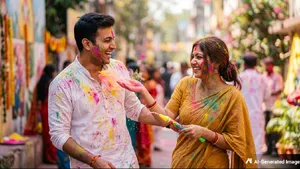 Rang Panchami 2026: Why This Colourful Post-Holi Festival Is Considered Auspicious For Married Couples
-
 Rang Panchami 2026: 7th Or 8th March? Why Holi Celebrations Continue Five Days Later
-
 Happy Birthday Janhvi Kapoor: 'Param Sundari' Actress Climbs 3,550 Steps Barefoot At Tirumala Temple
-
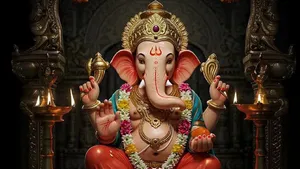 Bhalchandra Sankashti Chaturthi 2026: Why Devotees Wait For Moonrise Before Breaking This Sacred Ganesh Fast
-
 Happy Holi 2026 Wishes: 50+ Colourful Quotes, Messages, Status And Posts For WhatsApp, Facebook And Instagram
-
 Lunar Eclipse 2026 Live: Last Total ‘Blood Moon’ Until 2028 — Check Sutak And Visibility
-
 Holi 2026: 12 Incredible Ways Different States Celebrate the Festival of Colours
-
 Lunar Eclipse 2026: Health, Food, And Pregnancy Myths Debunked
-
 Holi Dos and Don’ts 2026: Astrologer’s Tips For A Positive And Prosperous Year
-
 Holi Muhurat Guide 2026 According To Astrologer: Dates, Ritual Timing, And Lunar Significance