




 Click it and Unblock the Notifications


Latest Updates
-
 Pitru Paksha 2026: Do Ancestors Need Shraddha Rituals? Astrologer Ajit V Khawad Explains
 -
 Fake “Pakistan-Made” Beauty Creams Seized In Maharashtra: What To Know Before Buying Skin-Lightening Products
 -
 OTT Releases This Week (Sept 21-27): What To Watch Across Netflix, JioHotstar, Prime Video, ZEE5 And SonyLIV
 -
 CGM vs Finger-Prick Test: Which Blood Sugar Monitoring Method Is Better?
 -
 Anant Chaturdashi 2026: Why The Anant Sutra Has 14 Knots And How The Festival Is Linked To Ganesh Visarjan
 -
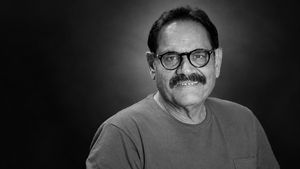 ‘Welcome’ Actor And Comedian Mushtaq Khan Passes Away After Battling Cancer
 -
 World Lung Day 2026: Date, Theme, History, and Significance
 -
 Who Is Adarsh Balak? The 1970s Indian Poster Boy On The London Runway
 -
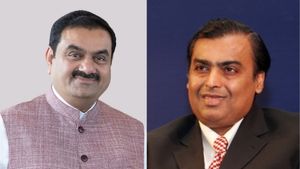 Hurun India Rich List 2026: Who Are India's 10 Richest And How Much Are They Worth?
 -
 Who Is Jay Singh Rathore? The X User Accused Over A Rs 1.5 Lakh Appeal


Yoga For Anxiety (Contd)


Yoga psychology also suggests many techniques for resolving conflicts, including acknowledging and accepting the conflict in all its depth; recognizing the need for some kind of change; resisting the inclination to act out feelings or to do nothing, exploring alternatives, communicating with others without blaming them, accepting feedback from others; using discrimination in accepting or rejecting alternatives, surrendering to necessary losses, acting with determination, accepting outcomes with equanimity, working calmly on a problem even if a negative outcome, or no outcome, seems inevitable, and letting intuition suggest new possibilities. These strategies are derived from what in Yoga are called the Yamas and Niyamas-the attitudes toward life that are the basis of all Yoga practices.
Trianga Mukhaikapada Paschimottanasana :
Trianga means three limbs or parts thereof. In this posture the three parts are the feet, knees and the buttocks. Mukhaikapada corresponds to the face touching one leg. In Paschimottanasana the back of the whole body is intensely stretched.
Technique :
1.Sit on the floor with the legs stretched straight in the front.
2.Bend the right leg at the knee and move the right foot back. Place the right foot at the side of the right hip joint, keep the toes pointing back and rest them on the floor. The inner side of the right calf will touch the outer side of the right thigh.
3.Balance in this position throwing the weight of the body on the bent knee. In the beginning body tilts to the side of the outstretched leg, and the foot of the outstretched leg also tilts outwards. Learn to balance in this position, keeping the foot and toes stretched and pointing forward.
4.Now hold the left foot with both the palms, gripping the sides of the sole if you can then extend the trunk forward and hook the wrists round the outstretched left foot. Take two deep breaths.
5.Join the knees, exhale and bend forward. Rest first the forehead, then the nose next the lips and ultimately the chin of the left knee. To achieve this widen the elbows and push the trunk forward with an exhalation.
6.Do not rest the left elbow on the floor. In the beginning one looses the balance and topples over to the side of the extended leg. The trunk should therefore be slightly bent towards the side of the bent leg and the weight of the body should be taken by the bent knee.
7.Stay in this position from half a minute to a minute, breathing evenly.
8.Inhale, raise the head and trunk, release the hands, straighten the right leg and come to the position.
9.Repeat the pose on the other side, keeping the right leg stretched out on the ground, bending the left knee and placing the left foot by the left hip joint. Stay for the same length of the time on both the sides

 Continue with Google

