




 Click it and Unblock the Notifications


Latest Updates
-
 As ‘Ranabaali’ Hits Theatres, A Look At Rashmika Mandanna’s ₹1.31 Lakh Ivory Saree For Pre-Release Promotions
 -
 Durga Puja Pandals Mumbai 2026: 7 Stunning Celebrations To Explore From Matunga To Juhu
 -
 World Spine Day 2026: Is Your Phone Habit Causing Neck Pain? What To Know About Tech Neck
 -
 Breast Cancer Awareness Month 2026: Expert Explains Why Family History Isn't the Only Risk
 -
 Skanda Sashti 2026: Significance, Vrat Rituals And How Devotees Observe The Day
 -
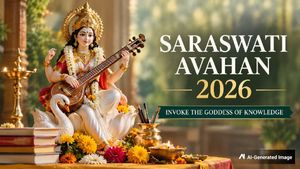 Saraswati Avahan 2026: Significance, Shubh Muhurat, Rituals And Puja Vidhi
 -
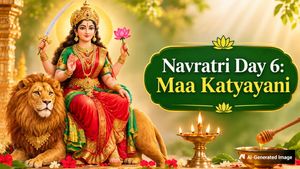 Navratri Day 6: Maa Katyayani Puja, Colour, Rituals, And Significance
 -
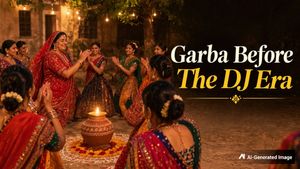 Garba Before The DJ Era: What Navratri Looked Like In Earlier Times
 -
 What Does Indian Design Mean Today? A Creative Director Explains
 -
 Why Your Vision Can Feel Different In Bright And Dim Rooms, Expert Explains


When Exactly Is Kajari Teej 2025, 11th Or 12th August? Check The Tithi Timing And Yogas Here

Kajari Teej also known as Badi Teej or Kajali Teej falls during the monsoon, marking a deeply personal occasion for women across parts of India. Rooted in devotion and seasonal rhythms, it's observed with fasting, prayer, and folk customs. Women, both married and unmarried, take part in rituals that reflect hope, emotional endurance, and shared traditions passed down through generations.

When Is Kajari Teej In 2025?
In 2025, Kajari Teej will be observed on Tuesday, August 12. According to the Vedic calendar, the Tritiya Tithi of Krishna Paksha in the month of Bhadrapada begins at 10:33 AM on August 11 and ends at 8:40 AM on August 12. The main observances will take place on August 12, within the auspicious timeframe suggested by Panchang experts.
Kajari Teej 2025: Why Is It Observed
The festival is based on the story of Goddess Parvati's devotion to Lord Shiva, symbolising inner strength and longing. For married women, the day is observed to pray for their husbands' well-being. For unmarried girls, it's a moment of focused hope for finding a fulfilling life partner, grounded in mutual respect and harmony.
At a deeper level, the festival also celebrates renewal-emotional, spiritual, and seasonal. As the monsoon reshapes the land, Kajari Teej reflects the emotional ebb and flow of life and love.
Kajari Teej 2025: Fasting And Rituals
Women observe a vrat (fast), often without water, from sunrise to moonrise. Devotees prepare for the day by bathing before dawn and dressing in traditional clothes, applying mehndi, sindoor, and bangles. The rituals are carried out with a sense of personal focus rather than public display.
Puja items typically include flowers, grains, turmeric, sandalwood, curd, and offerings like sattu and fruits. The worship often takes place around a neem tree, seen as symbolic of protection and healing. Some households also set up a clay vessel filled with water and milk, in which a lamp is placed.
Kajari Teej 2025: Songs And Seasonal Gatherings
One of the cultural highlights of Kajari Teej is the singing of Kajri folk songs. These are emotional, monsoon-themed verses expressing longing, love, and waiting. Women gather in small groups to sing together, often late into the evening.
In some regions, swings (jhulas) are set up, fairs are held, and small processions take place. But even in urban settings, the spirit of the day continues through private observances, stories, and songs.
Kajari Teej 2025: States Where It Is Celebrated
Kajari Teej holds regional significance in Uttar Pradesh, Bihar, Madhya Pradesh, Rajasthan, and parts of Jharkhand and Haryana. In Rajasthan, the festival is marked by local fairs and traditional processions, especially in Bundi, where cultural events bring together craft stalls, poetry, and folk performances.
In eastern India, especially Bihar and Uttar Pradesh, the focus is more on domestic rituals and songs passed down in families. Each state brings its own rhythm and texture to the day, shaped by local practices.
Astrological Elements In Kajari Teej 2025
According to Vedic astrology, Kajari Teej 2025 aligns with several powerful yogas:
- Sukram Yoga
- Sarvartha Siddhi Yoga (lasting the full night of the festival)
- Shivvas Yoga
These yogas are considered highly favourable for spiritual activities, especially worship of Lord Shiva and Goddess Parvati. Additionally, the alignment of Magha, Purva Bhadrapada, and Uttara Bhadrapada Nakshatras, along with Bava and Balava Karan Yogas, further enhances the significance of ritual prayers on this day.
How It Differs From Other Teejs
Kajari Teej is one of the three major Teej festivals observed during the monsoon and post-monsoon period:
- Hariyali Teej (Chhoti Teej) in Shravan
- Kajari Teej (Badi Teej) in Bhadrapada
- Hartalika Teej, which follows later in Bhadrapada
While Hariyali Teej is marked with outward festivity and greenery, Kajari Teej leans into deeper emotional expression, reflected in the tone of the songs and the nature of the fast.
What Devotees Seek
Beyond the hope for marital happiness or finding a partner, Kajari Teej also carries prayers for children, family welfare, and a sense of emotional anchoring in relationships. Many women describe the fast not as a show of sacrifice, but as a way to connect with something bigger than daily life.

Kajari Teej 2025 offers a moment of stillness, reflection, and tradition in a changing world. Whether through rituals, music, or personal prayer, it remains a meaningful festival for those who observe it not just as a cultural obligation, but as a day of connection with faith, self, and community.

 Continue with Google

