




 Click it and Unblock the Notifications


Latest Updates
-
 Barbara Palvin In Victoria’s Secret Fashion Show Six Weeks After Birth
 -
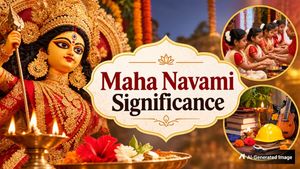 Maha Navami Significance: Why The Ninth Day Of Navratri Matters Most
 -
 Festive FOMO Is Changing Dating Habits, Survey Finds Nearly Half Of Singles Are Delaying Matches
 -
 Tiger Shroff Firing Incident: What Happened In Mumbai's Juhu? Latest Updates
 -
 Eat, Celebrate, Repeat: 6 Ayurvedic Tips To Keep Your Digestion Happy This Navratri 2026
 -
 Breast Cancer Awareness Month 2026: Expert Explains The Emotional Toll Of Breast Cancer
 -
 Navratri 2026 Food Hopping In Delhi NCR: 7 Places To Explore For A Taste Of Festive Flavours
 -
 Why Casual Games Are Perfect for Quick Online Play
 -
 World Menopause Day 2026: Theme, Significance And What Research Reveals About Menopause In India
 -
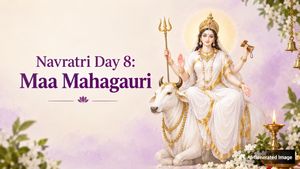 Navratri Day 8: Maa Mahagauri Puja, Colour, Rituals And Significance


What's The Difference Between Mangalsutra And Thali? You’ve Seen Both, But Do You Know What They Truly Mean?

In every Indian wedding, one sacred moment leaves the entire crowd silent - when the groom ties a thread around the bride's neck. It's not just a ritual; it's a heartbeat wrapped in gold and faith. But if you've ever wondered why South Indian brides wear a thali while others wear a mangalsutra, you're not alone.
Both symbolize marriage, but they carry stories rooted in centuries of culture, region, and devotion. One represents spiritual surrender, the other, sacred protection. Yet both whisper the same promise - "I am yours, in body, heart, and soul."

So what really separates a thali from a mangalsutra? Let's explore the meanings beyond the metal, and the emotion behind the ritual.
What Is A Mangalsutra?
In North and West India, a mangalsutra is more than jewelry - it's a living blessing. The word itself means "auspicious thread", symbolizing the divine bond between husband and wife. Traditionally made of black and gold beads, it's believed to protect the couple from evil eyes and negative energy.
Black beads absorb negativity, while gold represents purity and prosperity. Together, they balance material and spiritual energies. Every bead holds the silent prayer that the love between two people stays unshaken, protected, and pure.
Modern brides often wear designer mangalsutras - sleek, diamond-studded, or minimal - but the emotion remains the same: it's a reminder of the moment two souls became one under sacred fire.
What Is A Thali?
In South India, the thali (or tali) is much more than a marital ornament - it's considered the very soul of the marriage. Usually made of gold, the thali's design differs from region to region and even from clan to clan.
For example, in Tamil Nadu, the thali is often shaped like a leaf or features the symbols of Goddess Lakshmi or Shiva and Parvati - the divine couple. Among Kerala's Nair community, it's called minnu, while in Andhra and Telangana, it may carry emblems of family deities.
The thali isn't about beauty - it's about belonging. It signifies the bride's entry into a new spiritual journey, under the blessing of her ancestors and gods. Women believe the thali holds divine protection, and removing it - even temporarily - feels like removing the bond itself.
What Is The Difference Between A Thali And Mangalsutra?
Though the mangalsutra and thali differ in appearance, they spring from the same sacred soil - the belief that marriage is more than companionship; it's a spiritual partnership.
In northern traditions, the mangalsutra is often a modern-day adaptation of ancient protective amulets. In the South, the thali is linked to temple customs, where it was tied to the deity as an offering of devotion - later evolving into a marital symbol.
Both carry shakti - feminine divine energy - uniting two souls under the watch of the gods. The rituals may differ, but the heart behind them beats the same.

What's The Symbolism Behind Wearing It Daily?
To many married women, wearing the thali or mangalsutra isn't about societal expectation - it's about energy. The gold touching the skin, the rhythmic sway against the heart - it's believed to strengthen emotional connection and invite harmony into the home.
It's also a gentle reminder - in good days and bad - of the vows once made before fire, elders, and the divine. Every time a woman touches her thali or mangalsutra, she's subconsciously reaffirming her bond, her resilience, and her love.
So, what's the difference between a thali and a mangalsutra? In design, language, and geography - plenty. But in meaning - none. Both are threads of protection, promises of faith, and circles of eternity.
The mangalsutra says, "I am bound in love."
The thali says, "I am bound by the divine."
And in both, love isn't just declared - it's worn close to the heart, every single day.

 Continue with Google

