




 Click it and Unblock the Notifications


Latest Updates
-
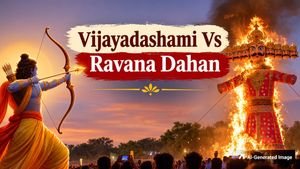 Dussehra 2026: The Difference Between Vijayadashami And Ravana Dahan
 -
 Veteran Musician Deva Dies At 75: Life And Legacy Of Thenisai Thendral
 -
 Navratri Fasting Diet: How To Stay Energised And Full Through The Day
 -
 Kavya Maran Wedding In Greece? Date, Venue, and What Is Confirmed
 -
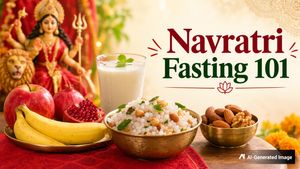 Navratri Fasting 101: What To Eat, What To Skip, And How To Avoid Acidity And Headaches
 -
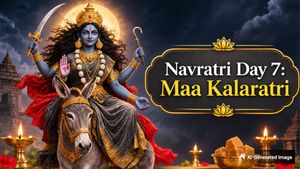 Navratri Day 7: Maa Kalaratri Puja, Colour, Rituals And Significance
 -
 Office To Dandiya Nights: One Quick-Change Outfit Formula For Navratri 2026
 -
 As ‘Ranabaali’ Hits Theatres, A Look At Rashmika Mandanna’s ₹1.31 Lakh Ivory Saree For Pre-Release Promotions
 -
 Durga Puja Pandals Mumbai 2026: 7 Stunning Celebrations To Explore From Matunga To Juhu
 -
 World Spine Day 2026: Is Your Phone Habit Causing Neck Pain? What To Know About Tech Neck


Thirukkural-On Wise Friendship-Kural-445


Soolvaaraichch soolindhu kolal
As the king"s counselors are effectively his own eyes,
He should choose them wisely
K M Balasubramaniam quotes from Diogenes to say that “Wise kings generally have wise counselors, and he must be wise man himself, who is capable of distinguishing one".
One would naturally agree. It certainly needs wisdom of discernment in oneself to identify wisdom of discernment in oneself to identify wisdom in others and to utilize them for one"s own benefit and the benefit of the kingdom. Akbar was not a conventionally learned man, but he was innately wise (Padikaadha maedhai) who could identify wise and great men and gather them around him.
These renderings follow the interpretation of Parimel Azhagar. But Manakudavar and other commentators differ in their interpretations. They would have it that the king should be capable of over-coming by his own 'scheming" (Soolchi) those enemies of his, who 'scheme" against him, physically by force, or otherwise. Obviously valluvar has not intended this.
Pazhamozhi describes an ill-advised king as follows:
“Katraar palaraikk kanaaha illaadhaan" (Palamozhi, 228)

 Continue with Google

