




 Click it and Unblock the Notifications


Latest Updates
-
 As ‘Ranabaali’ Hits Theatres, A Look At Rashmika Mandanna’s ₹1.31 Lakh Ivory Saree For Pre-Release Promotions
 -
 Durga Puja Pandals Mumbai 2026: 7 Stunning Celebrations To Explore From Matunga To Juhu
 -
 World Spine Day 2026: Is Your Phone Habit Causing Neck Pain? What To Know About Tech Neck
 -
 Breast Cancer Awareness Month 2026: Expert Explains Why Family History Isn't the Only Risk
 -
 Skanda Sashti 2026: Significance, Vrat Rituals And How Devotees Observe The Day
 -
 Saraswati Avahan 2026: Significance, Shubh Muhurat, Rituals And Puja Vidhi
 -
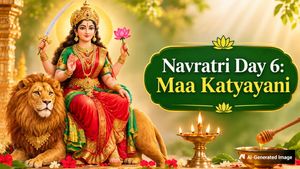 Navratri Day 6: Maa Katyayani Puja, Colour, Rituals, And Significance
 -
 Garba Before The DJ Era: What Navratri Looked Like In Earlier Times
 -
 What Does Indian Design Mean Today? A Creative Director Explains
 -
 Why Your Vision Can Feel Different In Bright And Dim Rooms, Expert Explains


Sawan 2025: Date, Puja Muhurat, And Why Jalabhishek Of Lord Shiva Holds Deep Spiritual Meaning

The arrival of Sawan (Shravan Maas) marks one of the most spiritually powerful months in the Hindu calendar. Dedicated to Lord Shiva, this sacred period is known for devotion, fasting, pilgrimage, and the iconic ritual of Jalabhishek. Sawan 2025 brings with it a wave of spiritual energy, divine rituals, and once-in-a-year puja opportunities you shouldn't miss.
Here's everything you need to know about Sawan 2025's significance, puja timings, and the deep-rooted ritual of Jalabhishek.
When Is Sawan 2025 Starting?
In 2025, Sawan will begin on Friday, July 11, 2025, and end on Saturday, August 9, 2025. There will be four auspicious Shravan Mondays (Somvar Vrats), July 14, July 21, July 28 and August 4.
These Mondays are considered especially sacred for worshipping Lord Shiva, observing fasts, and offering Jalabhishek (sacred water pouring) on the Shivling.
Why Is Sawan So Special In Hinduism?
According to Hindu mythology, it was during the month of Shravan that Lord Shiva drank the poison (halahala) that emerged from the churning of the ocean (Samudra Manthan) to save the world. Since then, devotees dedicate this entire month to honor his sacrifice, strength, and compassion.
Sawan is considered the best time for penance, prayer, and purification of the soul. Devotees observe fasts, chant "Om Namah Shivaya," and participate in pilgrimages like Kanwar Yatra to collect holy Ganga water for Lord Shiva.
Puja Muhurat And Ritual Timings
For each Shravan Somvar, the ideal puja muhurat for Jalabhishek is typically during the Brahma Muhurat (4:00 AM - 6:00 AM) and Pradosh Kaal (just after sunset).
However, specific timings may vary based on your location and panchang. It's advisable to consult your local priest or temple calendar.

Common Puja Samagri Includes:
Water Or Gangajal
- Bel Patra (three-leaf bilva leaves)
- White flowers (no red), sandalwood paste, honey
- Cow's milk, curd, ghee, and sugar (for Panchamrit)
- Bhasm (ash), Rudraksha, and diya
The Power of Jalabhishek: Why Pouring Water On Shivling Matters
Jalabhishek is the act of offering sacred water or milk on the Shivling, and it's not just a symbolic gesture. It's believed that water has cooling properties, and during Sawan, Lord Shiva-being a fiery deity is soothed through this offering. Spiritually, it represents cleansing the ego, desires, and negativities. Devotees often chant "Om Namah Shivaya" as they pour water or Panchamrit on the Shivling, aligning their energy with divine consciousness.
Invite Lord Shiva's Grace
Sawan 2025 is not just about religious rituals-it's about self-reflection, inner peace, and reconnecting with your higher self. Whether you fast, visit a temple, or simply light a diya at home, every offering counts. As Shiva is known to be easily pleased (Bholenath), even the smallest act of faith this month can bring enormous blessings. Har Har Mahadev!

 Continue with Google

