




 Click it and Unblock the Notifications


Latest Updates
-
 Jubin Nautiyal Becomes A Father: Singer Welcomes Baby Boy On Ganesh Chaturthi, Opens Up About Fatherhood
 -
 Kriti Sanon On Patriarchy And Women’s Safety: Why Are Women Conditioned To Police Themselves And Each Other?
 -
 Karan Johar Ends Koffee With Karan: Last Season Streams 14 Oct
 -
 Emotional Permanence: Expert Explains Why Some People Need Constant Reassurance
 -
 The Pill Won't Make You Infertile: 7 Contraception Myths Gynaecologists Still Hear
 -
 Could A Pomegranate Compound Help A Stiff Heart? Study Finds Up To 80% Improvement In Heart Function
 -
 Why Do We Lose Our Appetite When We Are Sick? The Science Explained
 -
 PCOS Awareness Month: Expert Explains Why Your Cycle Can Signal Diabetes Risk
 -
 How to Choose an Edgeband for Kitchens, Wardrobes and Commercial Furniture?
 -
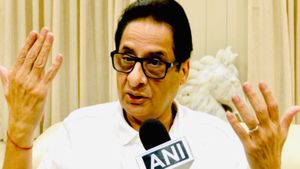 Vashu Bhagnani Hospitalised In London Amid Income Tax Searches — Here’s What We Know So Far


Rohini Vrat 2026: Significance, Rituals, Timings, And Why Many Devotees Take A 3, 5, Or 7-Year Sankalp

Observed mainly in Jain traditions, Rohini Vrat falls on Monday, May 18, in 2026. The vrat is linked with Rohini Nakshatra, considered one of the most auspicious lunar constellations in Vedic astrology. While some devotees observe it once, others take a long-term sankalp and continue the vrat for years. Here is everything you need to know.
Rohini Vrat 2026 Date And Timings
Rohini Vrat in 2026 will be observed on Monday, May 18.
Here are the important timings according to Panchang calculations:
- Rohini Nakshatra Begins: 2:32 PM on May 17, 2026
- Rohini Nakshatra Ends: 11:31 AM / 11:32 AM on May 18, 2026
- Tithi: Shukla Dwitiya
- Sunrise: Around 5:29 AM to 5:45 AM
- Sunset: Around 7:07 PM to 7:15 PM
Note: Minor timing differences may appear across calendars because Panchang calculations can vary slightly by region.

Why Rohini Vrat Is Considered Spiritually Important
Rohini Vrat is not just about fasting from food. The observance focuses heavily on restraint - in thoughts, speech, habits, and actions.
In Jain traditions, the vrat is associated with:
- ahimsa or non-violence
- simplicity
- prayer
- introspection
- self-discipline
Many devotees believe the vrat helps create emotional balance and brings a sense of calm during stressful phases of life. It is also associated with peace within the family, spiritual purification, and reducing negative karma.
The vrat is linked with Lord Vasupujya in Jainism. In Hindu traditions, Rohini Nakshatra is often connected with Chandra Dev and Lord Krishna, which is why many devotees also offer prayers for emotional healing, harmony, and devotion on this day.
Panchang Details For May 18, 2026
According to Panchang data for the day:
- Paksha: Shukla Paksha
- Tithi: Dwitiya until 5:53 PM
- Nakshatra: Rohini until 11:32 AM
- Yoga: Dhriti
- Karana: Kaulava
- Moonrise: 6:23 AM
Some astrologers also note the presence of Sarvartha Siddhi Yoga and Amrit Siddhi Yoga on this day, combinations considered auspicious for prayers, charity, spiritual practices, and new beginnings.
How Devotees Observe Rohini Vrat
The vrat is usually observed with a quiet and minimal approach. Common practices include:
- waking up before sunrise
- taking a holy bath
- wearing simple or white clothes
- fasting through Upvas or Ayambil
- visiting temples
- meditating or chanting mantras
- performing pratikraman or self-reflection
- avoiding anger, gossip, or excess indulgence
- donating food or essentials
Depending on family or sect traditions, devotees may avoid:
- grains
- root vegetables
- spicy foods
- processed foods
- eating after sunset
Some people observe nirjala fasting, while others break the fast later with simple satvik or Jain meals.
Mantras Commonly Chanted During Rohini Vrat
Some devotees chant mantras associated with peace, devotion, and emotional balance, including:
- "Om Somaya Namah"
- "Om Namo Bhagavate Vasudevaya"
- "Om Kleem Krishnaya Namah"
Understanding The 3, 5, And 7-Year Rohini Vrat Sankalp Tradition
This is one of the most talked-about aspects of Rohini Vrat.
Many devotees do not observe the vrat only once. Instead, they take a sankalp - a spiritual commitment to observe Rohini Vrat every month when Rohini Nakshatra appears after sunrise.
Traditionally, this commitment is observed for:
- 3 years
- 5 years
- 7 years
Some traditions also mention 5 years and 5 months as the most ideal duration. The longer the observance, the deeper the spiritual commitment is believed to be. While one person may choose a 3-year vrat as a beginning, others continue for 5 or 7 years as part of a long-term spiritual practice.
What Happens After Completing The Vrat?
After the chosen duration ends, devotees traditionally perform Udyapan or Udyapana, which is the formal conclusion ceremony of the vrat.
This may include:
- special puja
- temple visits
- charity or donations
- feeding people
- prayers dedicated to Lord Vasupujya
Many traditions consider the sankalp incomplete without Udyapan.
What Makes The Rohini Vrat 2026 In May Special
Rohini Vrat 2026 on May 18th arrives immediately after Adhik Chandra Darshan celebrations connected with the first crescent moon sighting during Adhik Maas in some Panchang traditions.
Because of this overlap, many devotees consider this period spiritually charged and especially meaningful for reflection, prayer, and emotional grounding.
Whether someone observes Rohini Vrat 2026 for one day or continues the vrat for seven years, the practice is ultimately about consistency and inner discipline. And perhaps that is why the observance continues to hold meaning across generations.

 Continue with Google

