




 Click it and Unblock the Notifications


Latest Updates
-
 October 2026 Festival Calendar: Pitru Paksha Ends, Navratri Begins, Dussehra Follows
 -
 Pitru Paksha 2026: What To Eat And Avoid, According To Astrologer Gauri Jain
 -
 Guide to Surviving Festive-Season Humidity While Hosting: An Expert Shares Tips on Choosing Fabrics
 -
 Is Your Makeup Causing Breakouts? A Dermatologist Explains
 -
 You Don't Need an MRI for Every Backache: What a Physiotherapist Looks For First
 -
 Who Is Tanya Mishra? The Model-Actress Fans Are Calling A National Crush
 -
 Happy Birthday Ranbir Kapoor: Inside 'Ramayana' Actor's ₹250 Crore Krishna Raj Home Built Around Kapoor Legacy
 -
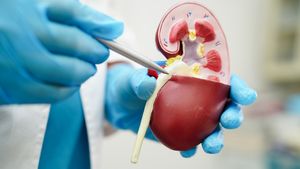 Kidney Transplant Rejection Can Be Silent. Here Is How Doctors Catch It
 -
 Dwitiya Shraddha 2026: What Makes This Pitru Paksha Day Significant For Honouring Departed Ancestors
 -
 What Virat Kohli's 15,000 ODI Runs Reveal About Staying Fit After 35


Adhik Chandra Darshan 2026: Everything About First Crescent Moon During Adhik Maas

Adhik Chandra Darshan 2026 is expected around 17 May 2026, during the beginning of the rare Adhik Maas that occurs once every few years in the Hindu calendar. It is not a separate festival but a lunar visibility event marking the first crescent Moon after Amavasya, symbolising the start of a new lunar phase within this special month.
What Adhik Chandra Darshan Actually Means
Adhik Chandra Darshan is the first visible crescent Moon sighting during Adhik Maas.

To break it down:
- Chandra Darshan means seeing the Moon for the first time after Amavasya (new moon night)
- Adhik Maas is an extra lunar month added every 32-33 months to align lunar and solar cycles
- When both overlap, that first Moon sighting is referred to as Adhik Chandra Darshan
In simple terms, it is the Moon's first appearance during a spiritually significant "extra month."
When Adhik Maas 2026 Takes Place
For 2026, Adhik Maas is expected to run:
- Start: 17 May 2026
- End: 15 June 2026
This is the window where Adhik Chandra Darshan naturally occurs, depending on when the Moon becomes visible after Amavasya in your region. The first visible crescent Moon around this period especially just after the start of Adhik Maas is considered the most relevant moment.
The Timing Of Chandra Darshan In 2026
Chandra Darshan is always tied to visibility, not just a fixed clock time.
In 2026:
- The first major Chandra Darshan linked with Adhik Maas begins around 17 May 2026 evening
- The Moon is typically seen shortly after sunset, when the sky is still bright enough for a thin crescent to appear
- Visibility depends on weather, horizon clarity, and local conditions
This is why different regions may experience the sighting slightly differently, even on the same day.
Why Adhik Chandra Darshan Feels Spiritually Important
Across traditions, the Moon is seen as a symbol of the mind-its calmness, fluctuations, and emotional balance. Chandra Darshan is often treated as a moment to reset that inner rhythm after Amavasya.
When it comes during Adhik Maas, the significance deepens because this extra month is considered a time for reflection, devotion, and slowing down from routine distractions.
- People often associate this phase with:
- Mental clarity after emotional heaviness
- A calmer mindset entering a new lunar cycle
- A sense of renewal without dramatic rituals
Adhik Maas itself is traditionally linked to simple living, prayer, and introspection rather than elaborate celebrations.
How People Observe Adhik Chandra Darshan 2026
- Fasting until the Moon is sighted
- Stepping outside after sunset to view the crescent Moon
- Offering water, rice, or milk as a symbolic gesture
- Chanting simple prayers or mantras like "Om Somaya Namah"
- Giving small acts of charity if it aligns with personal practice
A Moment Tied To Observation
Unlike larger festivals with defined rituals, Adhik Chandra Darshan is quieter in structure. It depends on something very basic-actually seeing the Moon. That makes it less about ceremony and more about attention.
It also reminds people how closely traditional calendars stay tied to natural cycles. The Moon doesn't follow human schedules, and this moment reflects that relationship directly.
Adhik Chandra Darshan 2026 is essentially a small but meaningful lunar moment within Adhik Maas-the first visible crescent Moon appearing around 17 May 2026. It carries significance because it marks a transition: from darkness after Amavasya to the first visible sign of light in the lunar sky.
For many, it becomes a simple pause in the day-stepping outside, looking up, and noticing something that's always there, but not always seen.

 Continue with Google

