




 Click it and Unblock the Notifications


Latest Updates
-
 Barbara Palvin In Victoria’s Secret Fashion Show Six Weeks After Birth
 -
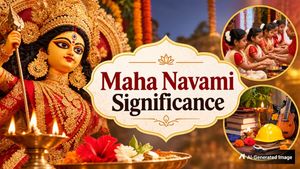 Maha Navami Significance: Why The Ninth Day Of Navratri Matters Most
 -
 Festive FOMO Is Changing Dating Habits, Survey Finds Nearly Half Of Singles Are Delaying Matches
 -
 Tiger Shroff Firing Incident: What Happened In Mumbai's Juhu? Latest Updates
 -
 Eat, Celebrate, Repeat: 6 Ayurvedic Tips To Keep Your Digestion Happy This Navratri 2026
 -
 Breast Cancer Awareness Month 2026: Expert Explains The Emotional Toll Of Breast Cancer
 -
 Navratri 2026 Food Hopping In Delhi NCR: 7 Places To Explore For A Taste Of Festive Flavours
 -
 Why Casual Games Are Perfect for Quick Online Play
 -
 World Menopause Day 2026: Theme, Significance And What Research Reveals About Menopause In India
 -
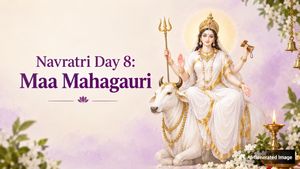 Navratri Day 8: Maa Mahagauri Puja, Colour, Rituals And Significance


Pitru Paksha 2025: Do Ancient Traditions Restrict Physical Intimacy Between Couples During This Period?

Pitru Paksha, also known as the fortnight of ancestors, is one of the most spiritually significant periods in the Hindu calendar.
Falling during the waning phase of the moon in the month of Bhadrapada (usually September-October), it is dedicated to offering shraddha and tarpan rituals to departed souls. This time is believed to create a divine link between the living and the ancestral realm, ensuring blessings and liberation for forefathers.

But Pitru Paksha is not only about rituals and food offerings. It also comes with strict lifestyle guidelines. Among the most debated of these is whether married couples should abstain from physical intimacy during this period.
Ancient texts and cultural practices provide multiple reasons behind this restriction, ranging from spiritual purity to honoring the sanctity of the fortnight.
This year Pitru Paksha will be observed from 8 September to 21 September 2025. Below, we explore five key reasons why intimacy is discouraged during Pitru Paksha, according to traditional beliefs.
1. Spiritual Purity And Focus On Ancestors
Pitru Paksha is a sacred time reserved for remembering ancestors and praying for their peace. Physical intimacy is seen as a worldly, desire-driven act that distracts from the solemn purpose of the fortnight. Ancient traditions emphasize mental clarity and purity, suggesting that couples should focus on rituals, prayers, and meditation instead of physical indulgence. The underlying belief is that honoring the ancestors requires a temporary suspension of personal pleasures.
2. Restriction Rooted In Dharma Shastras
Hindu scriptures, including certain Smritis and Puranas, indirectly discourage sexual relations during ritual observances like Pitru Paksha. These texts advise individuals to maintain self-discipline and practice brahmacharya (celibacy) during sacred days, so that the mind is not clouded by desires. According to these traditions, maintaining discipline ensures that the offerings to ancestors are made with sincerity and undivided focus.
3. Belief In Energetic Imbalance
Many ancient philosophies hold that during Pitru Paksha, cosmic energies shift toward ancestral connections. It is believed that engaging in physical intimacy during this period disrupts the balance of these energies. Ritual purity is thought to allow a smooth flow of blessings from ancestors to descendants, whereas indulgence in physical pleasures might weaken that link. This belief, though symbolic, reinforces the idea of maintaining restraint.
4. Symbol Of Respect Toward Ancestors
Pitru Paksha is all about paying respect to those who came before us. Culturally, it is considered inappropriate to indulge in pleasures like sexual intimacy during a period meant for solemn remembrance. Just as festivals demand joyous celebrations, Pitru Paksha demands restraint and reverence. Couples choosing celibacy during this time are seen as expressing symbolic respect toward their ancestors' memory.
5. Lifestyle Restrictions During Pitru Paksha
Traditionally, Pitru Paksha comes with several restrictions: avoiding new ventures, refraining from auspicious ceremonies, not buying new clothes, and even following dietary limitations. The restriction on intimacy is seen as part of this larger framework of restraint. Just as families avoid celebrations during these 16 days, they also avoid indulgences that could symbolically overshadow the sacred rituals being performed.
The restriction on intimacy between couples is not about condemnation but about channeling energies toward spiritual duties. For many, it is a period of sacrifice and self-discipline that highlights devotion to family lineage and respect for the departed.
So, whether one follows these customs strictly or adapts them to modern life, the essence of Pitru Paksha remains the same - honoring ancestors with sincerity, discipline, and reverence.

 Continue with Google

