




 Click it and Unblock the Notifications


Latest Updates
-
 OTT Releases This Week (October 12–18): What To Watch On Netflix, Prime Video, JioHotstar And ZEE5
 -
 Kanya Pujan During Navratri 2026: Astrologer Gauri Jain On Significance, Rituals And Dussehra Traditions
 -
 Durga Puja Pandals In Noida 2026: 7 Best Spots to Visit, From Grand Themes to Community Celebrations
 -
 ‘Breaking Bad’ Actor RJ Mitte Passes Away At 34: ‘Finite Amount Of Time’ Words From Final Interview Resurface
 -
 Who Was Madhu Kambikar? Marathi Actress Who Took Lavani To Wider Audiences Passes Away At 73
 -
 International Day for Disaster Risk Reduction 2026: Why Disaster Preparedness Must Begin At Home
 -
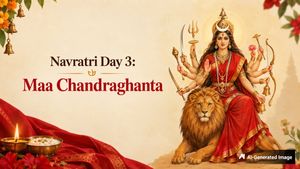 Navratri Day 3: Maa Chandraghanta, Puja, Rituals, Colour, Significance, And Things To Do
 -
 World Thrombosis Day 2026: Understanding Blood Clot Risks In Women And Their Warning Signs
 -
 Anoushka Shankar Brings Her Global Musical Identity To Zoya’s Spice-Inspired High Jewellery Campaign
 -
 Can A Healthy 25-Year-Old Get Lymphoma? Here Is What To Know


Navratri Day 4: Maa Kushmanda Puja, Colour, Rituals And Significance

Temples across India will turn royal blue on Wednesday, 14 October, as devotees observe Navratri Day 4 and worship Maa Kushmanda, the fourth form of Goddess Durga.
The day falls on Chaturthi and is dedicated to the goddess whose name translates to "cosmic egg", believed to spread warmth and energy to all. It follows the worship of Maa Chandraghanta on Day 3 and leads into Maa Skandamata on Day 5, each form marking a different stage of the nine-night journey.

The Goddess Who Smiled The Cosmos Into Being
The name Kushmanda is built from three Sanskrit words: ku (little), ushma (warmth) and anda (egg). According to belief, when darkness filled the void, her gentle smile released the first spark of creation. She is said to live within the Sun, which is why she is linked with light and vitality. Devotees also associate her with the Anahata, or heart, chakra, and pray to her for good health, strength and prosperity.
Her iconography is striking. She has eight arms and rides a lion, carrying a lotus, bow, arrow, discus, mace, water pot, a jar of nectar and a rosary.
Royal Blue Takes The Day
Each day of Navratri carries a colour, and the shade listed for the fourth day this year is royal blue. The colour is commonly associated with richness and tranquillity. Devotees typically dress in the day's colour for the puja and temple visits. Colours follow the weekday, so some regional calendars may differ, but royal blue is the shade most widely listed for Wednesday.
Navratri Day 4 Puja Vidhi, Step By Step
Chaturthi begins at 11:28 pm on 13 October and ends at 1:13 am on 15 October, though timings shift by city. Most households worship in the morning.

- Bathe early, wear fresh royal blue clothes and clean the puja space.
- Pay respects to the kalash installed on the first day, then light a diya before the idol or picture of Maa Kushmanda.
- Offer red flowers, traditionally hibiscus, along with fruit and malpua, the bhog associated with the fourth day.
- Chant the mantra: Ya Devi Sarvabhuteshu Kushmanda Rupena Samsthita, Namastasyai Namastasyai Namastasyai Namo Namah.
- Close with aarti and share the prasad.
What Devotees Do Through The Day
Many keep a Navratri fast built around fruit, milk, sabudana and kuttu or singhara flour, avoiding onion, garlic, regular grains and non-vegetarian food. Those fasting should stay hydrated and avoid long gaps between meals, and anyone with a medical condition should check with a doctor first.
Others visit a temple, read the Durga Saptashati or Durga Chalisa, and share prasad with neighbours and friends.
Navratri Day 4 asks for little: a clean corner, a lit diya and a few quiet minutes. In a tradition that credits a smile with creating the universe, Maa Kushmanda's day is a reminder that energy begins with warmth, not grandeur.

 Continue with Google

