




 Click it and Unblock the Notifications


Latest Updates
-
 Bigg Boss 20 Eviction Alert: No Elimination, Two Wild Cards Enter
 -
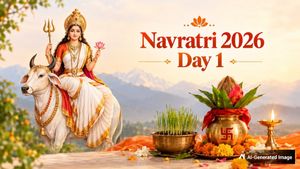 Navratri 2026 Day 1: Maa Shailputri Puja, Ghatasthapana Muhurat, Colour, And Significance
 -
 World Mental Health Day 2026: Why ‘Just Talk To Someone’ Isn’t A Student Mental Health Strategy
 -
 World Mental Health Day Special: People Share The Hurtful Words They Still Remember, And Experts Explain Why
 -
 World Mental Health Day 2026: How Indian Families Can Replace ‘Log Kya Kahenge?’ With ‘How Can We Help?’
 -
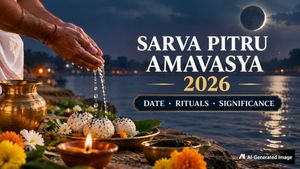 Sarva Pitru Amavasya 2026: Date, Significance, Rituals And How To Observe The Day
 -
 Navratri 2026: Vastu Consultant Gauri Jain Shares 9 Vastu Tips To Prepare Your Home Before Ghatasthapana
 -
 World Mental Health Day 2026: Is Saying No At Work Good For You?
 -
 World Mental Health Day 2026: Is It Time To Switch Off After Work?
 -
 Google Trends: What Indians Are Googling, Watching And Impulse-Buying This Festive Season


Mahalaya 2026: How Kolkata Is Celebrating The Start Of Durga Puja

Long before sunrise on Saturday, 10 October, Kolkata was already awake. The Mahishasuramardini broadcast, a recital that has opened Durga Puja for the city since 1931, plays at 4 AM on Mahalaya morning.

By daylight the scene moved to the river. Devotees performed tarpan on the banks of the Ganga in Kolkata to pay homage to their ancestors on the last day of Pitru Paksha. By evening, the city turns to Eden Gardens, where the state government is staging a mega Mahalaya show. Mahalaya 2026 is both a goodbye and a welcome, and Kolkata marks both on the same day.
What Mahalaya Means
Mahalaya is the Amavasya that closes Pitru Paksha, the fortnight of ancestral offerings, and it is also the day Bengalis believe Goddess Durga begins her journey to earth. Devi Paksha, the fortnight of the Goddess, begins from here.
In Bengali tradition, this is the moment Maa Durga leaves her home in Kailash and sets out for her parental home on earth. It is why the day carries a mix of grief and anticipation, and why homes start preparing for the festival.
It is also worth knowing what Mahalaya is not. The puja rituals themselves begin on Shashthi, which falls on 16 October this year, so Mahalaya works more like a countdown. Navratri begins tomorrow, and Vijayadashami is on 20 October.
At The Ghats: Tarpan On The Hooghly
The first ritual of the day is tarpan, an offering of water and black sesame to departed ancestors. It is best performed early in the morning on a riverbank, and thousands gather at the Hooghly ghats in Kolkata.
Babughat, Bagbazar Ghat, Ahiritola Ghat, Princep Ghat and Dakshineswar are among the places where the ritual can be seen. For families who cannot travel, tarpan can be done at home, with no priest, just water, sesame and remembrance of the ancestors.
The Amavasya tithi runs until about 9.19 pm tonight, so the rites can be done through the day.
The Voice That Wakes The City
For many Bengalis, Mahalaya begins with a voice. Birendra Krishna Bhadra recites verses from the Chandi and tells the story of Durga's descent, and his recorded voice remains the core of the programme. The recital is about 90 minutes long, and many families still gather around the radio or stream it online.
The story it tells is the legend of Mahishasuramardini, the Goddess who defeats the buffalo demon Mahishasura. She is the form that gives Devi Paksha its meaning.
Chokkhu Daan In Kumartuli
North Kolkata's idol-makers have their own Mahalaya ritual. In Kumartuli, artisans traditionally paint the eyes of the Goddess on the idols on this day, a ritual called chokkhu daan. The image has been taking shape for months, but the eyes open only on Mahalaya. Until the eyes are painted, the idol is not considered complete.
What To Expect Next
The mood in the city shifts by evening. For the tarpan, plain white or light clothes are traditional, and Bengali families often move into red and white as the day turns towards Durga Puja. Pandals, lights and idol deliveries will build up over the next six days.Tonight
At Eden Gardens: Dhakis, Drones And Fireworks
The biggest public event of the day is the Mahalaya programme at Eden Gardens, organised by the West Bengal government. According to a report published on 8 October, preparations are underway for an audience of about 45,000 people from across the state.
The headline attraction is a mass performance by about 10,000 dhakis, joined by around 1,000 women playing conch shells. Another report described the show as a large public cultural production, though entry to the stadium is restricted to invitees.
The sky is part of the show too. Government planning papers describe 3,000 drones flying together to form the face of the goddess in points of light. Laser and projection mapping will depict Maa Durga as Mahishasuramardini, followed by fireworks.
The evening also features music. Performers named in reports include Shantanu Moitra, Shaan, Lagnajita Chakraborty, Antara Mitra and Kaushiki Chakraborty, along with folk band Dohar and Baul and Bhatiyali artists. For those without invitations, the programme will be shown on large LED screens at more than 35 locations in the city.
Exiled author Taslima Nasreen, who arrived in Kolkata this week, said she is eager to attend the event.

 Continue with Google

