




 Click it and Unblock the Notifications


Latest Updates
-
 Breast Cancer Awareness Month 2026: Expert Explains The Emotional Toll Of Breast Cancer
 -
 Navratri 2026 Food Hopping In Delhi NCR: 7 Places To Explore For A Taste Of Festive Flavours
 -
 Why Casual Games Are Perfect for Quick Online Play
 -
 World Menopause Day 2026: Theme, Significance And What Research Reveals About Menopause In India
 -
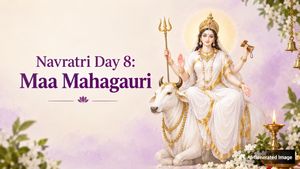 Navratri Day 8: Maa Mahagauri Puja, Colour, Rituals And Significance
 -
 Dussehra 2026: The Difference Between Vijayadashami And Ravana Dahan
 -
 Veteran Musician Deva Dies At 75: Life And Legacy Of Thenisai Thendral
 -
 Navratri Fasting Diet: How To Stay Energised And Full Through The Day
 -
 Kavya Maran Wedding In Greece? Date, Venue, and What Is Confirmed
 -
 Navratri Fasting 101: What To Eat, What To Skip, And How To Avoid Acidity And Headaches


Hindu Temples - Know The Spiritual Significance And Symbolism

Hindu temples are symbolically built in a certain way bearing in mind the spiritual significance. The Hindu temples' architecture is backed by certain facts and spiritual truth. Let's explore the significance and symbolism of the Hindu temples.
Spiritual Significance of Hindu temples
The three passages or the bodies
The very construction of Hindu temples depict one's progress towards Self realisation or Moksha (liberation). There are three passages around the sanctum sanctorum or the innermost shrine where the deity is. The outermost passage at the entrance of the temple is wide and open.

Within the outer passage is another one with a roof covered within which there is yet another covered passage, the one encircling the sanctum sanctorum. Thus there are three passages which depict the gross body, the subtle body, and the causal body, encircling the innermost shrine or the sanctum sanctorum, where the deity is. The gross body is the physical body, the subtle body is the body of the mind and the vital energies and the causal body is the cause or the seed of the subtle and the gross body.
A person generally identifies himself with the gross body, which deals with the external world, which is depicted by the open passage. He then progresses towards the next passage, which represents his subtle body, which consists of desires and thoughts and then proceeds further within to the causal body, his vasanas or impressions, which is the seat of ignorance before reaching the sanctum sanctorum. A seeker or a pilgrim will thus have to go beyond these to the innermost shrine, which houses the deity.
The vision of the Lord in the Sanctum Sanctorum
The person then reaches the innermost shrine, the sanctum sanctorum, which is dark and where one can hardly make out the deity. The lamp burning in the sanctum indicates wisdom. The priest who symbolises the Guru, lights the camphor from the lamp of wisdom and waves the light of wisdom at the deity for the pilgrim or the seeker to have the right or the complete knowledge or the truth of the Lord.
Symbolic significance of the camphor
The camphor symbolises the human personality which is nothing but his vasanas or impressions that determines his nature. They give out his personal fragrance according to his vasanas or impressions. When the vasanas or the impressions are eliminated, what remains is the Atman or the true Self like the camphor that burns away leaving just the fragrance.
Let's thus have a clear vision regarding the significance and symbolism of Hindu temples when we visit one.

 Continue with Google

