




 Click it and Unblock the Notifications


Latest Updates
-
 Who Is Captain Smit Machchhar? The Pilot Who Fought Back Mid-Air on Flydubai FZ1073
 -
 Toys For Kidults And ToyTrends: Inside The Spielwarenmesse 2027 Preview
 -
 How Do You Tell Normal Stress From Something More Serious? Expert Explains
 -
 International Coffee Day 2026: 7 Ways To Make Your Morning Coffee Healthier Without Losing Taste
 -
 Why Do People with Diabetes Feel Hungry Even After Eating?
 -
 Throwback Thursday: Before The Headlines, Govinda Was Every 90s Kid’s Favourite Bollywood Entertainer
 -
 Why Monsoon Is Not The Time To Skip Childhood Vaccinations? Expert Weighs In
 -
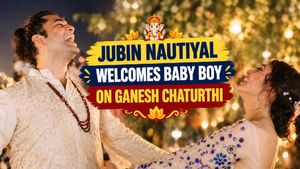 Jubin Nautiyal Becomes A Father: Singer Welcomes Baby Boy On Ganesh Chaturthi, Opens Up About Fatherhood
 -
 Kriti Sanon On Patriarchy And Women’s Safety: Why Are Women Conditioned To Police Themselves And Each Other?
 -
 Karan Johar Ends Koffee With Karan: Last Season Streams 14 Oct


Snana Yatra Of Lord Jagannath 2022: Date, Time, Puja Rituals, And Celebrations

An interesting array of services, of which Snana yatra or Deva Snana Purnima or Mancha Snana offered engages your attention. Lord Balabhadra and Goddess Subhadra also are worshipped alongside. Out of the twelve major festivals, this Snana yatra takes the most prominent place.

Due to the Coronavirus outbreak, devotees are not encouraged to approach the temple, and only administrators and security personnel take the responsibility of arranging and celebrating the yatra. Procession and pujas are broadcasted via television for devotees. Here is a detailed account of the actual rath yatra that used to be carried out in a traditional manner all these years. Scroll down the article to get detailed information on the Snana yatra of Lord Jagannath.

Snana Yatra 2022: Date And Time
Deva Snana Purnima or Snana Yatra of Jagannath is on Tuesday, 14 June 2022.
Snana Yatra 2022: Puja Rituals And Worship Method
On the early morning of Snana yatra, the gods are taken out of their sanctum santorum to snana bedi, in the pahandi. A procession is also taken out towards the golden well ( Suna Kua) to fetch 108 pitchers of herbal and aromatic water from the well that is sanctified with Haldi (turmeric), Java (whole rice), Sandal (Chandan), flowers, and perfumes.
Everyone is cautioned to keep their mouths covered as even the breath may contaminate the purity of gods. The water-filled pots are carried from Bhoga Mandap to the bathing altar in a single-line queue. The pahandi or procession is usually accompanied by drums and music that resonates in the hearts of every Puri devotee.
Vedic mantras and sankeertans and sounds from the conches are echoed with shrieks of joy and cheer from devotees. The Snana Bedi displays traditional paintings of trees gardens etc on it. Flowers are showered over the deities, and aarti with dhupa (incense), and diyas are lit as well. It is now the turn of the famous 'Jalabhisheka'or water bath that is accompanied by chants, stotras, and conch sounds, and the deities are showered with the holy water from all the 108 pitchers which are shared equally between the gods. In the evening, the male deities are dressed up in the elephants' attire and Subhadra in the attire of lotus.
Lord Jagannath's idol, due to incessant watering by the Archakas, gets discolored. So, to present him in the best way possible to the devotees, Jagannath is decked in an elephantine attire and Subhadra in a lotus attire, and they are led into the 'Anasara Ghara' (quarantine room). This is the anasara period or the period of isolation for the deities.
After the snana yatra, for the next 15 days, deities are hidden from the public view as they are more susceptible to cold and fever. So, a special sick room called Ratan Vedi is arranged for the deities so that they recoup quickly. During Anasara (the sick days) the deities are treated with a blend of fruits and water mixed with cheese and Dasamula medicines that are administered by the King's physician for fever.
A day before the rath yatra, on the Netrotsav day, the deities reemerge from their imposed quarantine in all their glory and splendour to bless devotees with their darshan and this day is aptly referred to as navayouvanotsava ((festival of the springing youth)) Snana yatra is not only held at the Puri Jagannath mandir, but also at various other places all over Odisha at a lesser level of pomp.

Snana Yatra 2022: Celebrations
During summer, on the Jyestha Poornima day, the holy trinity along with Sudarshan, leaves the gem-studded singhasan for a holy bath, in the "Bahara Bedha " of the temple. Devotees throng to get a darshan of the lord at this time as it is a very grand event. The three gods are given a bath out in the open on the Snana Bedi, (bathing altar) amidst the reverberating chants from the surrounding devotees. Darshan of gods especially on this day cleanses the onlooker of the sins of past and present lifetimes. Skanda Purana says that it was indradyumna who arranged for the bath for the gods when he got them installed.
Disclaimer: The information is based on assumptions and information available on the internet and the accuracy or reliability is not guaranteed. Boldsky does not confirm any inputs or information related to the article and our only purpose is to deliver information. Kindly consult the concerned expert before practising or implementing any information and assumption
Image sources: Wikimedia Commons

 Continue with Google

