




 Click it and Unblock the Notifications


Latest Updates
-
 Eat, Celebrate, Repeat: 6 Ayurvedic Tips To Keep Your Digestion Happy This Navratri 2026
 -
 Breast Cancer Awareness Month 2026: Expert Explains The Emotional Toll Of Breast Cancer
 -
 Navratri 2026 Food Hopping In Delhi NCR: 7 Places To Explore For A Taste Of Festive Flavours
 -
 Why Casual Games Are Perfect for Quick Online Play
 -
 World Menopause Day 2026: Theme, Significance And What Research Reveals About Menopause In India
 -
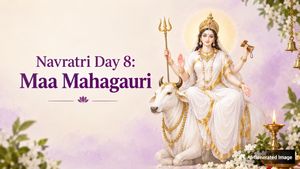 Navratri Day 8: Maa Mahagauri Puja, Colour, Rituals And Significance
 -
 Dussehra 2026: The Difference Between Vijayadashami And Ravana Dahan
 -
 Veteran Musician Deva Dies At 75: Life And Legacy Of Thenisai Thendral
 -
 Navratri Fasting Diet: How To Stay Energised And Full Through The Day
 -
 Kavya Maran Wedding In Greece? Date, Venue, and What Is Confirmed


Rituals & Customs Of Ramzan

One of the most popular practice of Islam is fasting during the holy month of Ramadan or Ramzan. Almost all the followers of Islam observe the Ramzan fast from sunrise to dawn for a month. The Ramzan fast is said to connect a person to God and get away from the temptations of Satan.
The Ramzan fast is observed in the honour of Prophet Mohammed. He was the 'Chosen One', through whom God had planned to spread the true light of knowledge. The Quran was revealed to Mohammad during this month.This is the reason why people observe fast during Ramzan and abstain from all evil deeds.

Ramzan fast is done by observing restraint from food and drinks with one's own free will. Abstinence must be from all hte other acts as well, which are considered negative. This includes all kinds of addictions, sex and anything which considered immoral for a human being.
Like every religion has its own rituals and customs for various observances, Islam has also listed out a few rituals which have to be followed meticulously while fasting during Ramadan. These rituals are not only the guidelines for prayers but also how the fast should be started and how it should be broken. Every ritual has a meaning and a purpose behind it.
Take a look at the rituals of Ramadan.
Suhoor
Sehri or Suhoor is the first ritual which is observed early in the morning. Sehri is the first morning meal which should be taken at a particular time before beginning the fast. Sehri is said to the blessed food which allows the person to fast without causing any harm to his health.
Reciting The Dua
After consuming the Sehri, a person must recite dua which is a prayer in the name of God.
Fasting Throughout The Day
After that the person must observe a strict fast throughout the day without food and water. The person must also refrain from all his/her addictive habits while he/she is observing the fast.
Offering Prayers
The person has to offer prayers during the day and recite the verses from the holy Quran.
Prayer At Dusk
At dusk, the person has to offer namaz before breaking his fast.
Breaking The Fast
After offering prayers, the person has to break his/her fast by drinking water and consuming halal dates.
Iftar
After breaking the fast, the person can feast of the Iftar meal which consists of various delicacies. The food has to be strictly halal if it is a non vegetarian dish. It is recommended to break the fast with sweet food such as sugar, halva, raisins, rock candy and milk or water.
Fasting is of immense importance in the modern times when man has fogotten that it is God who has made life possible on the Earth. Man therefore, has started taking everything for granted. Abstaining from food and water, a man realizes the need to preserve them alon with realizng the beauty of the God who created these basic requirements of life. Fasting teaches us penace, sacrifice self control. It purifies the body, mind as well as the soul of the observer, bringing him closer to the almighty, the Superpower.

 Continue with Google

