




 Click it and Unblock the Notifications


Latest Updates
-
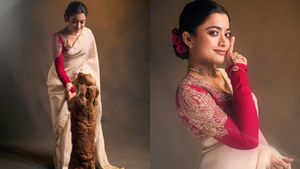 As ‘Ranabaali’ Hits Theatres, A Look At Rashmika Mandanna’s ₹1.31 Lakh Ivory Saree For Pre-Release Promotions
 -
 Durga Puja Pandals Mumbai 2026: 7 Stunning Celebrations To Explore From Matunga To Juhu
 -
 World Spine Day 2026: Is Your Phone Habit Causing Neck Pain? What To Know About Tech Neck
 -
 Breast Cancer Awareness Month 2026: Expert Explains Why Family History Isn't the Only Risk
 -
 Skanda Sashti 2026: Significance, Vrat Rituals And How Devotees Observe The Day
 -
 Saraswati Avahan 2026: Significance, Shubh Muhurat, Rituals And Puja Vidhi
 -
 Navratri Day 6: Maa Katyayani Puja, Colour, Rituals, And Significance
 -
 Garba Before The DJ Era: What Navratri Looked Like In Earlier Times
 -
 What Does Indian Design Mean Today? A Creative Director Explains
 -
 Why Your Vision Can Feel Different In Bright And Dim Rooms, Expert Explains


Rules For Puja Room, Puja Altar And Puja Aasan (Sitting Posture) To Follow For Desired Results


Usually, in India, most homes have a separate room dedicated to the deities and some set up a prayer altar or a puja aasan at a corner of their room as per Vastu Shastra. There is a belief that through worship one can find peace and desired results if done with utmost devotion. However, there are certain rules that need to be followed when it comes to establishing a puja room and placing an altar and aasan during worship to get desired results. Read on to know more about them.
Where To Place Puja Aasan or Puja Altar At Home?
In Hinduism there is a belief that God resides everywhere and can be in any form and placing deities on the altar, means one has to follow different rules. It is said the altar should always be placed in the northeast. An altar should never be placed in a bedroom, garage, near the toilet, dining room, or store room on the landing of stairs. Also, all deities are supposed to keep on one shelf and not on different levels.
Which Gods Can Be Placed In Home Altar?
You can place deities like Lord Ganesha, Shiva, Krishna, and Goddess Parvati on your home altar. Place Lord Ganesha first, since he is considered the lord of all beginnings. It can be a photo or an idol. You can worship or meditate in front of the altar and rituals or abhishek must not be conducted.
What Should Be The Altar Made Of?
Not everyone has a temple built in their home and also if you don't have a readymade altar, then you can create one easily. All you need is a small table and a cloth, preferably saffron coloured, and long enough to cover your table. Once done, you can add an incense burner, a bell, cotton wicks, a diya (oil lamp), a plate for flowers, a small plate or thali in any metal of your choice and a small glass for water along with a spoon. In case you do not have flowers, and a few leaves (bell, tulsi).
How To Place The Deities In Altar And Worship Them?
It is said that a small idol of any metal will do when it comes to worshipping the deities. Photos of gods and goddesses are not allowed as a devotee won't be able to perform Abhishek during the worship. In case you have trouble buying an idol, you can place a betel nut and worship it instead.
According to Vastu Shastra, one must not keep any pics or remains of a deceased person in the puja room or near the puja corner. If you really want to keep their photo as a memory, then you can do it in the southwest direction of your home, as it is the direction of Lord Yama and now your ancestor or a family member is a part of yam lok, so that is the ideal direction for them.
Talking about how to worship the idols, chant mantras or perform prayers, it is best to do them when you are in a seated position. You need to align all the idols at the same level maintaining equal distance from each other and the murtis should not be above or below. You can place all the idols on top of a thali. If you have a health issue and sitting on the floor is a problem for you then you can sit on a small chair or tool while doing the worship.
What Clothes Should The Deities Wear?
If you have idols of deities in your home then regular baths have to be given to them and then you can dress them and place a few flowers, fruits and light incense and diya beside them. It is essential that one remembers that you need to do this on a daily basis. Also, keep a track of auspicious dates, keep the puja room clean and simple every day and do not clutter it with objects.
What Are The Types Of Puja Aasan?
While worshipping the deities, you can sit on woollen or a small rug, which can be easily available in the market. Chanting mantras while sitting on these is considered very auspicious.
- Lal Aasan for Puja: While worshipping Lord Hanuman, Goddess Lakshmi and Goddess Durga, one needs to sit on this aasan and worship in order to get desired results. It is believed that sitting on a red cloth and praying to these deities make them extremely happy.
- Kusha Aasan for Puja: This posture will help you to concentrate more while meditating or worshipping and keep your mental peace intact. Due to this, you can complete everything with utmost devotion. Also, chanting mantras in this posture will ensure you get your desired results quickly.
- Gujra Aasan for Puja: While doing shradh-related rituals, one should use this posture and it is considered very auspicious. One must not mix kusha aasan with gujra aasan at any cost.
Doing all these properly will ensure that there is good energy in the house every day and it is only then one can achieve the desired results.

 Continue with Google

