




 Click it and Unblock the Notifications


Latest Updates
-
 Dussehra 2026: The Difference Between Vijayadashami And Ravana Dahan
 -
 Veteran Musician Deva Dies At 75: Life And Legacy Of Thenisai Thendral
 -
 Navratri Fasting Diet: How To Stay Energised And Full Through The Day
 -
 Kavya Maran Wedding In Greece? Date, Venue, and What Is Confirmed
 -
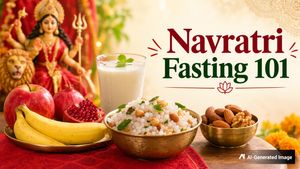 Navratri Fasting 101: What To Eat, What To Skip, And How To Avoid Acidity And Headaches
 -
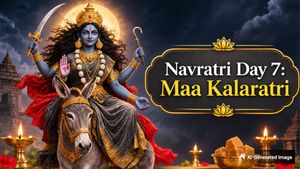 Navratri Day 7: Maa Kalaratri Puja, Colour, Rituals And Significance
 -
 Office To Dandiya Nights: One Quick-Change Outfit Formula For Navratri 2026
 -
 As ‘Ranabaali’ Hits Theatres, A Look At Rashmika Mandanna’s ₹1.31 Lakh Ivory Saree For Pre-Release Promotions
 -
 Durga Puja Pandals Mumbai 2026: 7 Stunning Celebrations To Explore From Matunga To Juhu
 -
 World Spine Day 2026: Is Your Phone Habit Causing Neck Pain? What To Know About Tech Neck


Randeep Hooda, Lin Laishram Announce Pregnancy On 2nd Anniversary: The Meitei Customs Around Childbirth

This 29 November 2025, exactly two years after their wedding, Randeep Hooda and Lin Laishram shared a beautiful post on social media. They are expecting their first child. The couple posted a warm photograph of themselves sitting beside a bonfire in the woods dressed in matching beige outfits , stretching hands towards each other with smiles.
Along with the image came a simple, heartfelt caption: "Two years of love, adventure, and now... a little wild one on the way 🐯 ❤️ ♾️." The post drew messages of congratulations from fans, friends and colleagues alike.

As they step into parenthood, this truly feels like an intimate celebration of new life. This new chapter also shines a light on Lin's Manipuri roots, as she married Randeep Hooda in a traditional Meitei ceremony, a culture with meaningful traditions around pregnancy and motherhood that have guided generations of women before her.
How Meitei Traditions Shape The Path To Motherhood
The Meitei community has long-standing customs that mark pregnancy, childbirth, and early motherhood as significant life-cycle events. These traditions reflect both continuity and adaptation, offering expectant mothers a sense of belonging, cultural identity, and connection to their ancestry.
Pre-Birth And Delivery Preparations: Purity, Rest, And Spiritual Care
In Meitei tradition, some practices are observed during late pregnancy to ensure the mother's safety and well-being. Ritual purification of the home and delivery space, using sacred plants and prayers, is intended to protect both mother and child from harm.
Expectant mothers are often encouraged to rest and avoid heavy household chores. Families may organize small gatherings where experienced women share guidance about childbirth and preparing for delivery. These gatherings are intimate, women-centered events that provide practical advice as well as emotional support.
After Birth: Confinement, Care, And Birth-Ceremony
After childbirth, Meitei mothers traditionally observe a short confinement period known as Maning Kumba, lasting several days. During this time, the mother rests at home, recovers from delivery, and is given simple, nutritious meals. Dishes typically include boiled rice and carefully selected fish, while heavily spiced or fermented foods are avoided to support gentle healing.
On the sixth day after birth, many families perform the 'Eepanthaba' ceremony. This ritual formally welcomes the newborn into the family and community and invokes blessings for the child's health and longevity. As part of the ceremony, the mother and baby may be bathed, symbolic gestures are performed, and prayers are offered to protect and bless both mother and child.
Traditionally, the placenta and umbilical cord are treated with care and may be buried in a designated location, reflecting the belief that these elements are sacred and connected to both the child's future and the family's lineage.
Transition To Modern Times: Change And Continuity
Many Meitei families today balance traditional rituals with modern healthcare and urban living. While some practices may be adapted or skipped, the cultural significance remains. Birth is still regarded as a sacred event, with spiritual, communal, and ancestral dimensions. Families may follow only selected rituals while prioritizing safety, comfort, and medical guidance.
What This Means For Randeep Hooda And Lin Laishram
Meitei traditions offer a rich cultural backdrop for pregnancy and childbirth, highlighting rest for the mother, community support, and rituals like the Eepanthaba ceremony that welcome a newborn into the family.
For Randeep Hooda and Lin Laishram, these customs provide a glimpse into ancestral practices and the values they reflect. While some families continue to follow them closely, others may adapt or skip certain rituals, blending traditional observances with modern medical care and contemporary lifestyles. Whether or not they choose to follow every practice, the traditions underscore respect for the mother's well-being and the significance of welcoming new life.
Meitei traditions surrounding pregnancy, childbirth, and early motherhood remain an important cultural legacy. From pre-birth purification and rest to postnatal care and the Eepanthaba ceremony, these practices highlight the sacred, communal, and nurturing aspects of welcoming new life.
For Randeep and Lin, whether they follow every ritual or adapt them, Lin's Meitei heritage adds depth and meaning to their journey into parenthood, connecting new life with roots, blessings, and a sense of belonging.

 Continue with Google

