




 Click it and Unblock the Notifications


Latest Updates
-
 Eat, Celebrate, Repeat: 6 Ayurvedic Tips To Keep Your Digestion Happy This Navratri 2026
 -
 Breast Cancer Awareness Month 2026: Expert Explains The Emotional Toll Of Breast Cancer
 -
 Navratri 2026 Food Hopping In Delhi NCR: 7 Places To Explore For A Taste Of Festive Flavours
 -
 Why Casual Games Are Perfect for Quick Online Play
 -
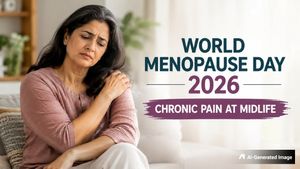 World Menopause Day 2026: Theme, Significance And What Research Reveals About Menopause In India
 -
 Navratri Day 8: Maa Mahagauri Puja, Colour, Rituals And Significance
 -
 Dussehra 2026: The Difference Between Vijayadashami And Ravana Dahan
 -
 Veteran Musician Deva Dies At 75: Life And Legacy Of Thenisai Thendral
 -
 Navratri Fasting Diet: How To Stay Energised And Full Through The Day
 -
 Kavya Maran Wedding In Greece? Date, Venue, and What Is Confirmed


Postpartum Sweating Is Common!


Generally women sweat more at night after the delivery thus getting up wet with perspiration. Postpartum sweating is mainly due to the pregnancy hormones which secrete extra body from the body. This water was stored by the body during pregnancy.
During the postnatal stage, sweating is not the only problem. The new mother also urinates more for the first 1-2 weeks after delivery. For few women, even after few weeks of delivery, perspiration still continues. This is due to the decrease in estrogen levels, hormonal and metabolic changes.
After delivery, in the postpartum stage, sweating can be followed up with fever. If the sweating increases, consult your doctor as it can be due to an overactive thyroid gland .
As you are sweating more during the postpartum stage, the water from the body is secreted therefore making you feel more dizzy and lazy. Don't reduce the intake of fluids. Drink lots of juice and water. Have nutritious food and avoid oily and spicy food. Wear lose-fitting cotton clothes to allow the skin to breathe.

 Continue with Google

