




 Click it and Unblock the Notifications


Latest Updates
-
 Dussehra 2026: The Difference Between Vijayadashami And Ravana Dahan
 -
 Veteran Musician Deva Dies At 75: Life And Legacy Of Thenisai Thendral
 -
 Navratri Fasting Diet: How To Stay Energised And Full Through The Day
 -
 Kavya Maran Wedding In Greece? Date, Venue, and What Is Confirmed
 -
 Navratri Fasting 101: What To Eat, What To Skip, And How To Avoid Acidity And Headaches
 -
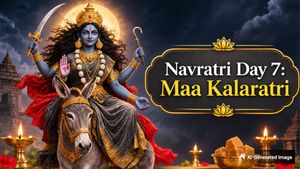 Navratri Day 7: Maa Kalaratri Puja, Colour, Rituals And Significance
 -
 Office To Dandiya Nights: One Quick-Change Outfit Formula For Navratri 2026
 -
 As ‘Ranabaali’ Hits Theatres, A Look At Rashmika Mandanna’s ₹1.31 Lakh Ivory Saree For Pre-Release Promotions
 -
 Durga Puja Pandals Mumbai 2026: 7 Stunning Celebrations To Explore From Matunga To Juhu
 -
 World Spine Day 2026: Is Your Phone Habit Causing Neck Pain? What To Know About Tech Neck


From Satan To IKEA: Would You Name Your Baby This? These Parents Did-And Got Rejected!

For most parents, choosing a baby name is an emotional, meaningful decision. But in some parts of the world, your top pick could get you in legal trouble.
While some countries are lenient with naming customs, others have surprisingly strict rules-banning names deemed offensive, bizarre, or just too outrageous for the birth certificate.

Yes, naming your baby "Lucifer" or "Messiah" might not fly in certain countries. And no, you can't call your child "@." Let's take a look at the most controversial baby names that have been banned globally, and why they caused such a stir.
1. Lucifer - Banned In New Zealand And Germany
While it might sound edgy or mythological to some, "Lucifer" was deemed inappropriate for children in both New Zealand and Germany. In these countries, baby names that could cause emotional harm or ridicule later in life are often rejected by civil authorities. New Zealand's Department of Internal Affairs struck the name down due to its association with the devil.
Germany follows a similar logic-names must clearly indicate gender and not subject the child to potential embarrassment. Sorry, Satanic baby name enthusiasts.
2. IKEA - Rejected In Sweden
Sweden has a naming law that prohibits names which may cause discomfort, offense, or seem like a product or brand. One couple tried to name their child "IKEA," in honor of the iconic Swedish brand, but authorities quickly denied the request.
Sweden also previously rejected names like "Metallica," "Veranda," and the infamous "Brfxxccxxmnpcccclllmmnprxvclmnckssqlbb11116" (pronounced "Albin")-a satirical protest against naming laws.
3. @ - Banned In China
In a unique case of digital-age baby naming, a couple in China attempted to name their baby "@." They claimed the symbol held meaning for them, roughly translating to "love him" in Chinese pronunciation. Authorities, however, weren't amused.
China prohibits names that use symbols or numerals, as all names must be compatible with the country's computer systems and language database.
4. Nutella - Rejected In France
A French court intervened when a couple named their baby "Nutella," believing it would subject the child to mockery. The judge decided the child's name was not in her best interest and renamed her "Ella."
France allows civil courts to reject names that are deemed ridiculous or potentially harmful. Past rejections include "Strawberry" (Fraise) and "Mini Cooper."
5. Messiah - Contested In The United States
In 2013, a judge in Tennessee ordered a baby's name to be changed from "Messiah" to "Martin," stating that "Messiah is a title reserved for Jesus Christ." The decision was quickly overturned, as it violated the parents' constitutional rights. Still, the case sparked national debate about religious sensitivity in baby naming.
While the name remains legal in the U.S., the controversy revealed how names that carry religious weight can stir major disputes.

6. Talula Does the Hula From Hawaii - Overturned in New Zealand
Perhaps one of the most famous banned baby names, "Talula Does the Hula From Hawaii" made headlines when a New Zealand judge removed the 9-year-old girl from her parents' custody temporarily to change her name. The court ruled that the name was causing undue social hardship.
The incident drew global attention to how a name-even if whimsical-can lead to serious psychological distress.
When A Name Crosses the Line
While many parents want unique names that stand out, most countries draw the line at names that seem offensive, nonsensical, or commercial. The intent behind naming laws isn't to limit creativity-but to protect the child's dignity, legal identity, and future social interactions.
Names may be personal, but once they're public, they carry meaning-cultural, religious, and psychological. And sometimes, the name you love might be one your child has to live down.

 Continue with Google

