




 Click it and Unblock the Notifications


Tiger Whisky
Tiger Whisky is a popular alcoholic drink known for its rich history and unique flavour. Originating from India, it has gained a significant following over the years. This article explores various aspects of Tiger Whisky, including its history, ingredients, preparation, and more.
Tiger Whisky has its roots in India. It was first produced in the early 20th century. The brand quickly became popular Read more...due to its distinct taste and quality. Over the years, Tiger Whisky has maintained its reputation as a premium whisky brand.Read Less
Tiger Whisky Price

180 ml
₹ 105
375 ml
₹ 210
750 ml
₹ 410
₹ 410
Jammu & Kashmir
Ingredients
The primary ingredients in Tiger Whisky include malted barley, water, and yeast. These ingredients are carefully selected to ensure the highest quality. The malted barley gives the whisky its rich flavour, while the water and yeast aid in fermentation.Preparation
The preparation of Tiger Whisky involves several steps. First, the barley is malted and mashed. The mash is then fermented using yeast. After fermentation, the liquid is distilled to increase its alcohol content. Finally, the whisky is aged in oak barrels to develop its flavour.Flavour Profile
Tiger Whisky is known for its smooth and rich flavour. It has notes of caramel, vanilla, and oak. The ageing process in oak barrels adds depth to the flavour, making it a favourite among whisky enthusiasts.Variations
Tiger Whisky comes in several variations. These include single malt, blended, and cask strength versions. Each variation offers a unique taste experience, catering to different preferences.Cultural Significance
Tiger Whisky holds cultural significance in India. It is often enjoyed during celebrations and festivals. The drink is also a symbol of status and sophistication in many social circles.Pairings
Tiger Whisky pairs well with various foods. It complements grilled meats, spicy dishes, and rich desserts. The whisky's complex flavours enhance the dining experience when paired with these foods.Serving Suggestions
Tiger Whisky can be enjoyed neat or on the rocks. For those who prefer cocktails, it can be used in classic recipes like Old Fashioned or Whisky Sour. Serving it at room temperature brings out its full flavour profile.Popularity and Trends
Tiger Whisky has seen a rise in popularity in recent years. Its unique taste and quality have attracted a global audience. The brand continues to innovate with new variations to meet consumer demands.Interesting Facts
Did you know that Tiger Whisky was one of the first Indian whiskies to gain international recognition? It has won several awards for its quality and taste over the years.Health Considerations
Moderate consumption of Tiger Whisky may offer some health benefits, such as improved heart health. However, excessive drinking can lead to health risks like liver damage and addiction. Always drink responsibly.Production Regions
Tiger Whisky is primarily produced in India. The country's climate and natural resources provide ideal conditions for whisky production. Some regions are particularly known for their high-quality whisky output.Legal Status and Regulations
The legal status of Tiger Whisky varies by region. In India, it is regulated by local laws governing alcohol production and sale. Always check local regulations before purchasing or consuming alcohol.Distillation and Aging Process
The distillation process for Tiger Whisky involves heating the fermented mash to separate alcohol from impurities. The whisky is then aged in oak barrels for several years to develop its flavour.Historical Anecdotes
An interesting historical anecdote about Tiger Whisky is that it was once served at royal gatherings in India. Its premium quality made it a favourite among royalty and nobility.Economic Impact
Tiger Whisky contributes significantly to India's economy through job creation and export revenue. The brand's success has also boosted tourism in regions known for whisky production.Environmental Considerations
The production of Tiger Whisky involves sustainable practices to minimise environmental impact. Efforts include water conservation, waste management, and using eco-friendly packaging materials.Cocktail Recipes
Tiger Whisky can be used in various cocktail recipes. A popular choice is the Tiger Old Fashioned: mix 60ml Tiger Whisky with 1 sugar cube, 3 dashes of bitters, and a splash of water over ice.Conservation Efforts
The brand supports conservation efforts by partnering with environmental organisations. These initiatives aim to protect natural resources essential for whisky production.Awards and Recognition
Tiger Whisky has received numerous awards for its quality and taste. These accolades highlight the brand's commitment to excellence in whisky production.Sustainability Focus
Sustainability is a key focus for Tiger Whisky producers. They implement practices like renewable energy use and sustainable sourcing of ingredients to reduce their environmental footprint.Disclaimer: The information presented on this page regarding liquor prices, types, and brands is intended for general reference only. While we strive for accuracy; prices and availability may vary. For the most up-to-date information, please consult local retailers or official sources. Consumption of alcoholic beverages should be done responsibly, in accordance with legal drinking age requirements and health conditions. We do not endorse the consumption of alcohol.
Similar Whisky Products You Might Like
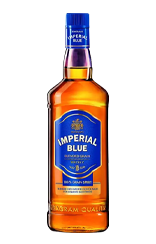
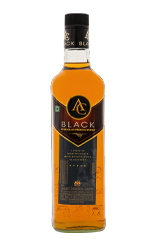
Ac Black Pure Grain Whisky - 750 ml
₹ 630.00
Whisky Price List in City
Vodka Products You Might Like
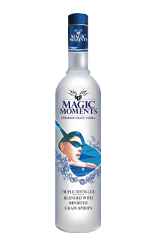
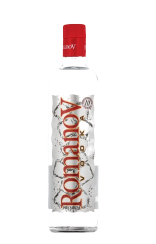
Premium Romanov Vodka - 750 ml
₹ 530.00


Latest Updates
-
 Dharmendra Pradhan Resigns Amid Student Protest: Everything To Know About India's Outgoing Education Minister
 -
 Shabana Azmi Tests Positive for Swine Flu (H1N1) After Joining Student Protests
 -
 Monthly Horoscope August 2026: Rinhee Suberwal's Predictions For All 12 Signs
 -
 Can An Eye Exam Predict Dementia? What The Retina Reveals About Your Brain
 -
 World IVF Day: Myths vs Facts — What People Still Get Wrong About IVF
 Continue with Google