




 Click it and Unblock the Notifications


Saaki
Saaki Price

180 ml
₹ 90
750 ml
₹ 360
₹ 360
Karnataka
Ingredients
The primary ingredients of Saaki 750ml include rice, water, yeast, and koji mold. These simple ingredients are carefully selected to ensure the best quality and flavour.Preparation
The preparation of Saaki 750ml involves several steps. First, the rice is polished to remove the outer layer. Then, it is washed, soaked, and steamed. Koji mold is added to the steamed rice to convert starches into sugars.Next, yeast is added to ferment the mixture. The fermentation process can take several weeks. After fermentation, the liquid is pressed, filtered, and pasteurised before bottling.Flavour Profile
Saaki 750ml has a delicate and complex flavour profile. It can range from sweet to dry, with notes of fruit, flowers, and spices. The taste varies depending on the type of rice used and the brewing process.Variations
There are many variations of Saaki 750ml available. Some popular types include Junmai, Ginjo, and Daiginjo. Each type has its own unique characteristics and flavour profiles.Cultural Significance
Saaki 750ml holds significant cultural importance in Japan. It is often used in religious ceremonies and celebrations. The drink symbolises purity and is considered a sacred offering in Shinto rituals.Pairings
Saaki 750ml pairs well with a variety of foods. It complements sushi, sashimi, grilled meats, and tempura. The drink's versatility makes it a great choice for different cuisines.Serving Suggestions
Saaki 750ml can be served chilled, at room temperature, or warm. The serving temperature depends on the type of Saaki and personal preference. Use traditional ceramic cups or wine glasses for an authentic experience.Popularity and Trends
Saaki 750ml has gained popularity worldwide. Many people appreciate its unique taste and cultural heritage. The drink is now available in many countries outside Japan.Interesting Facts
Did you know that Saaki 750ml can be aged like wine? Some premium varieties are aged for several years to develop complex flavours. Another interesting fact is that Saaki breweries often have their own unique recipes passed down through generations.Health Considerations
Moderate consumption of Saaki 750ml may offer some health benefits, such as improved digestion and heart health. However, excessive drinking can lead to health risks like liver damage and addiction. Always consume alcohol responsibly.Production Regions
The main production regions for Saaki 750ml are in Japan. Notable areas include Niigata, Hiroshima, and Kyoto. Each region has its own distinct brewing techniques and flavours.Legal Status and Regulations
The legal status of Saaki 750ml varies by country. In some places, there are strict regulations on production and sale. Always check local laws before purchasing or consuming Saaki.Distillation and Aging Process
The distillation process for Saaki 750ml involves fermenting rice with koji mold and yeast. After fermentation, the liquid is distilled to increase alcohol content. Aging can enhance the flavour complexity of certain types of Saaki.Historical Anecdotes
An interesting historical anecdote about Saaki involves its use in samurai rituals. Samurai warriors would drink Saaki before battles as a symbol of courage and unity.Economic Impact
The production of Saaki 750ml contributes significantly to Japan's economy. It supports local farmers who grow rice and provides jobs in breweries. The export market also brings revenue to the country.Environmental Considerations
Sustainable practices are becoming more common in Saaki production. Many breweries focus on reducing waste and conserving water resources. Organic farming methods are also being adopted to grow rice sustainably.Cocktail Recipes
Cocktail Name | Ingredients | Instructions |
Sake Martini | Sake, gin, lemon twist | Mix sake and gin over ice; strain into glass; garnish with lemon twist. |
Sake Mojito | Sake, mint leaves, lime juice, sugar syrup | Muddle mint leaves with sugar syrup; add sake and lime juice; serve over ice. |
Sake Sangria | Sake, fruit slices (orange, apple), soda water | Mix sake with fruit slices; top with soda water; serve chilled. |
Awards and Recognition
Many Saaki brands have received awards for their quality and taste. Competitions like the International Wine Challenge recognise outstanding Saakis from around the world.Sustainability Focus
The Saaki industry is increasingly focusing on sustainability practices. Efforts include using eco-friendly packaging materials and supporting local communities through fair trade practices.Disclaimer: The information presented on this page regarding liquor prices, types, and brands is intended for general reference only. While we strive for accuracy; prices and availability may vary. For the most up-to-date information, please consult local retailers or official sources. Consumption of alcoholic beverages should be done responsibly, in accordance with legal drinking age requirements and health conditions. We do not endorse the consumption of alcohol.
Similar Wine Products You Might Like
Grover La Reserve Red - 375 ml
₹ 1225.00
Fratelli Sauvignon Blanc - 750 ml
₹ 747.00
Moletto Prosecco Extra Dry - 750 ml
₹ 1950.00
Outback Jack Chardonnay - 750 ml
₹ 1295.00
Wine Price List in City
Brandy Products You Might Like
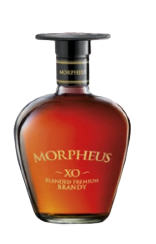
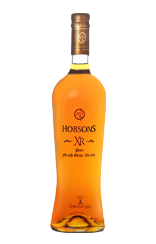
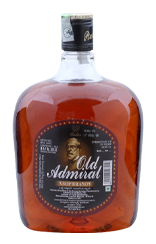
Old Admiral Vsop Brandy - 750 ml
₹ 508.00
Latest Updates
-
 Dharmendra Pradhan Resigns Amid Student Protest: Everything To Know About India's Outgoing Education Minister
 -
 Shabana Azmi Tests Positive for Swine Flu (H1N1) After Joining Student Protests
 -
 Monthly Horoscope August 2026: Rinhee Suberwal's Predictions For All 12 Signs
 -
 Can An Eye Exam Predict Dementia? What The Retina Reveals About Your Brain
 -
 World IVF Day: Myths vs Facts — What People Still Get Wrong About IVF
 Continue with Google