




 Click it and Unblock the Notifications


Riesling
Riesling Price
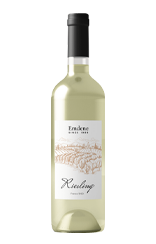
750 ml
₹ 2349
₹ 2349
Goa
Ingredients
The primary ingredient in Riesling wine is the Riesling grape. This grape variety thrives in cooler climates and is known for its high acidity and strong aromas. Water, yeast, and sometimes sugar (for sweeter versions) are also used in its production.Preparation
Riesling wine is made by fermenting crushed Riesling grapes. The fermentation process can vary, leading to different styles of Riesling. Some winemakers choose to stop fermentation early to retain sweetness, while others allow it to continue for a drier wine.Flavour Profile
Riesling wines are known for their fruity and floral aromas, with notes of apple, pear, peach, and apricot often present. They can also have a mineral quality, reflecting the soil in which the grapes were grown. The balance between sweetness and acidity is a key feature.Variations
There are several variations of Riesling, ranging from dry (Trocken) to very sweet (Trockenbeerenauslese). The style can depend on the region where it's produced, with German Rieslings often being sweeter and those from Alsace or Australia typically drier.Cultural Significance
Riesling holds a special place in many cultures, particularly in Germany where it is considered a national treasure. It is often consumed during celebrations and holidays and has been part of German heritage for centuries.Pairings
Riesling's versatility makes it an excellent wine for pairing with food. Its acidity cuts through rich dishes, while its sweetness complements spicy foods. It pairs well with Asian cuisine, seafood, and even strong cheeses.Serving Suggestions
To fully enjoy Riesling's flavors, it should be served chilled but not too cold. A temperature between 8-12°C (46-54°F) is ideal. Serving it in a white wine glass will also enhance its aromas.Popularity and Trends
Riesling has seen a resurgence in popularity as more people appreciate its food-friendly nature and diverse flavor profile. There's also been an increase in organic and biodynamic Rieslings, reflecting a trend towards more sustainable winemaking practices.Interesting Facts
One interesting fact about Riesling is that it can age very well, with some bottles lasting for decades. Its high acidity acts as a preservative, allowing its flavors to evolve over time.Health Considerations
Like all alcoholic beverages, Riesling should be consumed in moderation. However, it is relatively low in alcohol compared to other wines, making it a lighter option. Some studies suggest that moderate wine consumption may have health benefits, though these are balanced against the risks of excessive alcohol use.Production Regions
Riesling is produced in many parts of the world, but Germany remains its heartland. Other notable regions include Alsace in France, Austria, Australia, and parts of the United States like Washington State and New York's Finger Lakes.Legal Status and Regulations
The production and sale of Riesling are subject to local laws and regulations. In many countries, there are strict rules about labeling wines as Riesling to ensure they meet certain standards. Consumers should check local laws before purchasing.Distillation and Aging Process
Riesling wines are not typically distilled but fermented. The aging process varies; some Rieslings are best enjoyed young while others benefit from years of aging in the bottle. This aging can enhance their complexity and flavor profile.Historical Anecdotes
One historical anecdote about Riesling involves the German legend of the Johannisberg estate. It is said that the late arrival of permission to harvest led to the accidental discovery of late-harvest (Spätlese) Riesling, now one of the most prized styles.Economic Impact
The production of Riesling contributes significantly to the economies of regions where it is grown. It supports vineyards, wineries, and related industries such as tourism and hospitality.Environmental Considerations
The wine industry faces challenges related to climate change and sustainability. Many Riesling producers are adopting eco-friendly practices such as organic farming and reducing water usage to mitigate their environmental impact.Cocktail Recipes
Riesling can also be used in cocktails. A popular option is mixing it with sparkling water and fresh fruit for a refreshing summer drink. Another idea is combining Riesling with gin and lemon juice for a twist on classic cocktails.Conservation Efforts
In response to environmental concerns, some Riesling producers participate in conservation efforts such as preserving local wildlife habitats and promoting biodiversity in vineyards.Awards and Recognition
Rieslings from various regions have won numerous awards for their quality and innovation. These accolades highlight the skill of winemakers and the excellence of this versatile wine.Sustainability Focus
The focus on sustainability within the Riesling industry includes efforts like reducing carbon footprints, using renewable energy sources in production processes, and recycling water and materials. These practices show a commitment to preserving the environment for future generations.Riesling FAQs
What makes Crabilis Vermentino Pala unique?
What is the primary ingredient of Crabilis Vermentino Pala?
How should Crabilis Vermentino Pala be served?
Can Crabilis Vermentino Pala be paired with food?
What are the health considerations of consuming Crabilis Vermentino Pala?
Disclaimer: The information presented on this page regarding liquor prices, types, and brands is intended for general reference only. While we strive for accuracy; prices and availability may vary. For the most up-to-date information, please consult local retailers or official sources. Consumption of alcoholic beverages should be done responsibly, in accordance with legal drinking age requirements and health conditions. We do not endorse the consumption of alcohol.
Similar Wine Products You Might Like
Riesling - 750 ml
₹ 2349.00
Ricossa barolo - 750 ml
₹ 4235.00
Rose d anjou - 750 ml
₹ 2500.00
Riff pinot grigio - 750 ml
₹ 1320.00
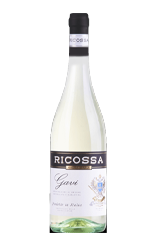
Ricossa gavi - 750 ml
₹ 1975.00
Wine Price List in City
Vodka Products You Might Like
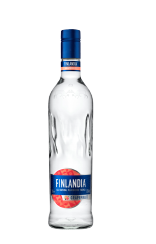
Finlandia Grape Fruit Vodka - 750 ml
₹ 2732.00
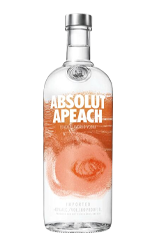
Absolut Apeach - 750 ml
₹ 2850.00
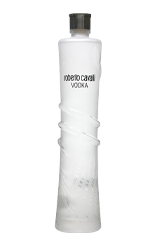
Roberto Cavalli Vodka - 750 ml
₹ 10400.00
Latest Updates
-
 Weekly Horoscope (July 25–August 2, 2026): What Your Moon Sign Says About Career, Money And Love
 -
 Why Pickleball Is an Ideal Low-Impact Workout for All Age Groups
 -
 Kangana Ranaut's Sarees Take You On A Journey Through India's Most Iconic Handloom Weaves
 -
 Dad's Role Matters More Than You Think: The Science Behind Paternal Bonding
 -
 Ramayana Trailer Postponed: What We Know So Far And 7 Highlights Fans Can’t Wait To See When It Drops
 Continue with Google