




 Click it and Unblock the Notifications


Povero Dolcetto
Povero Dolcetto Price

750 ml
₹ 2200
₹ 2200
Karnataka
Preparation
The preparation of Povero Dolcetto involves careful fermentation. After harvesting, the grapes are crushed and fermented with yeast. This process takes about a week. The wine is then aged in stainless steel tanks or oak barrels to develop its flavour. This method ensures a smooth and balanced taste.Flavour Profile
Povero Dolcetto is known for its fruity and slightly bitter taste. It features notes of black cherry, plum, and sometimes almond. The wine has a medium body with soft tannins, making it easy to drink. Its flavour profile makes it versatile for various occasions.Variations
There are several variations of Povero Dolcetto based on the region and winemaking techniques. Some versions are aged longer to develop more complex flavours, while others focus on preserving the fresh fruitiness of the grape. Each variation offers a unique tasting experience.Cultural Significance
Povero Dolcetto holds cultural importance in Italy, especially in Piedmont. It is often served during family gatherings and celebrations. The wine represents tradition and heritage, connecting people through shared experiences and memories.Pairings
This wine pairs well with a variety of foods. It complements pasta dishes, grilled meats, and cheeses beautifully. Its acidity balances rich flavours, making it an excellent choice for hearty meals. Povero Dolcetto enhances the dining experience with its harmonious pairing capabilities.Serving Suggestions
Povero Dolcetto is best served slightly chilled at around 16-18°C. This temperature brings out its fruity notes while maintaining its structure. Use a standard red wine glass to allow the aromas to develop fully. Enjoy it with meals or as an aperitif.Popularity and Trends
The popularity of Povero Dolcetto has grown beyond Italy's borders. Wine enthusiasts worldwide appreciate its approachable taste and versatility. Trends show an increasing interest in sustainable production practices within the industry, aligning with global environmental concerns.Interesting Facts
Povero Dolcetto is often called "the everyday wine" due to its affordability and easy drinking nature. Despite its name suggesting sweetness, it is predominantly dry. The wine's deep colour can sometimes stain teeth temporarily, adding a playful aspect to its consumption.Health Considerations
Like all alcoholic beverages, Povero Dolcetto should be consumed responsibly. Moderate consumption may offer some health benefits like antioxidants from grapes. However, excessive drinking poses health risks such as liver damage and addiction.Production Regions
Piedmont remains the primary production region for Povero Dolcetto. The area's climate and soil conditions are ideal for growing Dolcetto grapes. Other regions have started producing this wine, but Piedmont remains unmatched in quality.Legal Status and Regulations
The legal status of Povero Dolcetto varies by country due to differing alcohol regulations. In India, it's important to check local laws regarding alcohol consumption and sales before purchasing or consuming this wine.Distillation and Aging Process
Povero Dolcetto does not undergo distillation as it is a wine, not a spirit. The aging process involves storing the wine in tanks or barrels for several months to enhance its flavour profile before bottling.Historical Anecdotes
Anecdotes suggest that Povero Dolcetto was once considered a farmer's drink due to its accessibility and affordability. Over time, it gained popularity among all social classes for its delightful taste and cultural significance.Economic Impact
The production of Povero Dolcetto contributes significantly to Italy's economy, particularly in the Piedmont region. It supports local vineyards and winemakers while attracting tourism through wine-tasting events and festivals.Environmental Considerations
Sustainable practices are becoming more common in Povero Dolcetto production. Many vineyards focus on reducing chemical use and conserving water resources to protect the environment while maintaining high-quality standards.Cocktail Recipes
Povero Dolcetto can be used in cocktails like spritzers or sangrias due to its fruity notes. Mix it with soda water or fruit juices for a refreshing twist on traditional cocktails while enjoying its natural flavours.Conservation Efforts
Efforts are underway to preserve traditional winemaking methods while embracing modern sustainability practices. These efforts aim to protect both cultural heritage and environmental health for future generations.Awards and Recognition
Povero Dolcetto has received numerous awards for its quality and taste at international wine competitions. These accolades highlight its excellence within the global wine community.Sustainability Focus
The Povero Dolcetto industry increasingly focuses on sustainability by adopting eco-friendly practices like organic farming and renewable energy use in production processes.Disclaimer: The information presented on this page regarding liquor prices, types, and brands is intended for general reference only. While we strive for accuracy; prices and availability may vary. For the most up-to-date information, please consult local retailers or official sources. Consumption of alcoholic beverages should be done responsibly, in accordance with legal drinking age requirements and health conditions. We do not endorse the consumption of alcohol.
Similar Wine Products You Might Like

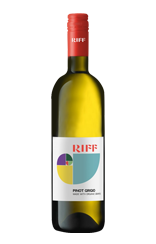
Riff Pinot Grigio - 750 ml
₹ 659.00
Fratelli Sauvignon Blanc - 750 ml
₹ 747.00
Wine Price List in City
Beer Products You Might Like

Simba Jungle Wheat Beer - 330 ml
₹ 130.00


Bira 91 Malabar Stout Beer - 91 ml
₹ 130.00

Budweiser Magnum Beer - 650 ml
₹ 220.00

Bro Code 10 - 650 ml
₹ 260.00
Latest Updates
-
 Dharmendra Pradhan Resigns Amid Student Protest: Everything To Know About India's Outgoing Education Minister
 -
 Shabana Azmi Tests Positive for Swine Flu (H1N1) After Joining Student Protests
 -
 Monthly Horoscope August 2026: Rinhee Suberwal's Predictions For All 12 Signs
 -
 Can An Eye Exam Predict Dementia? What The Retina Reveals About Your Brain
 -
 World IVF Day: Myths vs Facts — What People Still Get Wrong About IVF
 Continue with Google