




 Click it and Unblock the Notifications


Martel Vs Fine Cognac
Martel Vs Fine Cognac Price

700 ml
₹ 3650
₹ 3650
Delhi
Ingredients
The primary ingredient in Martel Vs Fine Cognac is Ugni Blanc grapes. These grapes are known for their high acidity and low alcohol content, making them ideal for distillation. Other permitted grape varieties include Folle Blanche and Colombard.Preparation
The preparation of Martel Vs Fine Cognac involves several steps. First, the grapes are harvested and pressed to extract the juice. This juice is then fermented to produce a wine with about 7-8% alcohol content. The wine undergoes double distillation in copper pot stills.Flavour Profile
Martel Vs Fine Cognac is known for its smooth and balanced flavour. It typically features notes of fruit, such as pear and apple, along with hints of vanilla and oak from the aging process. The finish is often long and satisfying.Variations
There are several variations of Martel Vs Fine Cognac, each with its unique characteristics. These include VS (Very Special), VSOP (Very Superior Old Pale), and XO (Extra Old). Each variation differs in aging time and flavour complexity.Cultural Significance
Cognac holds a special place in French culture and is often associated with luxury and sophistication. It is commonly enjoyed during celebrations and special occasions, symbolising refinement and tradition.Pairings
Martel Vs Fine Cognac pairs well with a variety of foods. It complements rich dishes like foie gras, dark chocolate desserts, and strong cheeses. It can also be enjoyed with a simple piece of dark chocolate or a fine cigar.Serving Suggestions
Cognac is best served at room temperature in a tulip-shaped glass. This allows the aromas to concentrate at the top of the glass, enhancing the tasting experience. It can be enjoyed neat or with a splash of water to open up the flavours.Popularity and Trends
Cognac has seen a resurgence in popularity in recent years, particularly among younger consumers. This trend is driven by an increased interest in premium spirits and craft cocktails that feature cognac as a key ingredient.Interesting Facts
Did you know that cognac can only be produced in the Cognac region of France? Also, Martel Vs Fine Cognac uses traditional methods that have remained largely unchanged for centuries, ensuring consistency in quality.Health Considerations
Cognac contains antioxidants that may offer some health benefits when consumed in moderation. However, excessive consumption can lead to health risks such as liver damage and addiction. Always drink responsibly.Production Regions
The Cognac region is divided into six crus or growth areas: Grande Champagne, Petite Champagne, Borderies, Fins Bois, Bons Bois, and Bois Ordinaires. Each area contributes unique characteristics to the final product.Legal Status and Regulations
Cognac production is strictly regulated by French law to ensure quality. These regulations cover everything from grape varieties to distillation methods. Always check local laws regarding alcohol consumption.Distillation and Aging Process
The distillation process involves heating the fermented wine in copper pot stills to produce eau-de-vie (water of life). This spirit is then aged in oak barrels for at least two years, though many cognacs are aged much longer.Historical Anecdotes
One interesting historical anecdote involves Napoleon Bonaparte, who was known to enjoy cognac during his military campaigns. He even took barrels of it with him on his travels.Economic Impact
The cognac industry significantly contributes to the French economy through exports. It provides employment opportunities in vineyards, distilleries, and related sectors such as tourism.Environmental Considerations
Sustainable practices are increasingly being adopted in cognac production. These include organic farming methods, reducing water usage, and minimising carbon emissions during distillation.Cocktail Recipes
Cocktail Name | Ingredients | Preparation Method |
Sazerac | Cognac, sugar cube, bitters, absinthe rinse | Muddle sugar cube with bitters; add cognac; stir; strain into absinthe-rinsed glass. |
Sidecar | Cognac, triple sec, lemon juice | Shake all ingredients with ice; strain into a chilled glass; garnish with lemon twist. |
French 75 | Cognac, lemon juice, simple syrup, champagne | Shake cognac, lemon juice, simple syrup; strain into flute; top with champagne. |
Conservation Efforts
The cognac industry supports various conservation efforts to protect biodiversity in vineyards. Initiatives include planting cover crops between vines to improve soil health and creating wildlife corridors.Awards and Recognition
Martel Vs Fine Cognac has received numerous awards over the years for its exceptional quality. These accolades come from prestigious competitions such as the International Wine & Spirit Competition (IWSC).Sustainability Focus
Sustainability is a key focus for many cognac producers today. Efforts include using renewable energy sources for distillation processes and implementing eco-friendly packaging solutions to reduce environmental impact.Disclaimer: The information presented on this page regarding liquor prices, types, and brands is intended for general reference only. While we strive for accuracy; prices and availability may vary. For the most up-to-date information, please consult local retailers or official sources. Consumption of alcoholic beverages should be done responsibly, in accordance with legal drinking age requirements and health conditions. We do not endorse the consumption of alcohol.
Similar Brandy Products You Might Like
Vodka Products You Might Like
Skyy Vodka - 750 ml
₹ 1490.00
Grey Goose Vodka Original - 1000 ml
₹ 4500.00
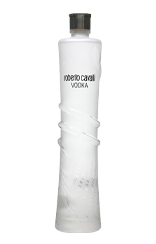
Roberto Cavalli Vodka - 750 ml
₹ 5480.00
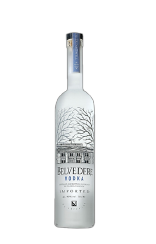
Belvedere Vodka Imported - 700 ml
₹ 3590.00
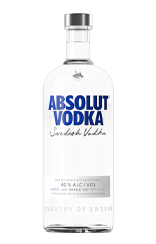
Absolut Vodka - 750 ml
₹ 1400.00
Latest Updates
-
 Dharmendra Pradhan Resigns Amid Student Protest: Everything To Know About India's Outgoing Education Minister
 -
 Shabana Azmi Tests Positive for Swine Flu (H1N1) After Joining Student Protests
 -
 Monthly Horoscope August 2026: Rinhee Suberwal's Predictions For All 12 Signs
 -
 Can An Eye Exam Predict Dementia? What The Retina Reveals About Your Brain
 -
 World IVF Day: Myths vs Facts — What People Still Get Wrong About IVF
 Continue with Google