




 Click it and Unblock the Notifications


Indus chenin blanc
Indus chenin blanc Price

750 ml
₹ 583
₹ 583
Goa
Ingredients
The primary ingredient in Indus Chenin Blanc is the Chenin Blanc grape. These grapes are known for their high acidity and ability to produce wines ranging from dry to sweet. The soil and climate of the Indus region impart distinct flavours to these grapes, contributing to the wine's unique taste profile.Preparation
Preparing Indus Chenin Blanc involves careful selection of grapes, followed by fermentation. Winemakers often employ traditional methods, allowing the wine to ferment slowly. This process helps in developing the wine's complex flavours. Some variations also undergo oak aging, adding depth and character.Flavour Profile
The flavour profile of Indus Chenin Blanc is marked by its versatility. It can range from dry and crisp to sweet and fruity, depending on the winemaking process. Common notes include green apple, pear, honey, and sometimes a hint of spice. The wine's high acidity makes it refreshing and an excellent companion to a wide range of dishes.Variations
There are several variations of Indus Chenin Blanc, influenced by factors such as the specific region where the grapes are grown and the winemaking techniques used. Some winemakers produce a sparkling version, while others focus on creating richer, oak-aged wines.Cultural Significance
Indus Chenin Blanc holds cultural significance in regions where it is produced. It is often associated with celebrations and festive occasions. The wine's history and development are closely tied to the local traditions and practices of the Indus Valley.Pairings
This wine pairs well with a variety of foods. Its acidity cuts through the richness of dishes like creamy pasta or cheese-based recipes. It also complements spicy foods, making it a popular choice in regions with vibrant cuisines.Serving Suggestions
To fully enjoy Indus Chenin Blanc, it should be served chilled, at around 7-10°C. This temperature highlights its crispness and flavour nuances. Serving it in a white wine glass allows its aromas to be appreciated fully.Popularity and Trends
In recent years, there has been a growing appreciation for Indus Chenin Blanc among wine enthusiasts worldwide. Its ability to pair with diverse cuisines has contributed to its popularity. Additionally, there is an increasing trend towards exploring wines from non-traditional regions, further boosting its appeal.Interesting Facts
One interesting fact about Indus Chenin Blanc is its resilience. The Chenin Blanc grape can adapt to various environmental conditions, making it a reliable choice for winemakers in the Indus Valley despite changing climate patterns.Health Considerations
Like all alcoholic beverages, consuming Indus Chenin Blanc should be done in moderation. While some studies suggest moderate wine consumption can have health benefits due to antioxidants found in grapes, excessive drinking can lead to health risks.Production Regions
The primary production regions for Indus Chenin Blanc are located within the broader Indus Valley area. These regions benefit from a climate that supports viticulture, contributing to the distinctive qualities of this wine.Legal Status and Regulations
The production and sale of Indus Chenin Blanc are subject to local laws and regulations. Consumers are advised to check their local laws regarding alcohol consumption and sale.Distillation and Aging Process
While distillation is not typically part of the process for making Indus Chenin Blanc, aging plays a crucial role. Some variations are aged in oak barrels, which imparts additional flavours and complexity to the wine.Economic Impact
The production of Indus Chenin Blanc contributes significantly to the local economy in its production regions. It provides employment opportunities and supports local agriculture.Environmental Considerations
Sustainability practices are increasingly important in the production of Indus Chenin Blanc. Winemakers are adopting methods that reduce water usage and minimize chemical inputs, aiming to protect the environment while producing high-quality wine.Awards and Recognition
Indus Chenin Blanc has received awards at various international wine competitions, recognizing its quality and distinctiveness among white wines.Sustainability Focus
The industry is focusing on sustainability by implementing practices like water conservation, organic farming, and reducing carbon footprint during production. These efforts aim to ensure that winemaking contributes positively to environmental conservation.<Indus chenin blanc FAQs
What is the history of Riesling wine?
What are the flavors of Riesling wine?
What are some popular pairings with Riesling wine?
Where is Riesling wine produced?
What are some environmental considerations in Riesling production?
Disclaimer: The information presented on this page regarding liquor prices, types, and brands is intended for general reference only. While we strive for accuracy; prices and availability may vary. For the most up-to-date information, please consult local retailers or official sources. Consumption of alcoholic beverages should be done responsibly, in accordance with legal drinking age requirements and health conditions. We do not endorse the consumption of alcohol.
Similar Wine Products You Might Like
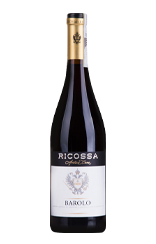
Ricossa barolo - 750 ml
₹ 4235.00
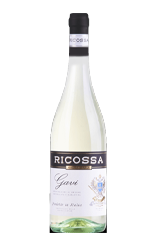
Ricossa gavi - 750 ml
₹ 1975.00
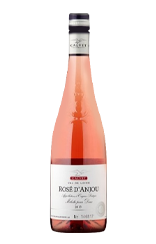
Rose d anjou - 750 ml
₹ 2500.00
Wine Price List in City
Rum Products You Might Like
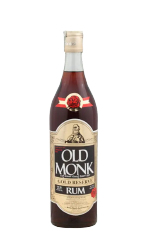
Old Monk Gold Reserve Rum - 750 ml
₹ 651.00
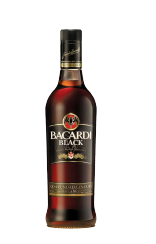
Bacardi Black Rum - 375 ml
₹ 425.00

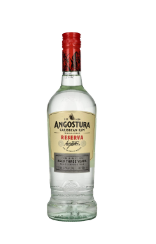
Angostura Premium White Rum - 700 ml
₹ 3172.00
Latest Updates
-
 Dharmendra Pradhan Resigns Amid Student Protest: Everything To Know About India's Outgoing Education Minister
 -
 Shabana Azmi Tests Positive for Swine Flu (H1N1) After Joining Student Protests
 -
 Monthly Horoscope August 2026: Rinhee Suberwal's Predictions For All 12 Signs
 -
 Can An Eye Exam Predict Dementia? What The Retina Reveals About Your Brain
 -
 World IVF Day: Myths vs Facts — What People Still Get Wrong About IVF
 Continue with Google