




 Click it and Unblock the Notifications


Blue Lagoon Gin
Blue Lagoon Gin Price

180 ml
₹ 110
180 ml
₹ 120
375 ml
₹ 220
375 ml
₹ 250
750 ml
₹ 440
750 ml
₹ 500
₹ 440
Assam
Ingredients
Blue Lagoon Gin is made from a base of juniper berries, which are essential to all gins. Other botanicals like coriander, angelica root, and citrus peels are also used. The distinctive blue colour often comes from natural or artificial colouring agents added during production. These ingredients combine to create a refreshing and aromatic spirit.Preparation
To prepare Blue Lagoon Gin, distillers start by steeping the botanicals in a neutral spirit. This mixture is then distilled to extract the flavours. After distillation, the gin is filtered and sometimes coloured to achieve its signature blue hue. The final product is bottled and ready for consumption or use in cocktails.Flavour Profile
The flavour profile of Blue Lagoon Gin is characterised by its crisp and refreshing taste. The juniper provides a piney note, while the citrus elements add brightness. The other botanicals contribute subtle herbal undertones, making it a well-balanced spirit that pairs well with various mixers.Variations
There are several variations of Blue Lagoon Gin available on the market. Some versions focus on enhancing specific botanical notes, while others may incorporate additional flavours like berries or spices. These variations allow consumers to choose a gin that best suits their taste preferences.Cultural Significance
Blue Lagoon Gin holds cultural significance as a symbol of relaxation and leisure. Its vibrant colour and tropical associations make it popular at beach parties and summer gatherings. It has become an iconic drink in many cultures that celebrate outdoor festivities.Pairings
Blue Lagoon Gin pairs well with a variety of mixers and garnishes. Common pairings include tonic water, lemonade, or soda water. Fresh fruits like lemon or lime slices enhance its citrus notes, while herbs like mint can add an extra layer of freshness.Serving Suggestions
This gin is best served chilled over ice or mixed into cocktails. A classic serving suggestion includes combining it with lemonade and garnishing with a slice of lemon for added zest. For a more sophisticated option, try pairing it with tonic water and a sprig of rosemary.Popularity and Trends
The popularity of Blue Lagoon Gin has surged in recent years due to its eye-catching appearance and versatile flavour profile. It has become a staple in bars worldwide, often featured in trendy cocktail menus. Social media platforms have also played a role in boosting its visibility among younger audiences.Interesting Facts
An interesting fact about Blue Lagoon Gin is that its colour can change when mixed with certain ingredients due to pH reactions. This makes it an exciting choice for creative cocktails that surprise drinkers with visual transformations.Health Considerations
When consumed responsibly, gin can offer some health benefits due to its botanical ingredients. However, excessive consumption poses health risks such as liver damage and addiction. It's important to enjoy Blue Lagoon Gin in moderation as part of a balanced lifestyle.Production Regions
Blue Lagoon Gin is produced in various regions known for their expertise in gin-making. These include parts of Europe like the UK and the Netherlands, as well as other countries where craft distilleries are emerging.Legal Status and Regulations
The legal status of Blue Lagoon Gin varies by region due to differing alcohol regulations. Consumers should check local laws regarding the sale and consumption of alcoholic beverages to ensure compliance with legal requirements.Distillation and Aging Process
The distillation process for Blue Lagoon Gin involves heating the botanical-infused spirit to separate alcohol vapours from impurities. Unlike some spirits, gin does not require aging, allowing it to retain fresh botanical flavours without maturation.Sustainability Focus
The Blue Lagoon Gin industry is increasingly focusing on sustainability practices. Many producers are adopting eco-friendly methods such as using renewable energy sources and reducing waste during production to minimise environmental impact.Blue Lagoon Gin FAQs
What is Blue Lagoon Gin known for?
What are the main ingredients in Blue Lagoon Gin?
How is Blue Lagoon Gin typically served?
What makes Blue Lagoon Gin culturally significant?
Where is Blue Lagoon Gin produced?
Disclaimer: The information presented on this page regarding liquor prices, types, and brands is intended for general reference only. While we strive for accuracy; prices and availability may vary. For the most up-to-date information, please consult local retailers or official sources. Consumption of alcoholic beverages should be done responsibly, in accordance with legal drinking age requirements and health conditions. We do not endorse the consumption of alcohol.
Similar Gin Products You Might Like
Roku Gin - 700 ml
₹ 5000.00
The Botanist Islay Dry Gin - 700 ml
₹ 6500.00
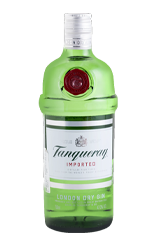
Hendrick`s Gin - 700 ml
₹ 5100.00
Tom & Mew London Dry Gin - 700 ml
₹ 2075.00
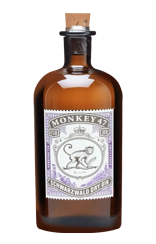
Monkey 47 Schwarzwald Dry Gin - 500 ml
₹ 5000.00
Whisky Products You Might Like
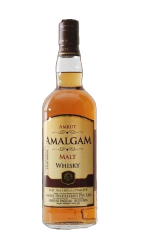
Amrut Amalgam Malt Whisky - 750 ml
₹ 3800.00
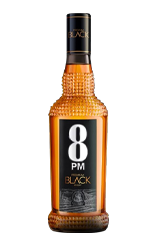
8 Pm Premium Black Whisky - 750 ml
₹ 620.00
Latest Updates
-
 5 Lessons Endurance Sports Teach You About Success in Life and Work
 -
 Lovlina Borgohain Guarantees India's First CWG 2026 Medal — A Look at Her Journey So Far
 -
 Panthenol: The Underrated Multitasking Hero Your Haircare Routine Is Missing
 -
 Sharvari Becomes Daniel Wellington's New Face In A Rs 97K MISHO Co-ord
 -
 Who Is Mrs Beast? Meet Thea Booysen, the Woman Who Married the World's Most Popular YouTuber
 Continue with Google