




 Click it and Unblock the Notifications


Latest Updates
-
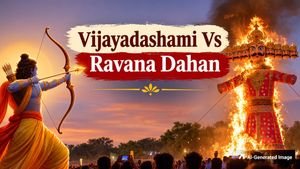 Dussehra 2026: The Difference Between Vijayadashami And Ravana Dahan
 -
 Veteran Musician Deva Dies At 75: Life And Legacy Of Thenisai Thendral
 -
 Navratri Fasting Diet: How To Stay Energised And Full Through The Day
 -
 Kavya Maran Wedding In Greece? Date, Venue, and What Is Confirmed
 -
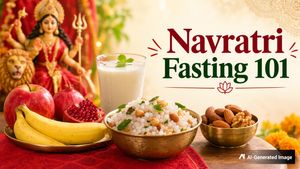 Navratri Fasting 101: What To Eat, What To Skip, And How To Avoid Acidity And Headaches
 -
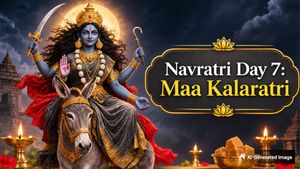 Navratri Day 7: Maa Kalaratri Puja, Colour, Rituals And Significance
 -
 Office To Dandiya Nights: One Quick-Change Outfit Formula For Navratri 2026
 -
 As ‘Ranabaali’ Hits Theatres, A Look At Rashmika Mandanna’s ₹1.31 Lakh Ivory Saree For Pre-Release Promotions
 -
 Durga Puja Pandals Mumbai 2026: 7 Stunning Celebrations To Explore From Matunga To Juhu
 -
 World Spine Day 2026: Is Your Phone Habit Causing Neck Pain? What To Know About Tech Neck


Monsoon Magic in India: 7 Vibrant Festivals That Turn Rain into Celebration Across States

India is a land of seasons, and every season here is celebrated with its own cultural flair. But monsoon-a time of renewal, romance, harvest, and divine energy-holds a special place. Across different states, communities celebrate the arrival of rains with festivals that blend spirituality, nature, folklore, and joy.

Let's take you on a cultural ride through India's 7 most fascinating monsoon festivals - each one unique in its ritual and region.
1. Teej - Rajasthan, Bihar And Uttar Pradesh
Month: July-August (Shravan)
Teej is the festival of swings, mehndi, and monsoon romance celebrated mainly by married women for the well-being of their husbands. Women dress in green, apply henna, sing folk songs, and enjoy swings tied to trees welcoming the rain with color and rhythm.
- In Jaipur, Gangaur Teej is celebrated with grand processions.
- According to Bihar Tourism, over 25,000 tourists attend Patna's Teej Mahotsav annually.
Fun Fact: Teej songs have been passed down generations and are considered oral archives of women's emotions during monsoon.
2. Nehru Trophy Boat Race - Kerala
Month: August
Held in the scenic backwaters of Alleppey, this race is not just a sport, it's a cultural storm on water. Over 100 feet long snake boats, each with 100 rowers, race through the monsoon-fed waters to live beats and roaring chants.
- Attracts over 1.5 lakh spectators every year.
- The race is held on the Punnamada Lake, making it one of the largest water festivals globally.
3. Gugga Naumi - Haryana & Punjab
Month: August-September

Celebrated in parts of Haryana and Punjab, Gugga Naumi blends Hindu and folk traditions, honoring Gugga Pir, a folk deity believed to protect against snake bites. During the monsoon, snake sightings increase, and so does devotion.
- Devotees perform rituals using snake burrows and turmeric.
- Children sing Gugga bhajans as clouds roll in, believing the Pir calms stormy weather.
4. Aadi Perukku - Tamil Nadu
Month: July-August

Celebrated on the 18th day of Aadi (Tamil month), this festival honors water bodies and their significance in agriculture. Women offer flowers, rice, and turmeric to rivers, praying for prosperity and rain-fed abundance.
- Celebrated primarily along the Cauvery River.
- Symbolizes Tamil Nadu's deep agrarian traditions and water reverence.
Did You Know? Aadi Perukku is considered the perfect day for starting new ventures and marriages.
5. Sawan Mela - Varanasi & North India
Month: July-August

Every Monday of 'Sawan', Varanasi and parts of North India witness massive Shiva processions. Devotees carry Ganga Jal barefoot for miles, dressed in orange, dancing and chanting.
- Varanasi alone sees over 5 lakh pilgrims during this month.
- Local shops, fairs, and special Shiva rituals bloom around ghats and temples.
Fact Check: Sawan Mondays are considered especially auspicious for unmarried women praying for ideal husbands.
6. Harela - Uttarakhand
Month: July
A green festival in the truest sense, Harela marks the onset of sowing season. Families plant saplings, worship soil, and distribute home-grown sprouts as blessings.
- Schools and communities plant thousands of trees in a single day.
- Traditional songs thank nature for life and rain.
Harela means "Day of Green" and reflects Uttarakhand's mountain culture and sustainability.
7. Behdienkhlam - Meghalaya
Month: July

This unique Khasi festival is one of the few that blends monsoon rituals with warding off evil spirits. Huge, decorated wooden structures called "Rots" are carried through flooded fields by men, followed by drum beats and rain dances.
- Held in Jowai town, the event ends with a symbolic football match in the mud.
- It's a vibrant fusion of faith, fertility, and fight against disease.
What Makes Monsoon Festivals Special In India?
- Cultural Diversity: Each state uses rain as a symbol of fertility, romance, or divine favor but interprets it differently.
- Community Bonding: Villages and cities unite through rituals, fairs, and meals during monsoon festivals.
- Nature Worship: Rivers, soil, and rain are central deities in many festivals.
- Tourism Impact: States like Kerala and Rajasthan see up to 20-30% spike in monsoon tourism during festival periods.
Monsoon Is An Emotion
India doesn't just endure the rains - it celebrates them. From boat races in Kerala to green festivals in the hills of Uttarakhand, monsoon becomes more than just weather - it becomes an emotion, a ritual, and a reason to unite. So the next time clouds gather and thunder rolls, remember - somewhere in India, drums are beating, colors are flying, and people are dancing in divine gratitude for the rain.

 Continue with Google

