




 Click it and Unblock the Notifications


Latest Updates
-
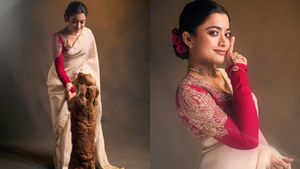 As ‘Ranabaali’ Hits Theatres, A Look At Rashmika Mandanna’s ₹1.31 Lakh Ivory Saree For Pre-Release Promotions
 -
 Durga Puja Pandals Mumbai 2026: 7 Stunning Celebrations To Explore From Matunga To Juhu
 -
 World Spine Day 2026: Is Your Phone Habit Causing Neck Pain? What To Know About Tech Neck
 -
 Breast Cancer Awareness Month 2026: Expert Explains Why Family History Isn't the Only Risk
 -
 Skanda Sashti 2026: Significance, Vrat Rituals And How Devotees Observe The Day
 -
 Saraswati Avahan 2026: Significance, Shubh Muhurat, Rituals And Puja Vidhi
 -
 Navratri Day 6: Maa Katyayani Puja, Colour, Rituals, And Significance
 -
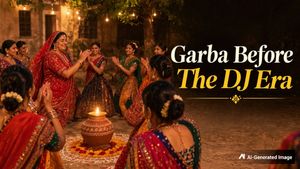 Garba Before The DJ Era: What Navratri Looked Like In Earlier Times
 -
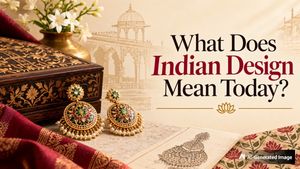 What Does Indian Design Mean Today? A Creative Director Explains
 -
 Why Your Vision Can Feel Different In Bright And Dim Rooms, Expert Explains


Khalistani Roots To Punjabi Drama: From 1980s Separatism To Diljit Dosanjh's Casting Storm

Punjab has long been a region of deep cultural pride and political turbulence. The Khalistan movement, which demanded a sovereign Sikh homeland in the 1970s-80s, left a legacy of unrest, displacement, and enduring controversy. Today, that legacy intersects with the Punjabi entertainment industry-most recently in the backlash against Diljit Dosanjh for casting Pakistani actress Hania Aamir in Sardaar Ji 3.

Let's explore the historical roots and trace how nationalist sensitivities continue to surface in pop culture.
1. A Brief History of the Khalistan Movement
The Khalistan movement emerged from the post-Partition Punjabi Suba demand of the 1950s and '60s. By the 1970s, political demands morphed into separatism. Spearheaded by Jarnail Singh Bhindranwale and supported by militant groups like Khalistan Commando Force and Bhindranwale Tiger Force, the movement escalated into violent insurgency through the 1980s.
Key flashpoints:
- Operation Blue Star (1984): Indian Army entered the Golden Temple in Amritsar to remove militants-500+ were killed
- Assassination of Indira Gandhi (Oct 1984): Led to anti-Sikh riots leaving thousands dead.
- Punjab insurgency (1980s-90s): Militant crackdowns significantly reduced secessionist violence by the mid-90s, but diaspora support kept the cause alive.
Though official insurgency subsided, the movement lingered among diaspora communities, resulting in events like Khalistan referendums abroad, with hundreds of thousands participating in cities like Brampton, Surrey, and San Francisco.
2. Diaspora And International Tensions
Support in countries like Canada and UK turned Khalistan into a "foreign-owned issue." In 2023-24, allegations surrounding the killing of Sikh separatist Hardeep Singh Nijjar in Canada caused diplomatic strain, leading to mutual expulsions. Nations like Canada raised concerns over Indian agents targeting overseas Sikh activists.
3. From Politics To Pop Culture: The Diljit-Hania Controversy
Fast forward to 2025 - Diljit Dosanjh, arguably Punjab's biggest cultural icon, cast Pakistani actress Hania Aamir in Sardaar Ji 3. After the Pahalgam terror attack in April, this became a recipe for backlash. Netizens called him "opportunist" and accused him of betraying patriotic values.
The Federation of Western India Cine Employees and fans urged a ban on such cross-border collaborations, even requesting that Diljit be removed from the patriotic film Border 2 to preserve its nationalistic cover. Despite the criticism, the trailer is out, and Sardaar Ji 3 is releasing internationally on June 27-but not in India.
4. Why The Public Pushback?
The outcry centers on two overlapping sensitivities:
- Cultural Nationalism: Punjab's cultural pride-both Sikh and broader Indian-remains wary of Pakistan. Especially after historical wounds like Partition and Golden Temple's militarization.
- Security Concerns: With rising militant episodes outside India, any connection to Pakistan in entertainment can be viewed through a political-security lens.
Shameful #DiljitDosanjh pic.twitter.com/4QNfXtHj7r
— RADHE ࿗ 𓃮 (@Iamradhe_p00) June 23, 2025
5. The Bigger Puzzle: Art vs National Sentiment
The Diljit-Hania row exemplifies a deeper tension:
- Artists stress creative freedom and cross-border cultural exchange.
- Nationalists and some fans fear it condones or celebrates Pakistan and undermines patriotism.
- Reddit gossip suggests the casting may have been a PR strategy, but fans remain divided over its implications.
What a shameless person @diljitdosanjh is. Time to boycott this movie.
— Arjun kapoor 🇮🇳 (@Arjunkapoor03) June 23, 2025
We should not allow this movie to be released in India. #DiljitDosanjh pic.twitter.com/E8nr9u4ztz
6. Polling Public Opinion
Public data on this storm is thin, but:
- A Times of India reader poll (over 200k votes) showed 60% expressing anger at Diljit's casting.
- India's CBFC reportedly consulted the FWICE before refusing certification-a sign of institutional resistance.
7. What It Reveals About Contemporary Punjab
This episode underlines:
- Unresolved historical trauma still shapes attitudes.
- Global diaspora dynamics influence domestic politics.
- Entertainment platforms have become arenas for national sentiment, often reflecting geopolitical tensions.
Culture Is Never Just Entertainment

From the Khalistan separatist insurgency to today's cultural flashpoints, Punjab remains a region where politics, identity, and art intertwine deeply. Diljit Dosanjh's casting choice in Sardaar Ji 3 may be a film decision-but the firestorm it ignited is a reflection of historical scars and contemporary nationalistic fervor. Whether you agree with Diljit or not, this moment highlights a larger reality: In Punjab-and indeed India-culture is never just entertainment.

 Continue with Google

