



 Click it and Unblock the Notifications



Latest Updates
-
 Why Casual Games Are Perfect for Quick Online Play
-
 World Menopause Day 2026: Theme, Significance And What Research Reveals About Menopause In India
-
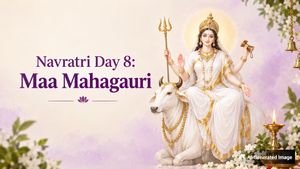 Navratri Day 8: Maa Mahagauri Puja, Colour, Rituals And Significance
-
 Dussehra 2026: The Difference Between Vijayadashami And Ravana Dahan
-
 Veteran Musician Deva Dies At 75: Life And Legacy Of Thenisai Thendral
-
 Navratri Fasting Diet: How To Stay Energised And Full Through The Day
-
 Kavya Maran Wedding In Greece? Date, Venue, and What Is Confirmed
-
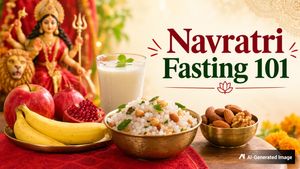 Navratri Fasting 101: What To Eat, What To Skip, And How To Avoid Acidity And Headaches
-
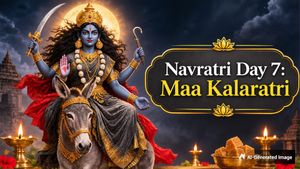 Navratri Day 7: Maa Kalaratri Puja, Colour, Rituals And Significance
-
 Office To Dandiya Nights: One Quick-Change Outfit Formula For Navratri 2026


World HIV/AIDS Day: Ancient AIDS Treatments: Did They Stand the Test of Time?

Every year, 1 December marks the commemoration of the united fight against HIV and AIDS. 'World AIDS Day' has been raising awareness of the epidemic that kills at least 1 million people every year, since 1988.
The theme of World AIDS Day 2023 is 'Let communities lead,' to highlight the impact communities have had in shaping the HIV response.

On World HIV/AIDS Day, let's take a moment to remember the progress we've made in dealing with this global health challenge. As we search for solutions, we will look at the treatments people used in the past and wondering how effective they really were.
Ancient HIV/AIDS Treatments
1. Ancient Chinese Medicine (300 BC - 200 AD)
In the annals of ancient Chinese medicine, herbal concoctions and acupuncture were often prescribed to boost the body's immune system. Ancient texts suggest a blend of herbs like astragalus and ginseng, coupled with acupuncture, aimed at restoring balance in the body's vital energy, or Qi.
2. African Traditional Medicine (Various Periods)
Across the diverse cultures of Africa, traditional healers used a variety of plant-based remedies. For instance, extracts from the African potato (Hypoxis hemerocallidea) were believed to possess immune-boosting properties. However, the effectiveness of these treatments remains largely anecdotal.

3. Ayurveda in India (Approximately 5000 BC - Present)
Ayurvedic medicine, an ancient Indian healing system, emphasises a holistic approach to health. Specific herbal formulations, like Triphala, and practices such as Panchakarma, were explored for their potential in managing HIV/AIDS symptoms. The emphasis was on strengthening the body's natural defenses.
4. European Alchemy (Medieval Period)
In medieval Europe, alchemists sought the philosopher's stone-a mythical substance believed to grant immortality. While their pursuits were more mystical than medical, these alchemists inadvertently contributed to the understanding of chemical processes, laying the groundwork for modern pharmaceuticals.

5. Native American Healing Practices (Varied Indigenous Cultures)
Native American communities employed traditional healing methods involving herbs, rituals, and spiritual practices. The emphasis was on achieving harmony between the physical and spiritual realms to promote overall well-being.
On A Final Note...
Looking back at how people dealt with HIV/AIDS in the past, it's clear they did what they could based on what they knew and believed. But we're not sure how well those old methods worked. It's important to recognise that we've made big progress in medical science since then.
Now, we're fighting HIV/AIDS with better medicines, ways to prevent it, and more people knowing about it worldwide.
Disclaimer: The information provided here is for historical and informational purposes only. The treatments discussed are not endorsed or recommended for use. Always consult with qualified medical professionals for accurate and up-to-date information on HIV/AIDS treatments.

 Continue with Google


