




 Click it and Unblock the Notifications


Latest Updates
-
 Vighnaraja Sankashti Chaturthi 2026: Know The Date, Significance, Vrat Katha And Moonrise Fasting Rituals
 -
 Taylor Swift Makes VMA History: All About Her Record-Breaking Night And Striking Red Carpet Look
 -
 Bank Holidays October 2026: Check State-Wise List Before Visiting Your Branch
 -
 October 2026 Festival Calendar: Pitru Paksha Ends, Navratri Begins, Dussehra Follows
 -
 Pitru Paksha 2026: What To Eat And Avoid, According To Astrologer Gauri Jain
 -
 Guide to Surviving Festive-Season Humidity While Hosting: An Expert Shares Tips on Choosing Fabrics
 -
 Is Your Makeup Causing Breakouts? A Dermatologist Explains
 -
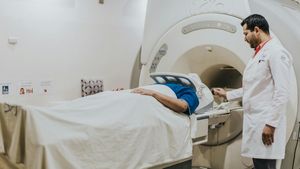 You Don't Need an MRI for Every Backache: What a Physiotherapist Looks For First
 -
 Who Is Tanya Mishra? The Model-Actress Fans Are Calling A National Crush
 -
 Happy Birthday Ranbir Kapoor: Inside 'Ramayana' Actor's ₹250 Crore Krishna Raj Home Built Around Kapoor Legacy


World Heart Day 2026: The Heart Attack That Doesn't Look Like a Heart Attack

Most of us think of the words "heart attack" and immediately conjure up a picture of a sudden, crushing pain across the centre of the chest, with breathlessness and collapse to follow. But a heart attack is not always announced with such dramatic signs.

Sometimes it can feel like indigestion, weird tiredness, nausea, back pain or just not feeling quite right. That's why some heart attacks are so dangerous: The symptoms can be confused for something minor, delaying the treatment that could save heart muscle and a life.
On this World Heart Day, which is observed on 29th September every year, we spoke to Dr Devika G, Cardiologist at HOSMAT Hospital, who explained why a heart attack does not always look like the ones seen in films, which subtle symptoms are easy to miss, and when to seek emergency care.
It may feel like heartburn or indigestion.

A burning sensation in the chest after a meal is easily attributed to acidity. But heartburn, angina, and a heart attack can sometimes feel surprisingly similar. Indigestion, nausea or discomfort in the upper abdomen can also be symptoms of a heart attack.
"The important thing is not to try to diagnose yourself by the way the discomfort feels. Consult your doctor about any unexplained or ongoing discomfort in the chest or upper body, especially if you have risk factors for heart disease," advised Dr Devika.
"The pain may not be of the chest. A heart attack can cause pain to spread beyond the chest. It can be felt in the arm, shoulder, back, neck, jaw or upper stomach. Some people may have little or no noticeable chest pain," she added.
This can be particularly confusing when someone suddenly has jaw pain, upper-back pressure or an unexplained ache in the arm and thinks it is muscular or something else.
Shortness of breath may be the first warning.

"Shortness of breath can occur with or without chest discomfort. Suddenly, a person may find it hard to climb a flight of stairs that was easy to do before, or they may be more breathless than usual while resting or find it hard to take a satisfying deep breath," said Dr Devika.
Sudden breathlessness or breathlessness accompanied by sweating, nausea, dizziness or weakness should not be dismissed as tiredness or anxiety.
Women can have less obvious symptoms.
Women can have the classic chest pain of a heart attack, but they also can have unusual fatigue, nausea, vomiting, shortness of breath, indigestion, anxiety or pain in the back, shoulder, arm or jaw.
"That doesn't mean every case of tiredness or heartburn is a heart problem. That means that strange symptoms, particularly if they are sudden, severe or combined, should not be overlooked," advocated Dr Devika.
Diabetes and age change the picture.

In people with diabetes and older adults, the symptoms of a heart attack can be less obvious. Some will have nausea, shortness of breath, dizziness or unusual weakness rather than dramatic chest pain.
"There is also a phenomenon called a silent heart attack, which has mild symptoms, unusual ones or none at all. A person may only find out later that damage to the heart has occurred," said Dr Devika.
What should you do?
The worst mistake you can make is to wait and see if the symptoms settle.
"If you develop new or unexplained chest discomfort, significant shortness of breath, sudden sweating, faintness, nausea or pain spreading to your arm, back, neck or jaw, go to the nearest emergency department immediately. A heart attack can start slowly, with mild pain or discomfort that comes and goes. So just because the pain is not dramatic doesn't mean it's not dangerous," warned Dr Devika.
Your heart attack might not be like the ones you've seen in films. Recognising the more subtle warning signs may help you catch it when it counts the most.
Disclaimer: The information provided in this article is for general informational and educational purposes only and is not intended as a substitute for professional medical advice, diagnosis, or treatment. Always seek the advice of your physician or a qualified healthcare provider with any questions you may have regarding a medical condition.

 Continue with Google

