




 Click it and Unblock the Notifications


Latest Updates
-
 Sharad Purnima 2026: Date, Significance, Timings And The Ritual Of Keeping Kheer Under Moonlight
 -
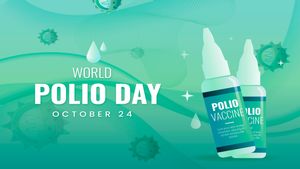 World Polio Day 2026: Date, Theme, Significance And Why It Matters
 -
 Beyond Traditional Venues: How Leisure Destinations Are Changing Festival Celebrations
 -
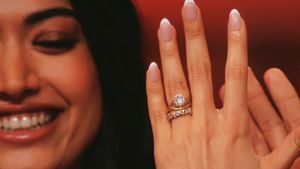 Rashmika Mandanna’s Engagement Ring Stack Features Victorian Diamond And Tiffany Sixteen Stone Band
 -
 450 Get Anti-Rabies Shots After Cow Dies: Can Rabies Spread Through Milk?
 -
 Devi, Vayu, Vamika And More: Why Modern Parents Are Rediscovering Ancient Indian Baby Names, Expert Explains
 -
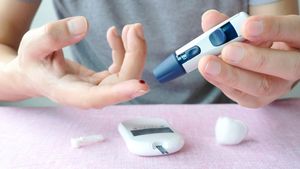 Why Blood Sugar Can Remain High Even When You're Taking Medication
 -
 Kareena Kapoor’s Sindoori Red Suit And Saif Ali Khan’s Black Ensemble Are Worth A Style Decode
 -
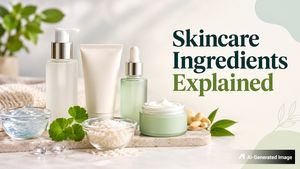 Does A Shorter Ingredient List Make Skincare Safer? An Expert Explains
 -
 Airbnb Just Banned Checkout Chores: No More Stripping Beds Or Washing Dishes


World First Aid Day 2026: Why Toothpaste On Burns And Sucking Out Snake Venom Are Both Wrong

In an emergency, it is often an instinct to do something, anything, right away. But in first aid, the wrong move can sometimes make the injury worse or delay the treatment that really matters.

Some traditional practices still go around in Indian households, like rubbing toothpaste on a burn or trying to suck the venom out of a snakebite. Knowing what not to do can be as important as knowing what to do. We spoke to Dr Pruthwil Patil, HOD and Cluster Head, Dept of Emergency Medicine, HOSMAT Hospital, who listed first-aid mistakes that can worsen things.
Burns: Forget the toothpaste, butter and ice
A burn can be a frightening thing, especially if it's a child's. A frequent mistake is to resort to home remedies such as toothpaste, butter, oil or creams.
"These do not treat the burn and may interfere with proper assessment and management. Also, ice or freezing water should not be used, as it can cause additional injury to the already damaged tissue," said Dr Patil.
If you have a thermal burn, the first step is to cool the affected area under cool running water for about 20 minutes. If it can be done safely, remove any nearby jewellery or clothing, but do not try to pull away anything that is stuck to the skin. Once cooled, the area can be loosely covered with a clean, non-fluffy dressing or cling film until medical care can be arranged.
Large or deep burns, burns to the face, hands, feet or genitals, and burns from electricity or chemicals require prompt medical evaluation.
Choking: Don't blindly jam your fingers in

"When a person is choking suddenly, people often panic and try to sweep the throat with fingers. If you can't see the object clearly, don't put your fingers in your mouth. You could shove the blockage down," warned Dr Patil.
If they can still cough effectively, get them to keep coughing.
"If they cannot speak, breathe or cough effectively, the choking is serious and requires immediate action. The current advice for first aid in adults and children over one year old is to give up to five back blows, and if these don't work, up to five abdominal thrusts. This sequence is repeated until the obstruction is removed or the person becomes unresponsive," advised Dr Patil.
First-aid training is very useful. The procedure is different for infants and pregnant women. If the person becomes unconscious, emergency help should be activated, and CPR started.
Even if the person has been successfully treated, they should be medically assessed, as injuries may have occurred even if only abdominal thrusts or chest compressions were needed.
Snakebite: Don't cut, suck or tie the limb
Snakebite is an area where myths can be especially dangerous.
Cutting the bite wound, attempting to suck out venom, applying a tight tourniquet, or using chemicals or traditional remedies can cause further injury without removing the venom. WHO specifically recommends against these methods.
"Instead, keep the person calm and as still as possible, immobilise the bitten limb and get them to a healthcare facility without delay. Take off rings, bracelets, ankle bracelets or anything tight around the affected area, as it can swell," shared Dr Patil.
Do not waste valuable time trying to catch or kill the snake. If it can be safely identified from a distance, then useful information can be passed to medical professionals, but the priority is to get treatment quickly.
In an emergency, sometimes less is more
Dr Patil concluded, "First aid is not about trying to be the doctor on the scene. It is about stopping more harm, supporting the person and getting the right medical help quickly. So maybe the best habit of first aid is a basic one. Don't reach for the nearest home remedy until you've stopped the bleeding. Knowing what not to do can make a very real difference when every second counts."
Disclaimer: The information provided in this article is for general informational and educational purposes only and is not intended as a substitute for professional medical advice, diagnosis, or treatment. Always seek the advice of your physician or a qualified healthcare provider with any questions you may have regarding a medical condition.

 Continue with Google

