




 Click it and Unblock the Notifications


Latest Updates
-
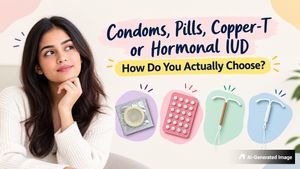 Condoms, Pills, Copper-T or Hormonal IUD: Expert Answers How Do You Actually Choose?
 -
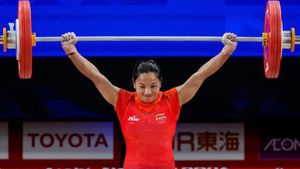 The Missing Medal: How Mirabai Chanu Finally Completed Her Collection At The Asian Games
 -
 From Corsetry To Crystals: Breaking Down Rashmika Mandanna's Vogue World Gown
 -
 Govt Warns Against Overusing Antibiotics And Painkillers: No Prescription, No Pills
 -
 72nd National Film Awards: Yami Gautam's Message For Outsiders, Mammootty And Dhanush Honoured
 -
 Ayurveda Day 2026: An Expert Explains 7 Food Habits Ayurveda Would Ask You To Rethink
 -
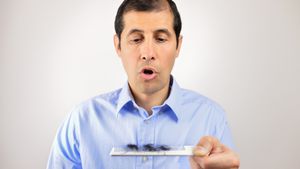 Stop Blaming the Monsoon Entirely for Your Hair Fall, Says This Dermatologist
 -
 Shakira Debuts a New Gaurav Gupta Breastplate, and This Time It's Gold and Banarasi
 -
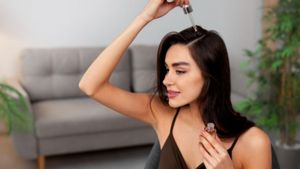 Can Hair Oils Prevent Premature Graying or Improve New Hair Growth?
 -
 Can Any Blood Group Donate Organs to Any Patient? A Transplant Expert Explains


Alcohol May Cause Less Changes To Your Personality
When you are drunk, your personality may change, but not as much as you think, a study shows.

When you are drunk, your personality may change, but not as much as you think, a study shows.
The findings revealed that people typically report substantive changes to their personality when they become intoxicated, but observers perceive less differences between their "sober" and "drunk" personalities.
"We were surprised to find such a discrepancy between drinkers' perceptions of their own alcohol-induced personalities and how observers perceived them," said Rachel Winograd, psychological scientist at the University of Missouri.

In the study, published in the journal Clinical Psychological Science, 156 participants completed a survey gauging their typical alcohol consumption and their perceptions of their own "typical sober" personality and "typical drunk" personality.
After drinking, participants reported lower levels of conscientiousness, openness to experience, and agreeableness, and they reported higher levels of extraversion and emotional stability (the inverse of neuroticism).

But, the observers noted fewer differences across the sober and intoxicated participants' personality traits.
In fact, observer ratings indicated reliable differences in only one personality factor: extraversion.
They rated the drunk participants on three facets of extraversion: gregariousness, assertiveness, and levels of activity.

According to the researchers, the higher levels of extraversion may come down to inherent differences in point of view.
"We believe both the participants and raters were both accurate and inaccurate -- the raters reliably reported what was visible to them and the participants experienced internal changes that were real to them but imperceptible to observers," Winograd explained.
With Inputs From IANS
Disclaimer: The information provided in this article is for general informational and educational purposes only and is not intended as a substitute for professional medical advice, diagnosis, or treatment. Always seek the advice of your physician or a qualified healthcare provider with any questions you may have regarding a medical condition.

 Continue with Google

